

In Bhutan's rugged Himalayan valleys, where internet access is as scarce as oxygen at the peaks, Sui Labs has engineered a bold solution for Sui offline transactions. Their December 2025 tests demonstrated how Sui objects offline can thrive without constant connectivity, using radios, drones, and compact data packets to bridge the digital divide. This isn't hype- it's a tactical strike against the connectivity bottlenecks that cripple traditional blockchains, positioning object-centric blockchain offline as the resilient backbone for real-world adoption in 2026.

Sui's approach slashes transaction sizes to the bone, sidestepping the bandwidth hogs of legacy networks. Sensors in remote outposts sign transactions on-device as low-power cryptographic wallets, then relay them physically via long-range radio or drone hops until they hit an internet gateway. Bhutan’s Druk Holdings and DHI InnoTech piloted this for sovereign wealth fund data, proving Sui Bhutan testing can secure offline data verification amid geographic isolation. Critics might dismiss it as niche, but analyze the scalability: Sui’s object model lets each asset operate independently, enabling asynchronous updates that sync seamlessly upon reconnection.
Sui Bhutan Testing Redefines Blockchain Resilience
The experiments unfolded in Bhutan's most isolated terrains, where full transactions would choke on limited bandwidth. Sui Labs compressed payloads dramatically, integrating with sensors, radios, and drones for an offline-to-online pipeline. This aligns perfectly with Bhutan's digital ambitions, turning mountains into testing grounds for extreme environments. Traditional chains like Ethereum demand persistent sync, bloating data and draining batteries- Sui flips the script with its object-centric design, where transactions target specific objects without replaying global state.

Outcomes were stark: verifiable data flowed securely despite zero internet, showcasing Sui offline transactions as viable for financial inclusion. Bhutan's sovereign fund eyed this for payments infrastructure, though some reports confuse it with Sei Network- stick to Sui's proven PoC. My take? This exposes the fragility of always-online assumptions; Sui's model anticipates disconnection as the norm, not the exception, fortifying DeFi against outages like the January 2026 mainnet hiccup that sidelined rivals for hours.
How Sui Objects Conquer Low-Connectivity Challenges
At the core lies Sui's revolutionary object model. Unlike account-based systems that bundle everything into monolithic states, Sui treats assets as standalone objects with unique IDs. Developers manipulate these offline- sign a transfer for an NFT or yield farm position without full node sync. This parallelism cranks throughput, but the real edge emerges in disconnection: objects remain valid locally until batched submission.
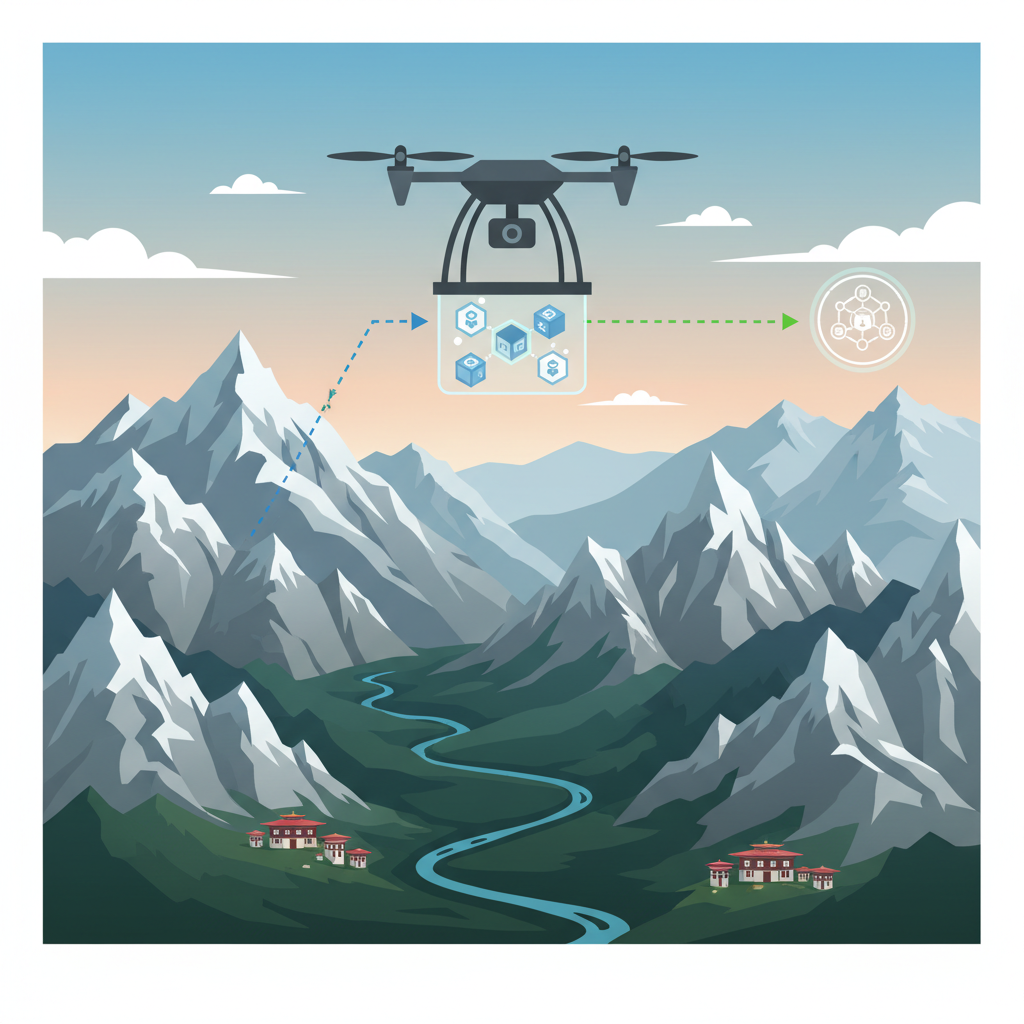
Low-power devices become potent wallets, hashing signatures with minimal compute. In Bhutan, this meant sensors logging environmental data as Sui objects, signed cryptographically, then ferried by drone to relays. Bandwidth savings hit extremes- transactions shrink to essentials, dodging the bloat of proofs or Merkle paths. Analytically, this leverages Sui's Move language for safe, composable offline ops; no reentrancy risks when objects are atomic by design.
Sui's Bhutan Breakthrough: 4 Milestones for Offline Transactions


Mechanics of Offline Signing and Relay in Action
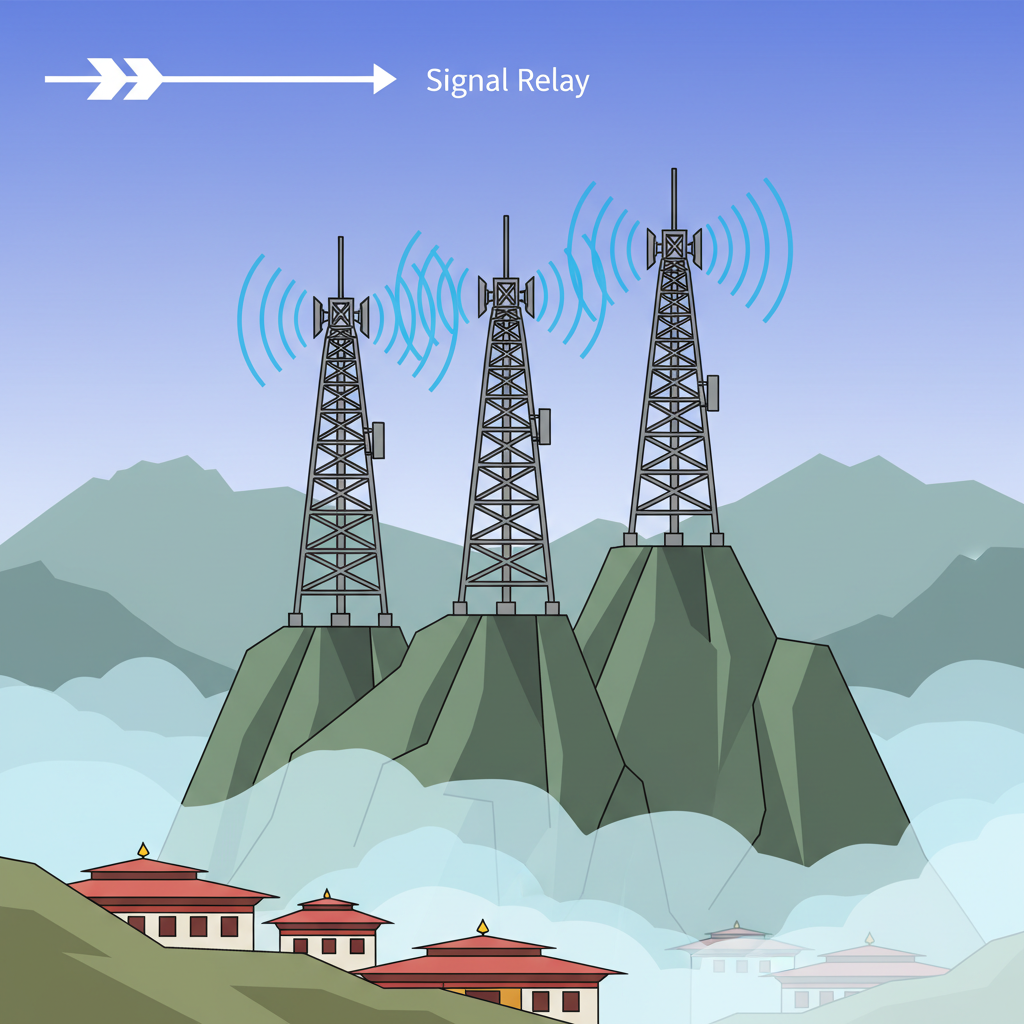
Dive deeper: a device crafts a Sui transaction intent, signs it with its private key, and serializes to a tiny envelope. No internet needed- store it locally or beam via LoRa radio to a mesh network. Drones act as mobile nodes, aggregating envelopes mid-flight for drop-off at gateways. Upon online reach, the gateway submits to Sui validators, where object versioning ensures no double-spends.
This physical relay mimics sneakernets of old but supercharged with crypto primitives. Bhutan's terrain tested extremes: signal bounce off peaks, drone endurance in thin air. Results? Zero data loss, full verifiability. For object-centric blockchain offline, it's a blueprint- gaming dApps in rural markets, supply chain sensors in deserts, or remittances in outages. Sui doesn't just tolerate latency; it weaponizes it for broader reach.
Developers stand to gain the most from this paradigm shift. Sui's SDK empowers offline transaction authoring with lightweight libraries, perfect for edge devices. Imagine a farmer in rural Bhutan signing a crop yield token transfer via a solar-powered sensor- no cloud dependency, just pure object-centric efficiency.
**Offline Sui Object Transfer Blueprint**
**Decipher Sui's offline prowess**: In 2026's low-connectivity battlegrounds, Sui objects demand **unbreakable transfer mechanics**. Dissect this Move function—**analytical precision** for signing without submission.
```move
use sui::object::{Self, UID};
use sui::tx_context::{Self, TxContext};
use sui::transfer;
use std::option;

/// Boldly enables offline object transfer preparation in Sui Move.
/// Analyze: Builds intent-ready structure for client-side signing.
public fun offline_transfer(
    obj: Object,
    recipient: address,
    ctx: &mut TxContext
): vector {
    // Simulate transaction: transfer object
    let tx = vector [];
    // Placeholder: Construct ProgrammableTransactionBlock
    // tx.append(transfer::to(recipient, obj));
    // Critical: Serialize for offline intent signing
    /*
        let intent_msg = sign::new_intent_message(tx);
        sign::sign(&keypair, intent_msg);
    */
    tx  // Return serialized bytes for signing
}
```
**Intent serialization dissected**: The stubbed signing logic **ruthlessly optimizes** for air-gapped environments. Serialize, sign locally, submit later—**Sui's analytical edge** crushes connectivity constraints.
Building Offline-Capable dApps: A Code-Centric Blueprint
To harness Sui objects offline, start with the Move language's object-centric primitives. Transactions target specific IDs, serializing to under 1KB envelopes ripe for radio transmission. Gateways handle final submission, leveraging Sui's consensus for instant finality. This modularity crushes account models, where every action drags the full balance history. In practice, batch multiple offline intents into a single online sponsor transaction- cost-effective for high-volume sensors.
Bhutan tests validated this: environmental data minted as Sui objects, signed amid blackouts, relayed via drone swarms navigating 4,000-meter passes. No forks, no disputes; object locks prevent conflicts natively. Analytically, this slashes finality times in reconnect scenarios from minutes to seconds, outpacing optimistic rollups that falter offline. For aggressive DeFi plays, picture options vaults yielding on Sui amid volatility- sign collateral locks remotely, sync yields later. My Series 65 lens spots the hybrid alpha: pair these with derivatives for leveraged exposure in disconnected markets.
Real-World Deployments Beyond Bhutan
Sui Bhutan testing sets the template, but scale it globally. Maritime shipping logs cargo as objects via satellite bursts; disaster zones batch aid distributions offline. Gaming dApps thrive too- rural players mint in-game assets on handheld validators, trade peer-to-peer until uplink. Object-centric design shines here: each sword or skin is autonomous, enabling frictionless P2P without central servers.
Contrast the January 2026 Sui outage- a mere six-hour blip that barely dented offline pipelines. Rivals froze entirely, underscoring always-online fragility. Sui's model anticipates black swans, distributing finality across objects rather than chains. Bhutan’s Druk Holdings now pilots sovereign payments, tokenizing remittances for migrant workers in valleys. This isn't incremental; it's exponential reach for Web3, folding unbanked billions into DeFi orbits.
Critics harp on centralization risks in drone relays, but Sui's cryptography neutralizes that- signatures verify independently, relays are dumb couriers. Bandwidth math seals it: full Ethereum txs balloon to 200KB; Sui's distill to essentials, fitting LoRa's 250bps pipes. For 2026, expect SDK updates embedding radio protocols natively, spawning ecosystems around object-centric blockchain offline.
Strategic Plays: Leveraging Sui Offline for Yield and Growth
As a derivatives veteran, I see untapped leverage. Fuse offline Sui objects with options strategies: farmers hedge crop futures via signed intents, relayed post-harvest. Yields compound uninterrupted, objects accruing interest locally via programmable logic. Gaming outfits deploy object-based economies in emerging markets- think battle passes minted offline, traded at village hubs.
Bold prediction: by mid-2026, Sui offline transactions power 20% of emerging market DeFi TVL, dwarfing legacy chains. Bhutan proves the physics; now economics demand replication. Developers, audit those object IDs religiously- versioning is your moat against replays. Sui doesn't chase moonshots; it engineers inevitability, turning connectivity deserts into yield oases. The object model isn't just scalable; it's survivable, priming blockchain for the messy reality of 2026 and beyond.




No comments yet. Be the first to share your thoughts!