

In the ever-evolving blockchain arena, Sui's object-centric architecture stands as a beacon for developers eyeing the next wave of decentralized innovation. With SUI trading at $0.9731, up $0.0551 over the last 24 hours, this Layer-1 powerhouse demonstrates how architectural ingenuity fuels real market momentum. Traditional blockchains choke on sequential processing, but Sui flips the script by treating every asset as a sovereign object, enabling parallel transactions that scale effortlessly into global DeFi cycles.
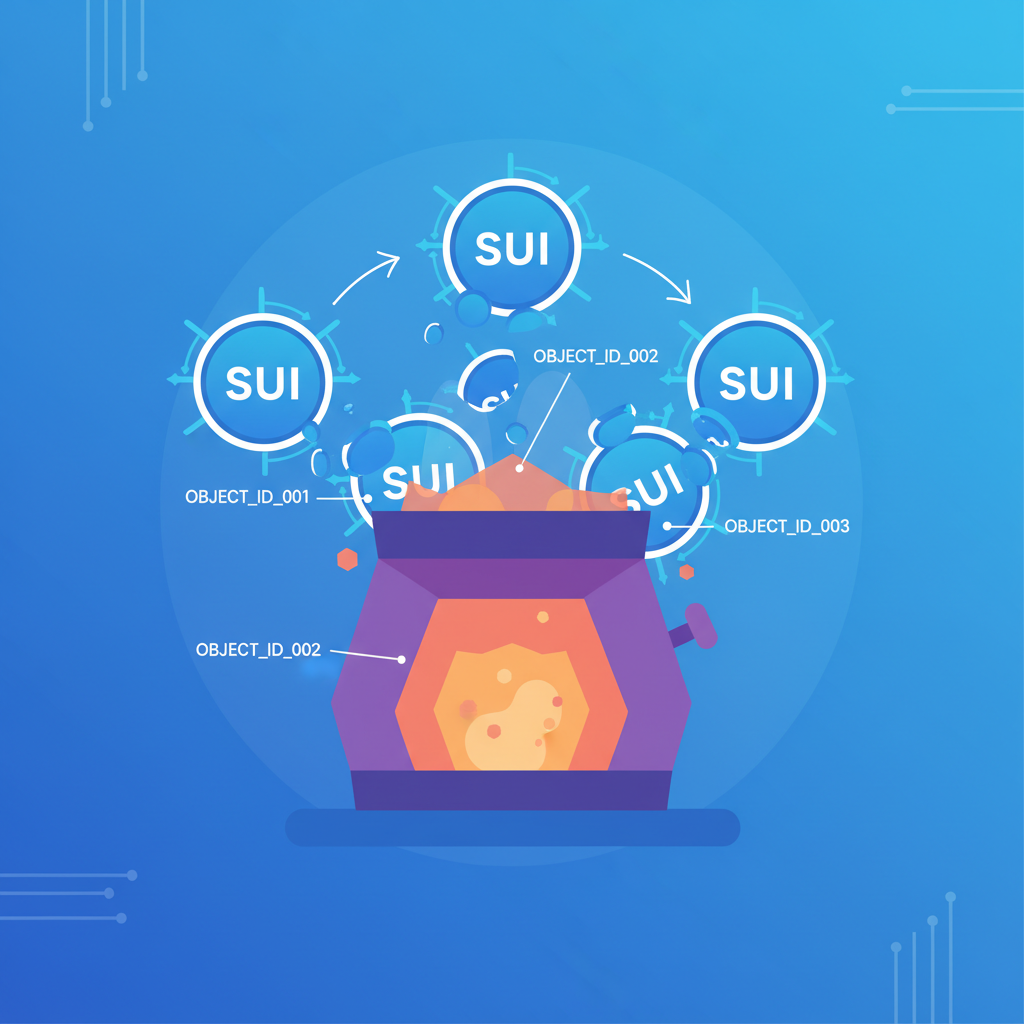
Sui's model redefines data ownership. Each on-chain entity-whether a token, NFT, or smart contract-is an independent object with its own unique ID and ownership rules. This eliminates the bottlenecks of account-based systems, where every transaction jostles for global consensus. Instead, Sui objects parallel execution shines: transactions touching distinct objects fly through validation simultaneously, slashing latency and costs while boosting throughput to unprecedented levels.
Sui Objects: Foundations of an Object-Centric Blockchain
Picture this: in Sui, digital assets aren't mere balances in a shared ledger; they're autonomous objects governed by the Move language. Each object carries its type, version, and ownership flag, allowing fine-grained control. Developers craft these using Sui Move, where objects become first-class citizens. This object-centric blockchain Sui approach means no more waiting in line for unrelated operations. A user minting an NFT while another swaps tokens? Both execute in parallel, no interference.
The magic lies in ownership models. Pure objects are fully owned by one address; shared objects invite multi-party access but serialize on conflicts. Immutable objects lock data forever, perfect for oracles or historical records. This granularity powers Sui's causal ordering: validators process transactions based on object dependencies, not a rigid global clock. Result? Massive scale, as seen in Sui's ability to handle high-volume submissions without crumbling under pressure.
Parallel Transactions: The Scalability Revolution Developers Crave
Developers, imagine deploying dApps where transaction speed matches Web2 responsiveness. Sui's sui objects parallel execution delivers exactly that. Unlike Solana's Sealevel, which parallelizes within versioned accounts but still contends with global ordering for shared state, Sui's object model deems most transactions independent by design. No object overlap? Instant parallelism. Conflicts? Serialized elegantly via object versioning.
This isn't theory; it's battle-tested. Validators dissect incoming transactions, grouping them by affected objects. Independent clusters race ahead concurrently, yielding sub-second finality for simple ops. For complex DeFi, where trades cascade across protocols, this means composability without congestion. As macro waves lift crypto tides, Sui positions developers to ride surges in user adoption, processing millions of tx/s in testnets already pointing to mainnet dominance.
Contrast with legacy chains: Ethereum's account model forces sequential EVM runs, inflating gas wars. Sui sidesteps this entirely. Programmable Transaction Blocks (PTBs) amplify the effect, bundling ops into atomic units that leverage this parallelism. More on PTBs next, but first, grasp how this architecture correlates with economic trends: low fees at $0.9731 SUI price invite retail floods, scaling seamlessly as volumes spike.
Programmable Transaction Blocks (PTBs): Crafting Atomic Workflows
Enter Sui programmable transaction blocks, the developer toolkit transforming ad-hoc tx into orchestrated symphonies. PTBs are sequences of Move commands-program transfer_object, make_move_vec, call function-that execute atomically. Submit one block; watch it invoke public functions across any Sui package. Deploy a contract, mint tokens, update state-all in a single, efficient tx.
Why visionary? PTBs cut multi-tx roundtrips, slashing latency and fees. The PTB Builder, a visual gem, lets devs simulate before shipping, bridging code warriors and product minds. For a sui ptbs tutorial mindset: start with sui client ptb, add commands like transfer_object for SUI sends, or pure Move calls for custom logic. Independence reigns; PTBs touching solo objects parallelize effortlessly.
Sui (SUI) Price Prediction 2027-2032
Forecasting growth from $0.9731 (2026 baseline) driven by object-centric architecture, parallel transactions, and PTB adoption
| Year | Minimum Price | Average Price | Maximum Price | YoY % Change (Avg from Prior) |
|---|---|---|---|---|
| 2027 | $1.20 | $2.50 | $5.00 | +157% |
| 2028 | $1.80 | $4.00 | $8.00 | +60% |
| 2029 | $2.50 | $6.00 | $12.00 | +50% |
| 2030 | $3.50 | $9.00 | $18.00 | +50% |
| 2031 | $5.00 | $13.00 | $25.00 | +44% |
| 2032 | $7.00 | $18.00 | $35.00 | +38% |
Price Prediction Summary
Sui (SUI) shows strong long-term potential due to its scalable object-centric model enabling parallel execution and PTBs for efficient development. Predictions reflect bullish adoption scenarios amid market cycles, with average prices potentially 18x from 2026 baseline by 2032, while min/max account for bearish corrections and competition.
Key Factors Affecting Sui Price
- Widespread adoption of object-centric data model for parallel transaction processing
- Programmable Transaction Blocks (PTBs) enhancing developer productivity and complex dApp workflows
- Crypto market cycles, including post-halving bull runs
- Regulatory developments favoring scalable L1 blockchains
- Technological upgrades and ecosystem growth vs. competitors like Solana
- Increased TVL and real-world use cases in DeFi, gaming, and NFTs
- Macroeconomic factors and institutional investment in high-throughput chains
Disclaimer: Cryptocurrency price predictions are speculative and based on current market analysis. Actual prices may vary significantly due to market volatility, regulatory changes, and other factors. Always do your own research before making investment decisions.
In practice, PTBs enable everyday feats: batch token airdrops, DeFi vaults with nested swaps, even DAO proposals executing on quorum. As Sui's object-centric data model matures, PTBs evolve into the glue for high-performance apps, ensuring your projects thrive amid blockchain's scalability wars.
Mastering PTBs unlocks Sui's full potential, positioning developers at the vanguard of object-centric blockchain Sui innovation. With transactions parallelizing by default, your dApps handle real-world loads-think viral NFT drops or flash loan cascades-without the Solana-style outages that plague shared-state rivals. At $0.9731, SUI's modest 24-hour gain of and $0.0551 signals quiet accumulation, mirroring how Sui's architecture absorbs volume spikes without fee explosions.
Sui PTBs Tutorial: Hands-On for Move Masters
Dive into sui ptbs tutorial territory with the Sui CLI, your command-line forge for transaction alchemy. PTBs shine in scripting multi-step ops: split a coin into shares, transfer to recipients, invoke a DEX swap-all atomic, all parallel where possible. This isn't just efficiency; it's strategic composability, letting you chain protocols without trust assumptions crumbling under race conditions.
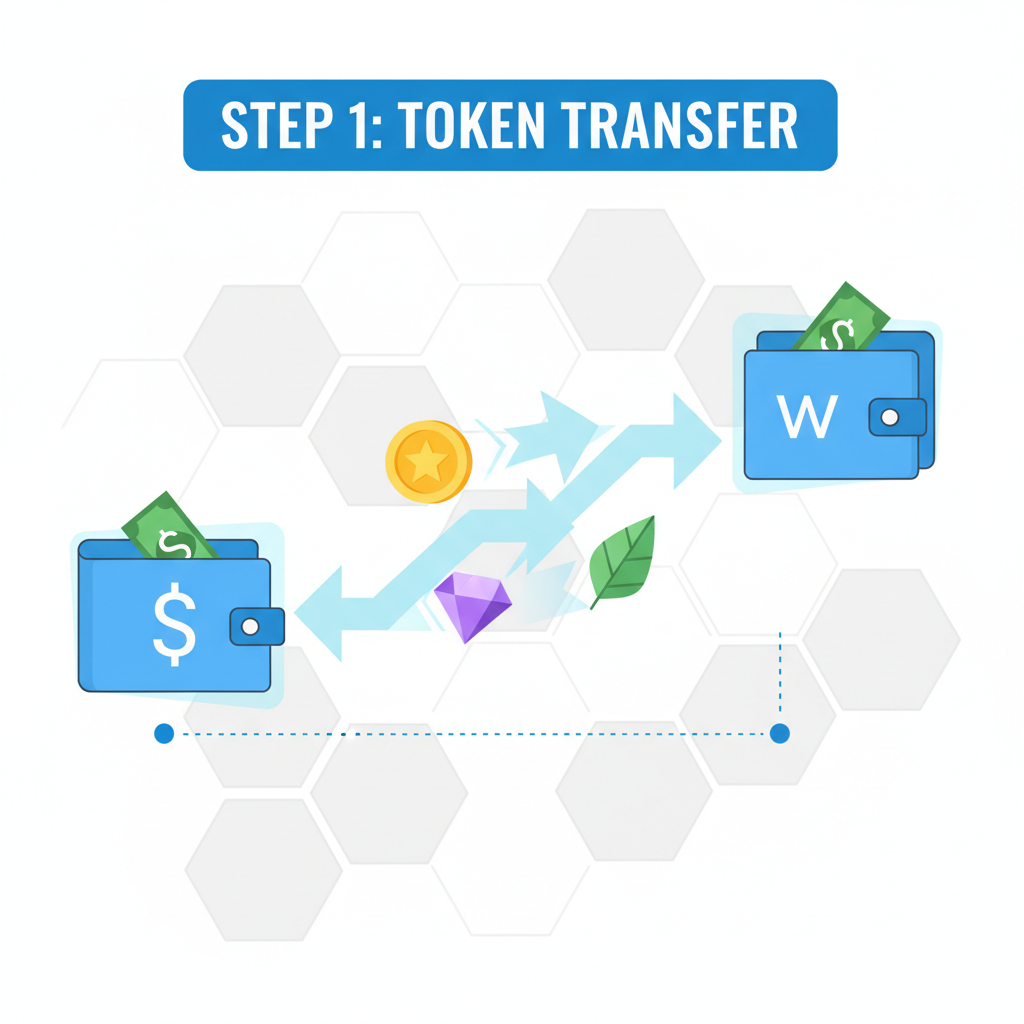
Master Sui PTBs: Strategically Build, Simulate & Execute Token Transfers and Swaps via CLI

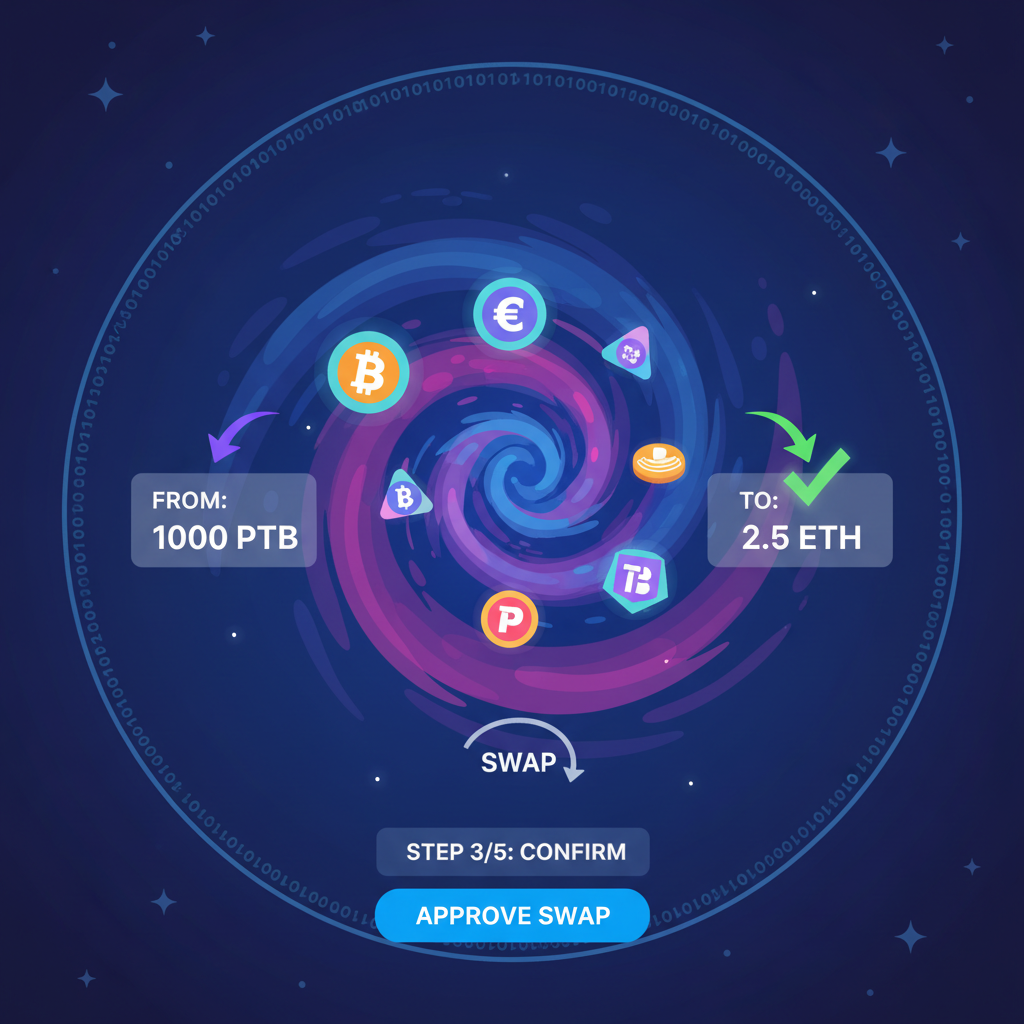
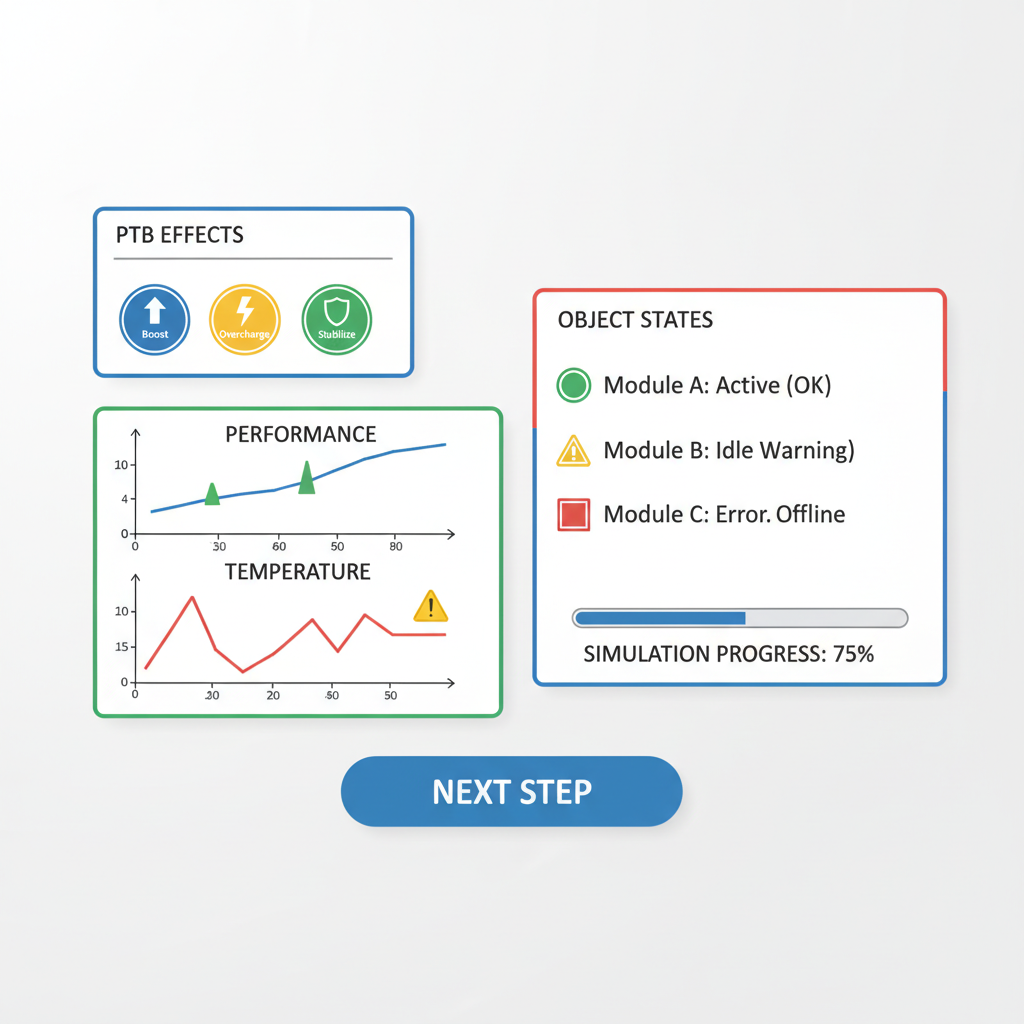
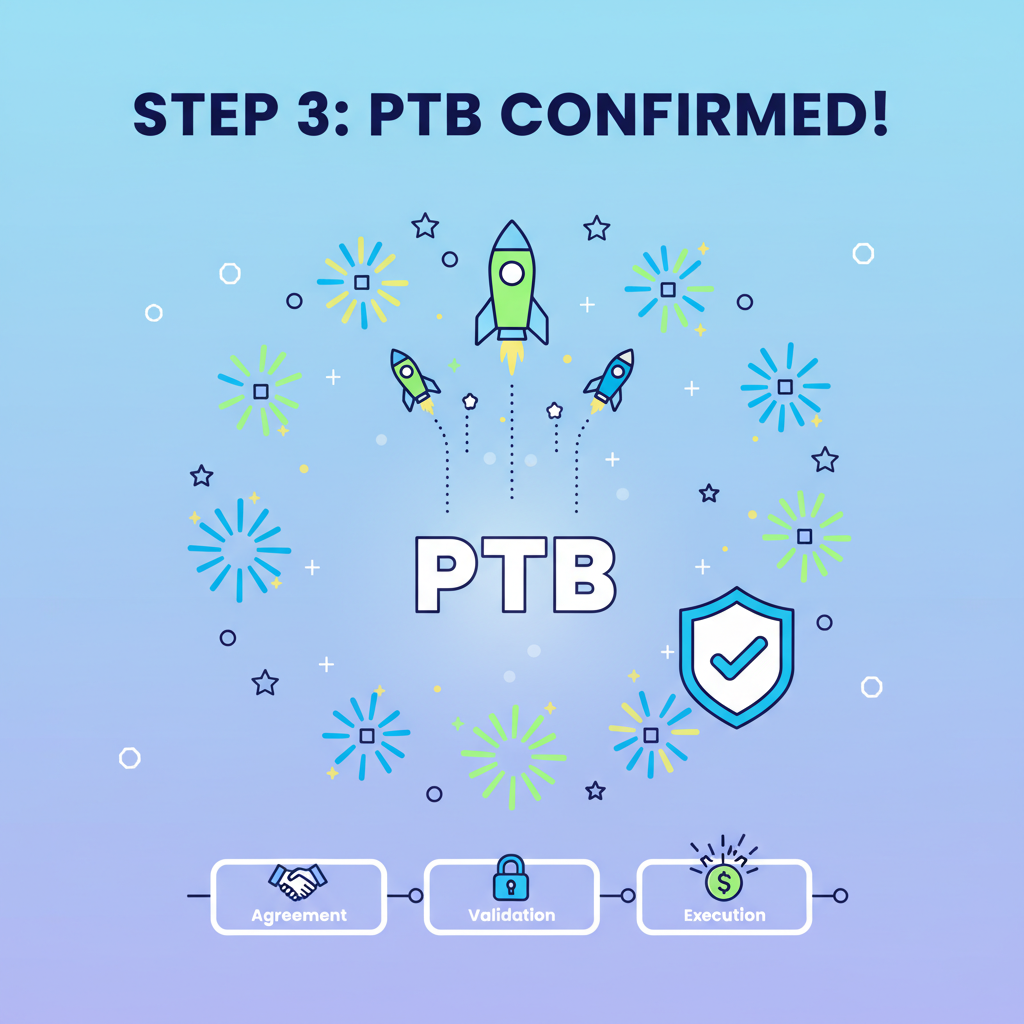
Once scripted, PTBs interact seamlessly with Sui's object runtime. Validators replay your block deterministically, versioning objects to dodge double-spends. For shared objects like liquidity pools, Sui serializes access via sequence numbers, preserving causal order without global locks. Developers gain god-mode over workflows, crafting experiences that feel native-app fluid amid blockchain's inherent delays.
Consider a DeFi primitive: a leveraged yield farm. Traditional chains balk at the tx sprawl; Sui bundles deposit, borrow, stake into one PTB. Objects flow like rivers-independent streams merging only at confluences. This sui move language objects synergy elevates Move from safety-first language to scalability superpower, where every module exports public entrypoints ripe for PTB orchestration.
PTB Mastery: Forging Shared Objects, SUI Transfers, and Swaps in Parallel Harmony
Envision orchestrating blockchain operations with surgical precision: birth a shared object to fuel communal interactions, transfer SUI with effortless liquidity, and invoke a swap to catalyze decentralized exchange—all within a single, parallel-optimized PTB. This strategic sequence unlocks Sui's object-centric paradigm, enabling unprecedented throughput and composability.
sui client ptb

# Acquire gas object
ptb> gas 0x2

# Create and share a new object (assuming a move call to create it first)
ptb> obj 0x3::shared_obj::create
ptb> make-shared $last_result

# Transfer SUI to a recipient
ptb> transfer-sui 0x1234567890abcdef1234567890abcdef1234567890abcdef1234567890abcdef 1000000000

# Call a swap function on a DEX module
ptb> call 0xabcdef1234567890abcdef1234567890abcdef1234567890abcdef1234567890::dex::swap 0xcoin_a 1000000000 0xcoin_b

# Validate before execution
ptb> dry-run

# Execute the visionary transaction
ptb> sign-and-execute
By wielding these PTB commands, developers transcend sequential bottlenecks, pioneering a visionary era of concurrent execution where transactions scale boundlessly, empowering next-generation DeFi, gaming, and beyond on Sui's revolutionary architecture.
Developer Edge: Scaling dApps in Sui's Object Ecosystem
Armed with PTBs, envision dApps that scale with user intent, not chain limits. Gaming economies mint loot boxes in parallel; socialFi platforms airdrop badges batch-style; RWAs tokenize assets with immutable wrappers. Sui's model anticipates macro shifts-retail onboarding surges, institutional DeFi inflows-correlating architecture with tides that lift valuations. At $0.9731, SUI hovers near breakout territory, its 24-hour low of $0.9088 already a memory as parallel execution draws builders fleeing congested L1s.
Tools amplify this edge. The PTB Builder visualizes command graphs, simulating gas and outcomes pre-deploy. Integrate with wallets like Suiet for seamless UX; tap Testnet for stress-testing at scale. Move Analyzer audits your objects for ownership pitfalls, ensuring parallelism doesn't breed exploits. This ecosystem maturity lets solo devs punch above Ethereum collectives, deploying production-grade infra that hums under load.
Sui's causal ordering merits a deeper nod: transactions declare object reads/writes upfront, enabling validators to bucket them optimally. No object writes overlap? Pure parallelism. Shared reads? Still concurrent. Writes collide? Queue by version. This nuanced ordering outpaces Solana's account versioning, which serializes more aggressively on hot accounts. Result: Sui's mainnet routinely laps competitors in tx/s, priming for the DeFi supercycles ahead.
For Web3 architects, Sui reorients paradigms. Forget account nonce wars; embrace object IDs as universal keys. Programmable effects like upgradeable objects future-proof contracts, adapting to economic vectors without forks. As global adoption swells-forex parallels show liquidity waves favoring low-friction venues-Sui's throughput becomes your moat. Developers scripting PTBs today architect tomorrow's unicorns, riding macro waves that carry blockchain tides to new horizons.
Sui's object-centric ascent isn't hype; it's engineered inevitability. With PTBs as your conductor's baton, orchestrate symphonies of scale that legacy ledgers can only applaud from afar. Stake your claim in this $0.9731 ecosystem, where every parallel tx etches your edge into the ledger of winners.



No comments yet. Be the first to share your thoughts!