

Sui's object-centric model redefines how developers construct decentralized applications, unlocking parallelism that traditional blockchains struggle to match. Imagine transactions zipping through independently, each tied to unique objects rather than clashing in a single account queue. This sui objects tutorial dives into that power, guiding you to build high-throughput dApps on Sui's foundation.
At its core, every asset on Sui - from coins and NFTs to smart contract states - manifests as a distinct object. Each carries a globally unique ID, version number, owner details, and type definition. This granular approach contrasts sharply with account-based chains, where balances lump everything together, forcing sequential processing. Sui objects, programmed via the Move language, empower developers to craft assets that behave predictably and securely.
Sui Objects Fundamentals: IDs, Ownership, and Types
Grasp this: Sui objects aren't abstract; they're concrete entities with identities. A coin might be Object ID: 0xabc. . . , owned by your address, version 5, typed as Coin and lt;SUI and gt;. Simple transactions on owned objects skip consensus entirely, finalizing in milliseconds. Shared objects, like a DEX pool, demand coordination via Narwhal and Bullshark, but even those scale better through object isolation.
Sui's object-centric data model drives scalability by allowing non-overlapping transactions to execute in parallel.
This design shines in real-world dApps. Picture a gaming ecosystem: each player's inventory as separate objects processes trades instantly, without bottlenecking the chain. As SUI hovers at $0.9624 - reflecting a 24-hour dip of $0.0416 from highs near $1.01 - builders eye this architecture for resilient, performant apps amid market flux.
Object-Centric vs. Account-Based: Why Sui Wins on Parallelism
Traditional chains like Ethereum rely on accounts with mutable balances, serializing every interaction. Sui flips the script with object-centric architecture sui, where objects are immutable unless explicitly mutated. Non-conflicting ops - say, transferring your NFT while someone else mints theirs - run concurrently, slashing latency and boosting sui blockchain scalability.
Move, Sui's language, enforces this rigorously. Resources can't be duplicated or discarded accidentally, borrowing concepts from Rust for safety. Entry functions take object references directly, no global storage hacks needed. This setup fosters sui parallel execution, ideal for high-volume apps like DeFi protocols or social platforms.
Move Language Essentials for Sui Object Manipulation
Diving into code, Move modules define object structures. A basic asset module might declare:
- Structs for object fields, like value and metadata.
- Capabilities controlling mutations.
- Entry functions as transaction hooks.
SuiMove adapts original Move for objects: dynamic fields for flexibility, package upgrades for evolution. To create an object, publish a module and call its init function. Transactions then reference objects by ID, enabling precise, parallel ops.
Consider a parallel dApp: users stake tokens across farms simultaneously. Each farm object processes independently if unshared, yielding sub-second confirmations. This isn't hype; it's engineered for build dapps sui objects, outpacing Rust-on-Solana in safety while rivaling its speed.
Next, we'll craft your first object-centric module, but first, internalize how ownership packs - single-owner for speed, shared-object for collaboration - dictate your dApp's flow.
Ownership models in Sui dictate execution paths with surgical precision. Single-owner objects, controlled by one address, enable blazing-fast bypass of consensus, perfect for personal wallets or inventory items. Shared objects, accessible by multiple parties, route through consensus for safety, yet Sui's object isolation minimizes drag. Mastering this duality lets you architect dApps that hum with sui parallel execution, balancing speed and coordination.
Ownership Deep Dive: Single vs. Shared for Optimal dApp Design
Single-owner objects shine in user-centric flows. Transfer a coin? No consensus needed; it's yours alone. This yields millisecond finality, crucial for gaming trades or NFT flips where latency kills engagement. Shared objects suit communal logic, like liquidity pools where multiple users interact. Sui sequences these safely via object versioning, preventing double-spends without global locks.
Advisory note: Prioritize single-owner for 80% of your objects to maximize sui blockchain scalability. Reserve shared for true multiparty needs. This strategy, drawn from years optimizing parallel systems, future-proofs your builds against chain congestion.
Master Sui Objects: Build, Publish & Transfer Custom Modules in Move
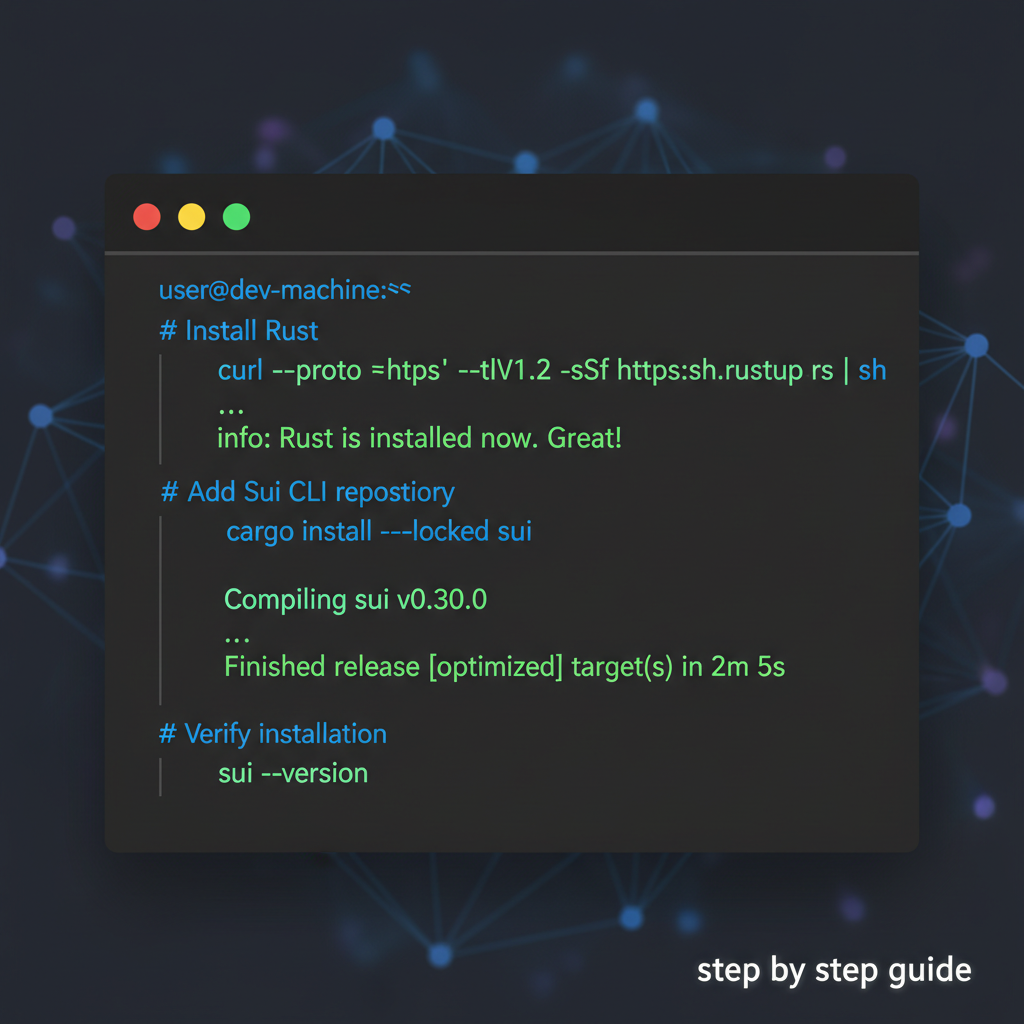
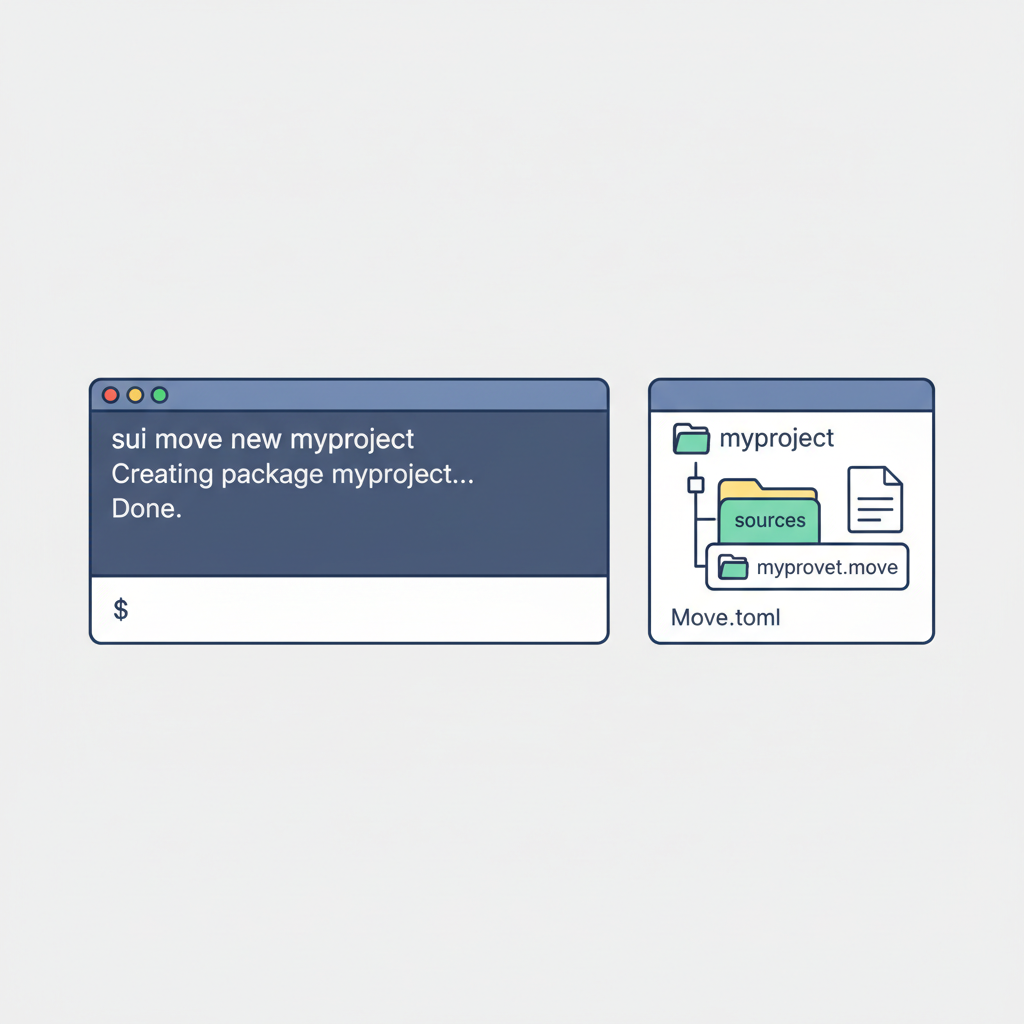
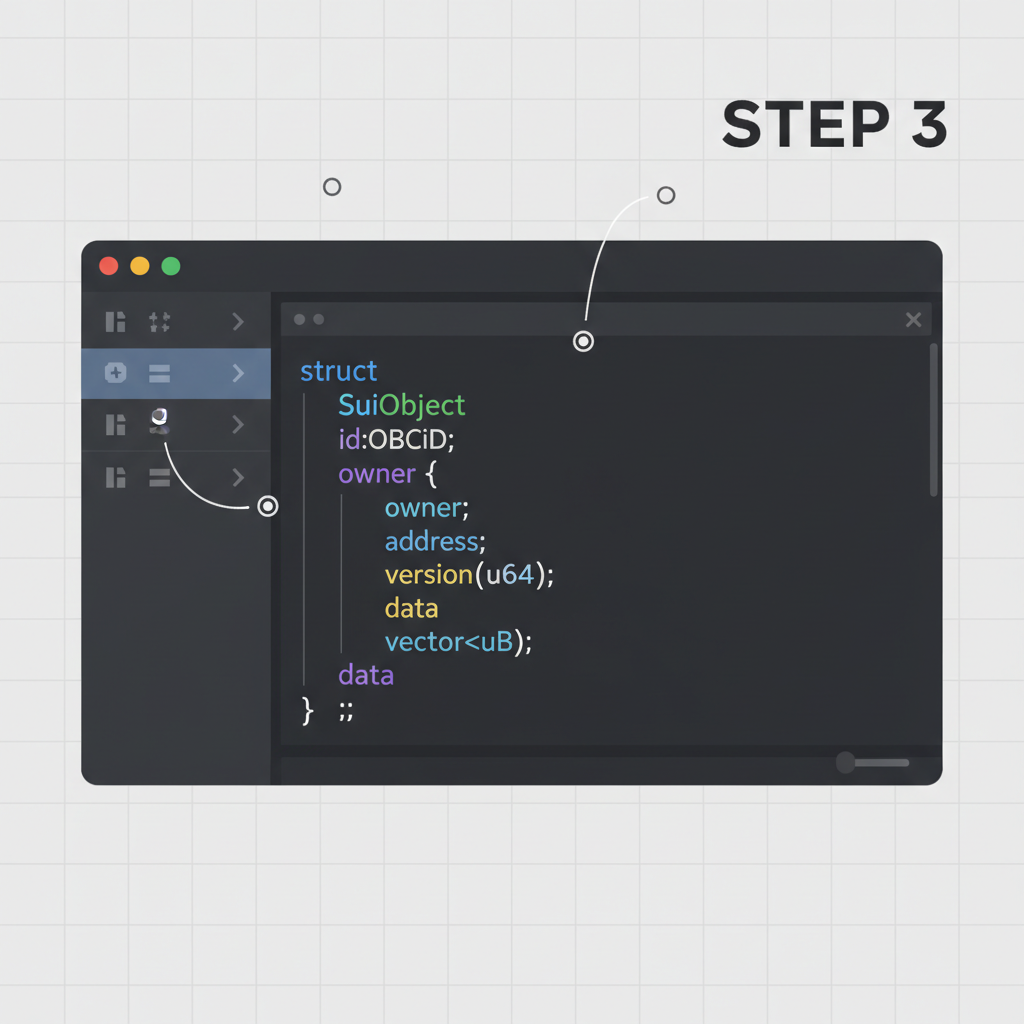
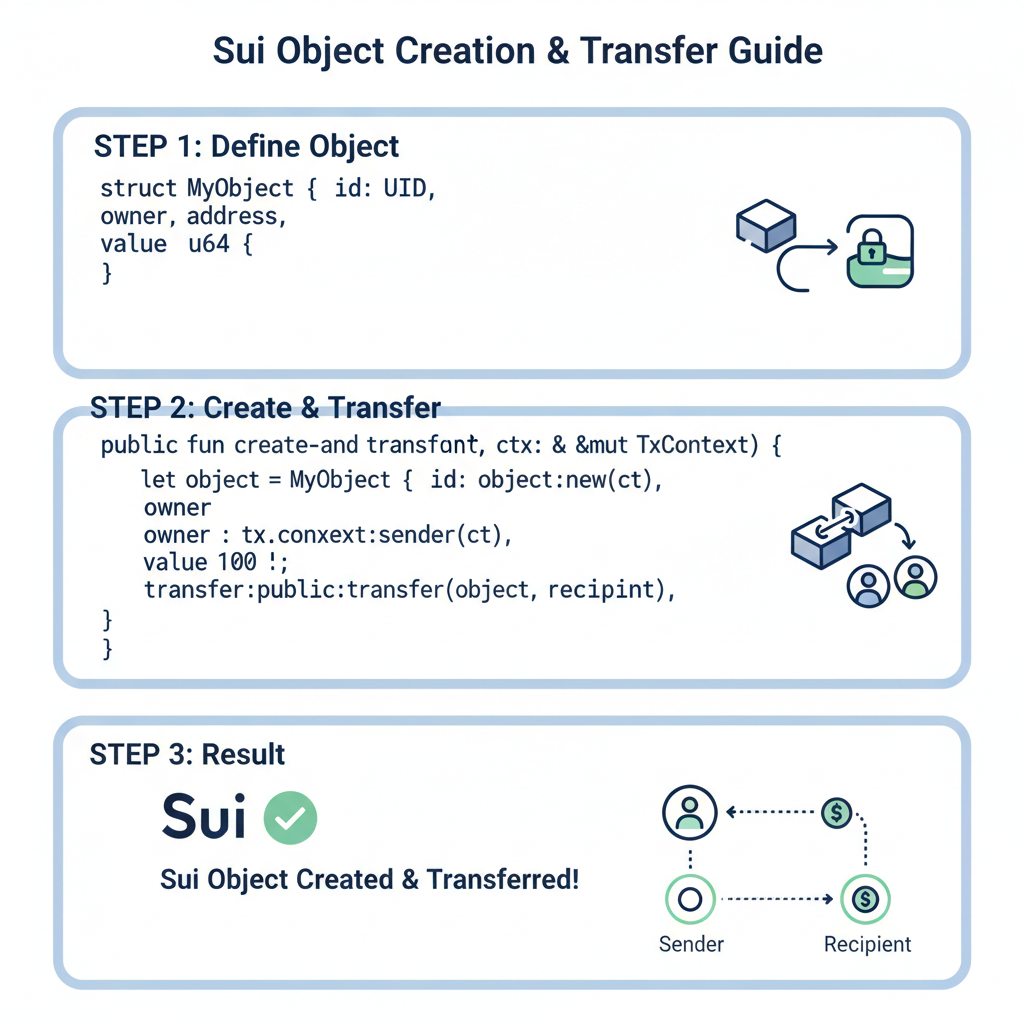
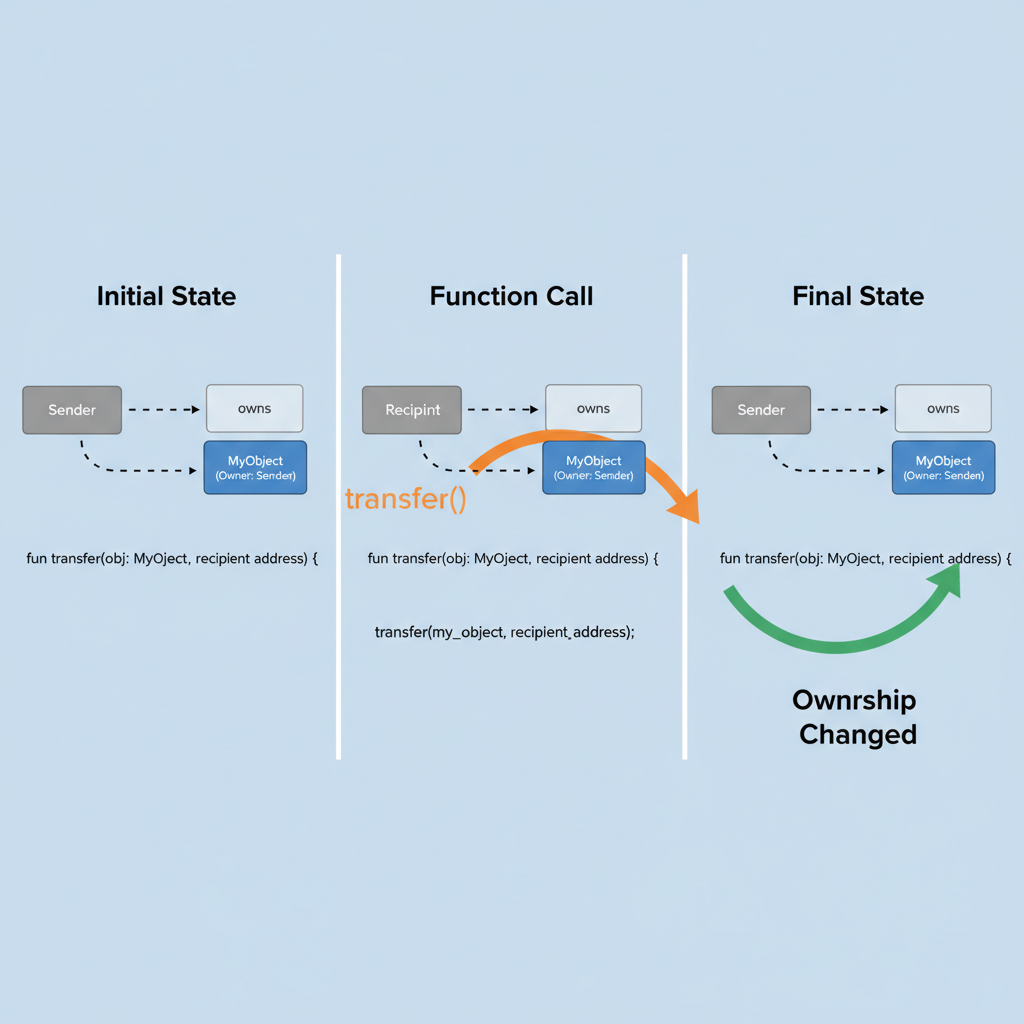
With ownership clear, let's build. Craft a module for a 'Hero' object in a fantasy game dApp. Each hero - stats, level, owned singly - trades parallelly across players, no bottlenecks.
Hands-On: Coding a Parallel Game Asset Module
Start in Sui's Move environment. Define the Hero struct as a keyless resource for flexibility. Embed dynamic fields for upgrades. Entry functions handle mint, transfer, level-up - all object-referenced for parallelism.
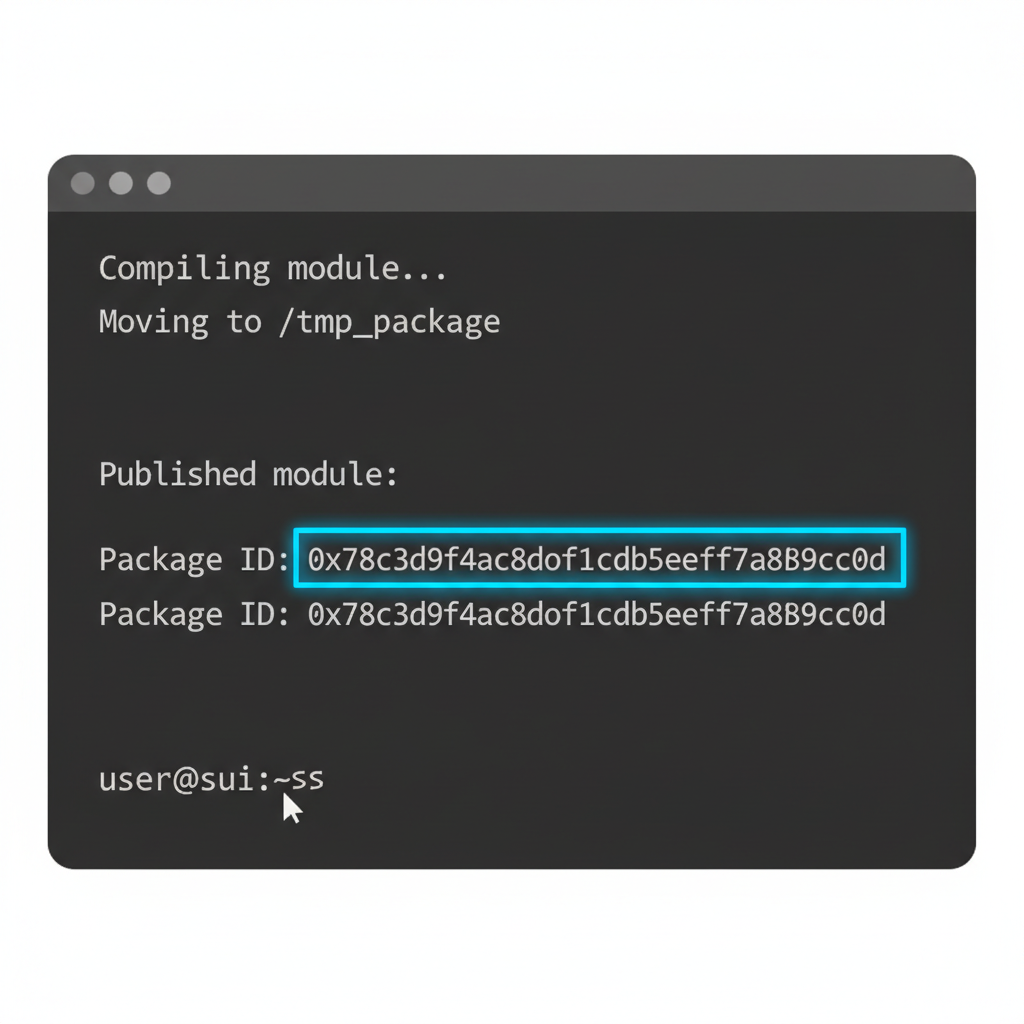
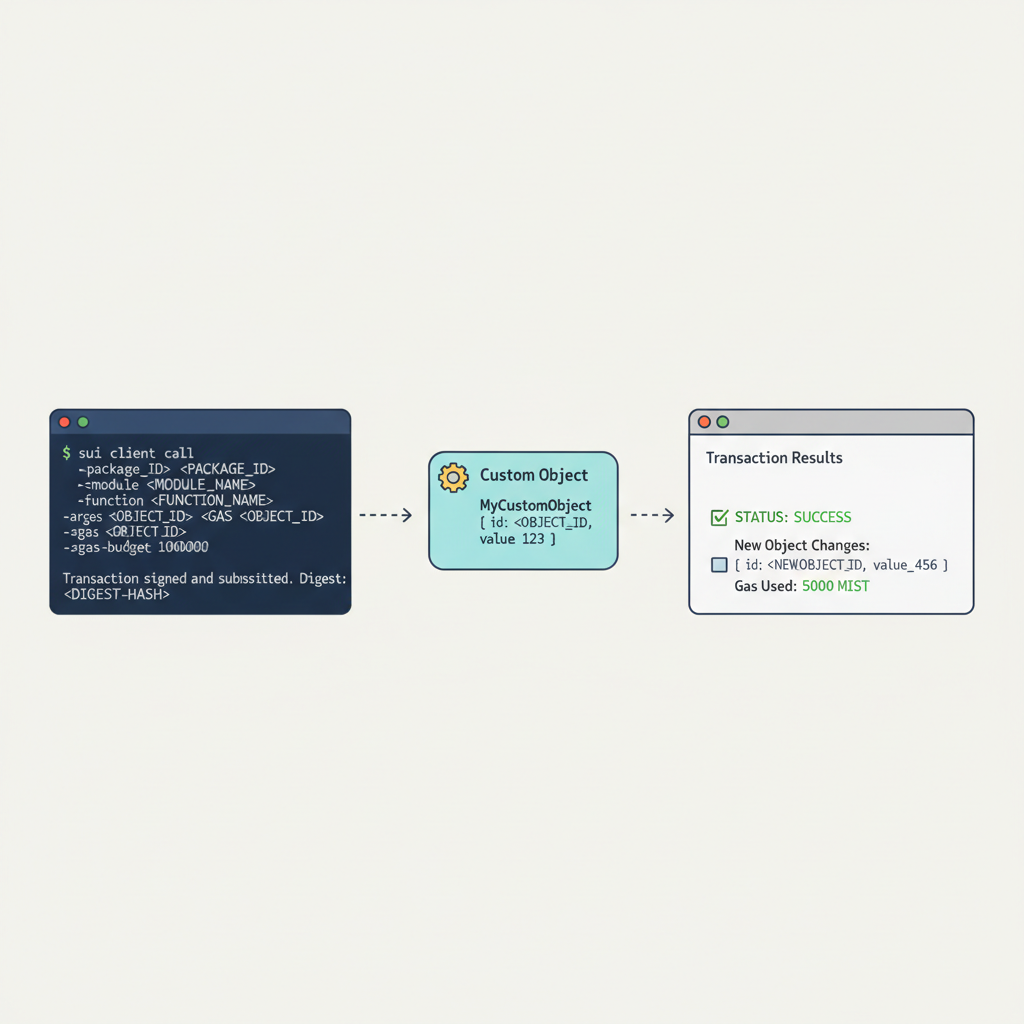
sui client publish. Transactions reference your hero's ID: hero_id: 0x123. . . . Mint heroes for users; they transfer instantly. Scale to thousands: each op parallelizes if objects differ. Parallelism manifests here. Player A levels hero1, B trades hero2 - concurrent execution. Contrast with account models: all queued. For DeFi, mirror this with per-user vaults as objects, staking in parallel across farms.
Sui's adaptability extends to packages. Upgrade modules without forking objects, a rarity preserving state integrity. As SUI trades at $0.9624, down $0.0416 over 24 hours from $1.01 peaks to $0.9533 lows, this resilience mirrors the chain's design - steady amid volatility, rewarding patient builders.
Real-World Parallel dApps: From Games to DeFi on Sui Objects
GameFi thrives: inventories as object constellations process loot swaps globally simultaneous. DeFi? Perp DEXes batch orders per pool object, yet user margins update independently. SocialFi platforms mint profile objects singly, federating feeds via shared hubs.
Security elevates: Move's linear types ban reentrancy natively, flash loans safer sans callbacks. Compared to Solana's Rust, Sui's sui move language objects offer compiler-enforced ownership, fewer exploits.
| Model | Sui Objects | Account-Based |
|---|---|---|
| Execution | Parallel | Sequential |
| Latency | ms (owned) | secs |
| Scalability | Object-isolated | Global queue |
This table underscores why object-centric architecture sui dominates high-TPS visions. I've allocated portfolios leveraging such infra; the throughput edge compounds returns in volatile markets.
Testing? Sui Testnet emulates mainnet parallelism. Deploy, hammer with parallel txs via SDK. Metrics: 100k and TPS potential, sub-second finals. Pitfalls? Mismanage shared objects, risk sequence fails - always simulate.
For production build dapps sui objects, integrate SuiKit or TS SDK. Wallets like Suiet expose object lists seamlessly. Ecosystem tools mature rapidly, easing onboarding versus nascent rivals.
Embrace Sui objects to sidestep scalability traps plaguing legacy chains. Your dApps, engineered for parallelism, will capture value as adoption surges - much like strategic positions weathering dips to $0.9624. Experiment boldly; the model rewards foresight.




No comments yet. Be the first to share your thoughts!