Sui Objects for Composable DeFi: Object-Centric Design Principles on Sui Blockchain
In the evolving DeFi landscape, Sui’s object-centric architecture stands out by treating assets and states as distinct, globally addressable sui objects defi entities. This model, powering protocols amid SUI’s current price of $0.9286 after a 24-hour dip of -0.0273%, unlocks unprecedented composability. Unlike account-based chains that bundle states into monolithic accounts, Sui’s approach enables parallel processing, slashing latency for high-frequency trades and fostering seamless integrations across liquidity pools.

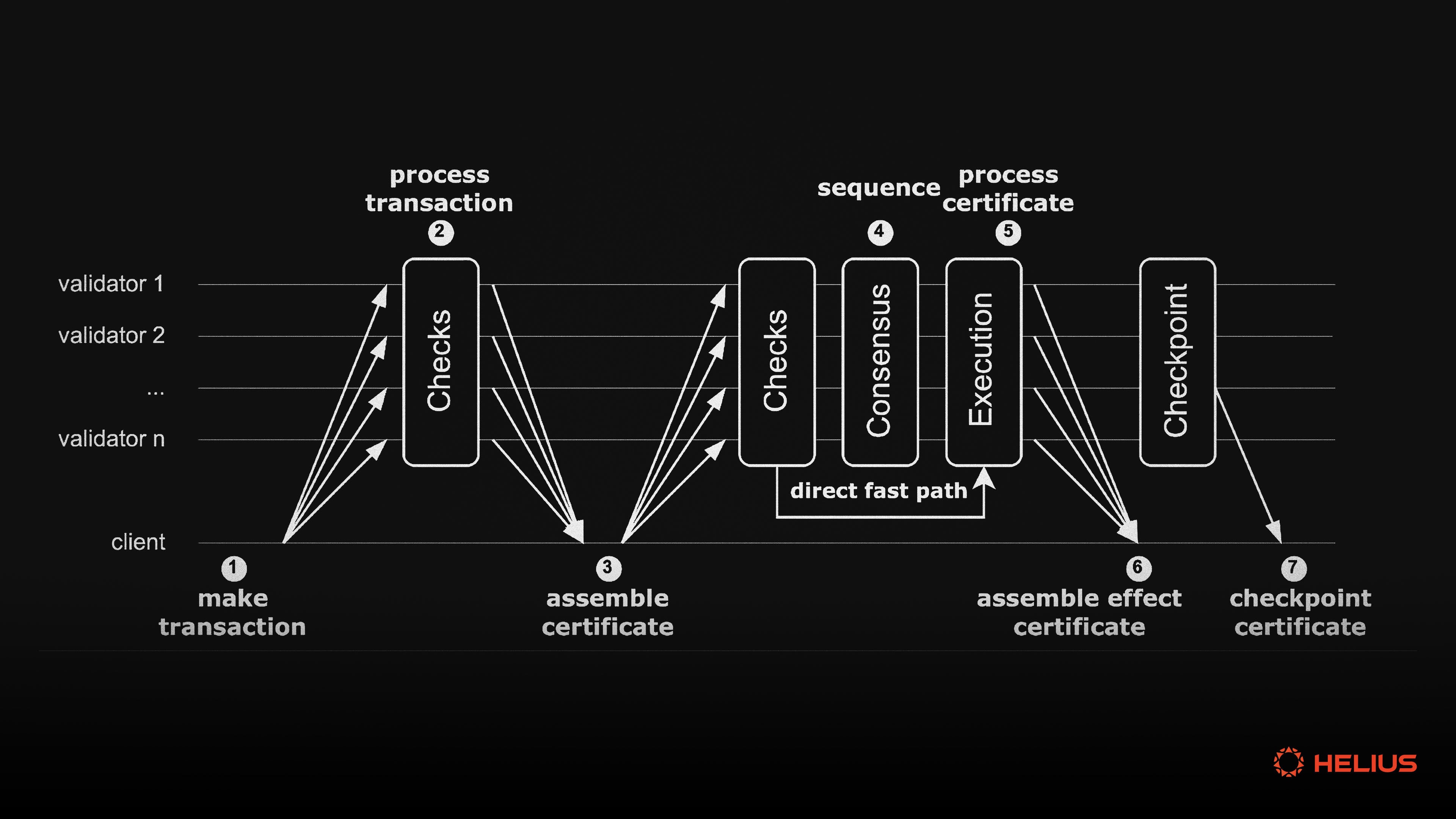
Sui’s design draws from the Move programming language, which enforces resource safety and rich composability. Every object-centric defi sui is a strongly typed struct with a unique ID and version, evolving through a directed acyclic graph (DAG) of states. This granularity allows developers to build self-contained modules, like those in DeepBook Protocol, where orders and positions are individual objects ripe for atomic swaps.
Sui’s Ownership Model: The Foundation of Secure Composability
Central to Sui objects is a clear ownership paradigm. Objects fall into categories: owned (tied to a single address), shared (accessible by multiple parties under rules), or immutable (read-only post-creation). This model dictates transaction inclusion rights, preventing common vulnerabilities like reentrancy attacks inherent in account-based systems.
Every object on Sui has a clear ownership model, and that model determines who can include the object in a transaction.
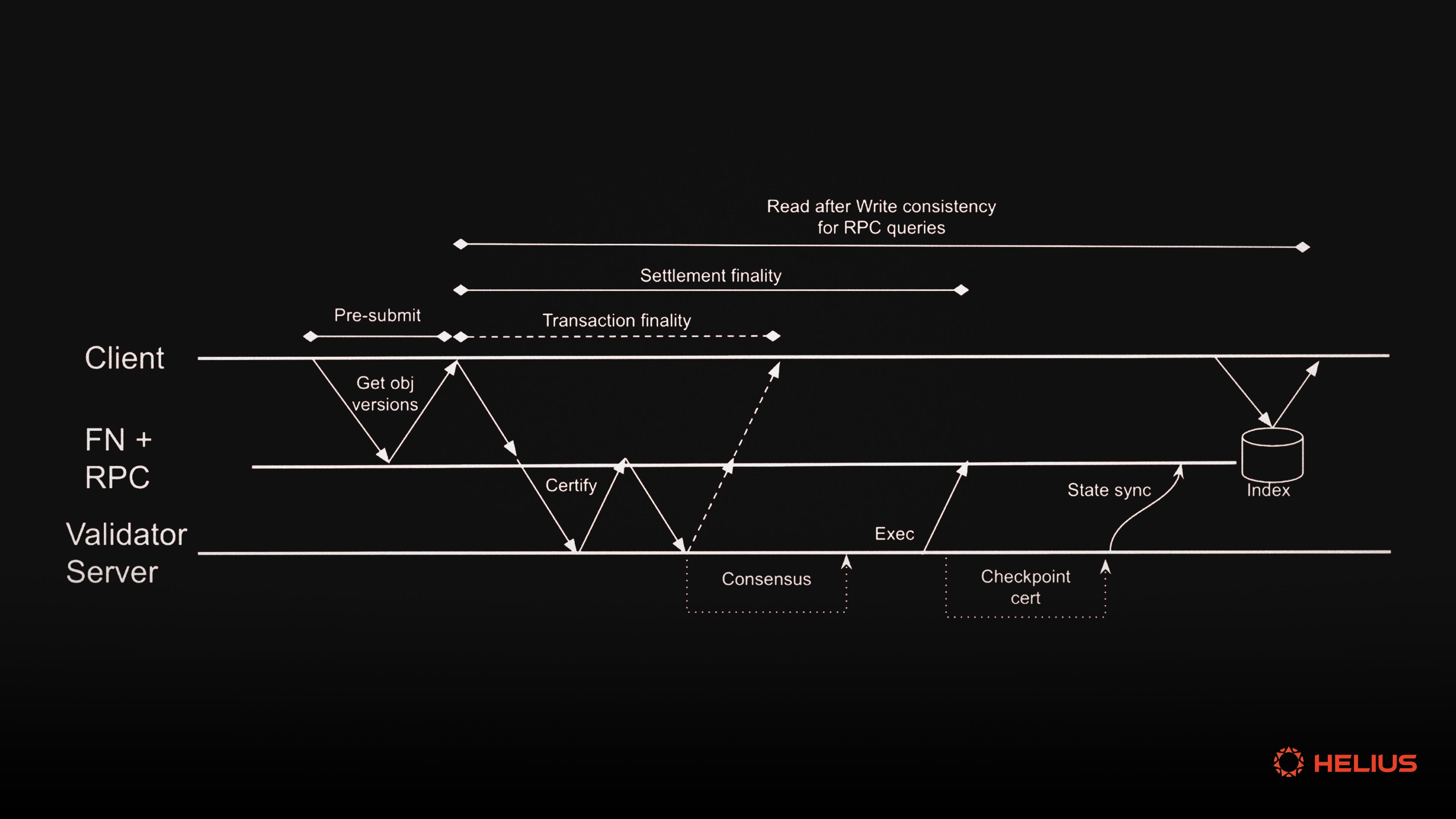
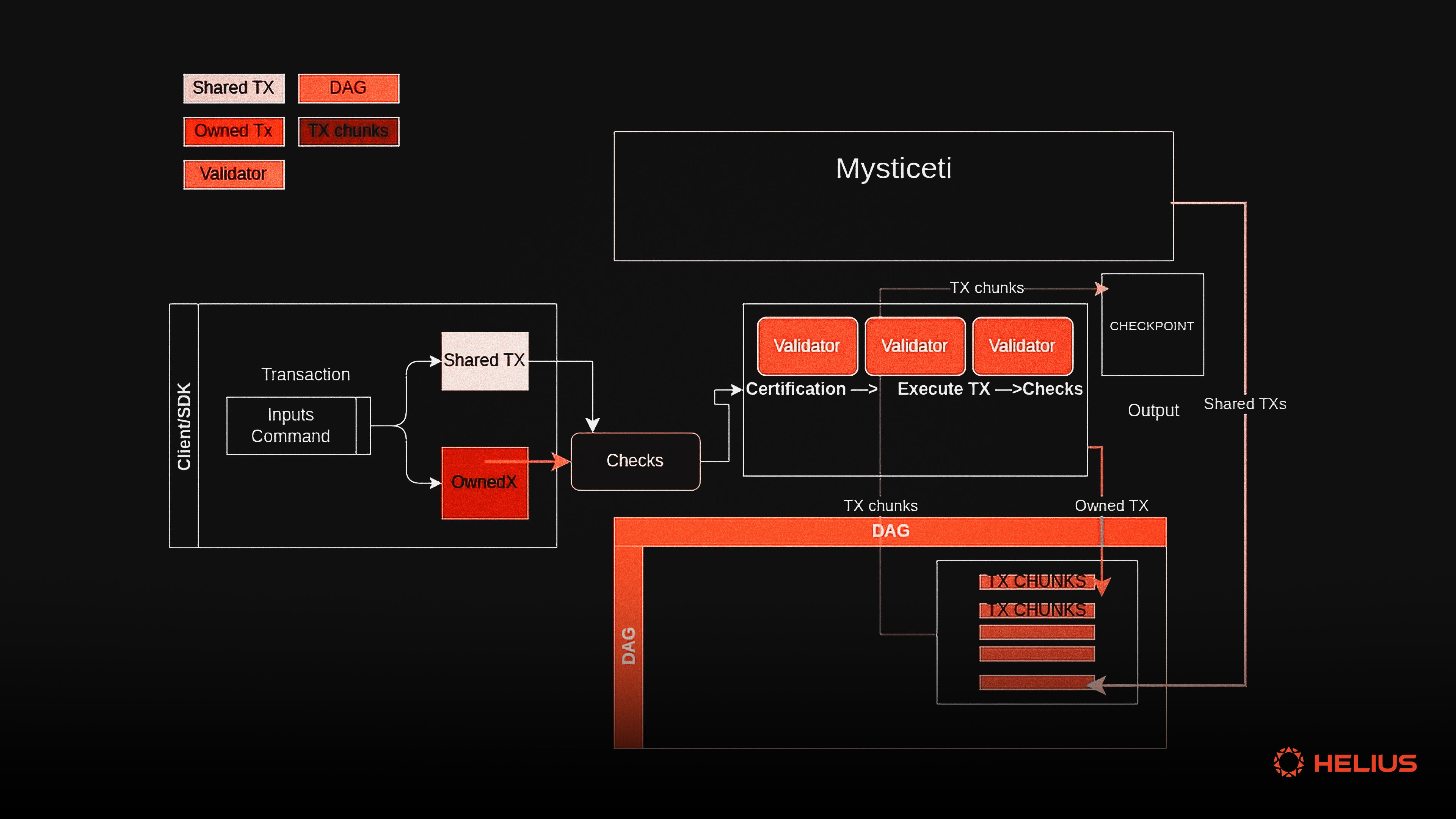
For DeFi, this means liquidity providers can grant fine-grained permissions without exposing entire wallets. Imagine adding liquidity to a pool while simultaneously hedging via a perpetuals object – all in one transaction, processed in parallel. Data from Messari’s Q3 2025 report highlights how this object-centric data model pairs with Mysticeti consensus for near-instant finality, critical as SUI holds at $0.9286 despite intraday lows of $0.9257.
Parallel Execution: Scaling DeFi Without Congestion
Sui’s parallelism stems from its object model, where non-overlapping objects process independently. In traditional blockchains, transactions queue behind account locks; Sui bypasses this, achieving thousands of TPS. For sui stack composable applications, this translates to real-time order books and dynamic fee markets without gas wars.
Sui Object DeFi Advantages
-
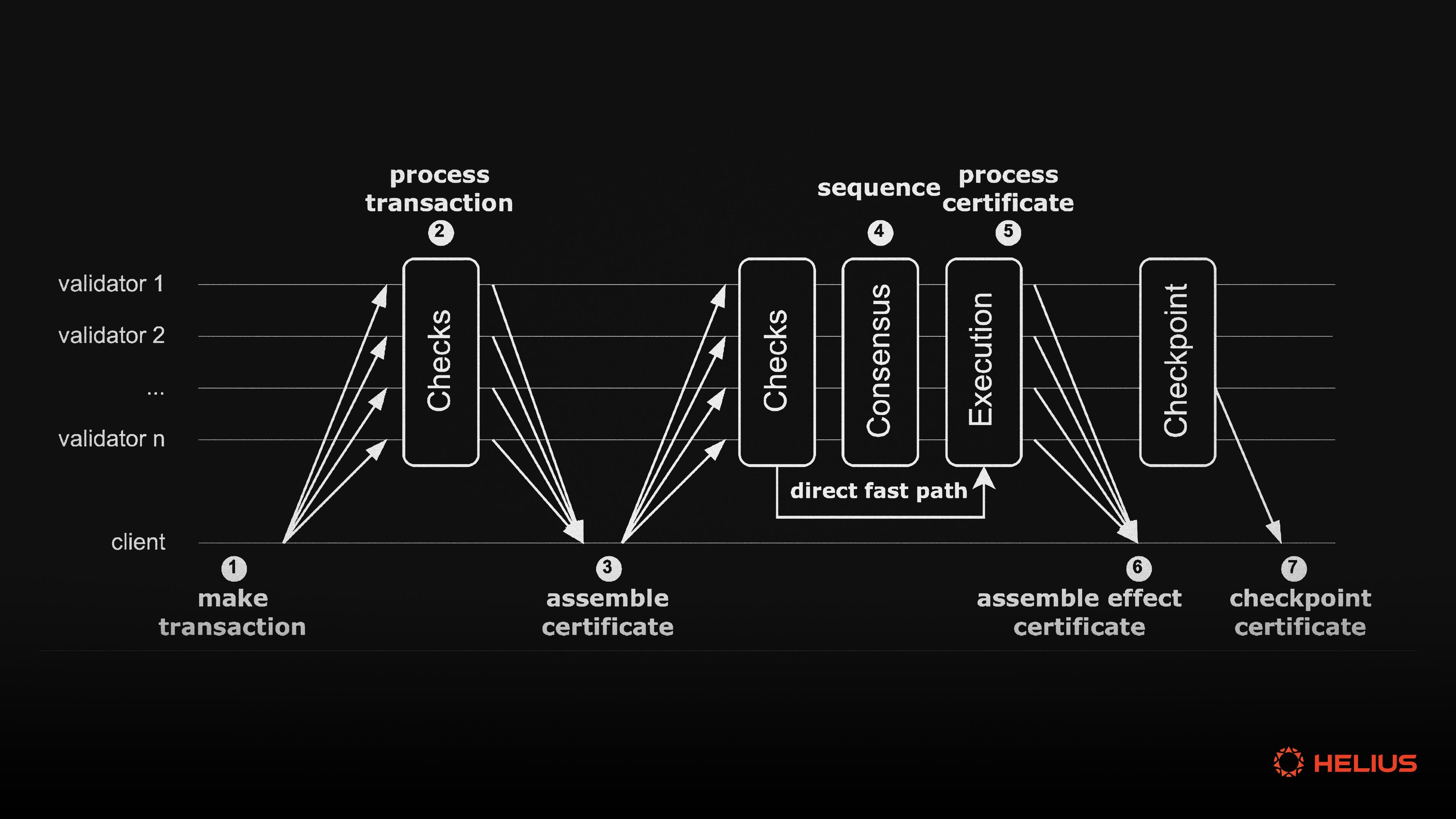
Parallel Tx Processing: Sui’s object model enables independent transactions to execute simultaneously, boosting throughput and scalability for DeFi apps.
-
Atomic Composability: Objects are globally addressable, allowing seamless, all-or-nothing operations across protocols like liquidity pools.
-
Unique Object IDs for Versioning: Every object has a unique ID and version, forming a DAG for efficient state evolution and upgrades.
-
Seamless LST Integration: Unified coin standard simplifies recognition of native and liquid staking tokens, enhancing DeFi composability.
-

Reduced Congestion at Scale: Horizontally scalable design handles high-frequency DeFi without bottlenecks, minimizing network congestion.
Consider DeepBook: orders as versioned objects form a DAG, enabling efficient matching engines. Developers leverage this for high-frequency DeFi, gaming, and consumer apps, as noted in Dreamineering’s analysis. With SUI at $0.9286, protocols like these drive adoption, blending on-chain fundamentals with market resilience.
Composable Liquidity Pools: Building Blocks for Next-Gen DeFi
Sui’s unified coin standard simplifies token handling, recognizing native SUI and liquid staking tokens uniformly. This fosters sui object model tutorial-worthy primitives: pools as collections of objects, allowing atomic operations like flash loans across venues. No more fragmented liquidity; instead, globally addressable objects integrate effortlessly.
In practice, a liquidity provider might split an object into shares, share it across protocols, and reclaim via a single tx. SUI Group Holdings’ Q3 2025 earnings emphasized how this horizontally scalable design suits finance use cases, evidenced by the chain’s object-centric roots treating every asset as independent versus account-based clutter.
DeepBook exemplifies this paradigm, treating orders and positions as versioned sui blockchain objects that evolve through a DAG. Traders execute complex strategies – like limit orders mutating into fills – without global state contention. This object-centric setup supports intelligent fee markets, where fees accrue to shared objects dynamically, optimizing capital efficiency as SUI trades at $0.9286 amid a stable 24-hour range between $0.9257 and $0.9738.
Move Language: Enforcing Composability at the Code Level
Move’s resource-oriented semantics ensure objects cannot be duplicated or discarded accidentally, a boon for DeFi primitives. Developers define custom types like PoolShare or PerpPosition, each as a standalone object. This sui object model tutorial style empowers atomic compositions: a single transaction might approve, transfer, and stake liquidity shares across protocols, all parallelized.
Move Example: Shared Liquidity Pool Creation and Mutation
Sui’s object-centric architecture enables DeFi liquidity pools as shared objects, supporting concurrent mutations without centralized locks. This facilitates high-throughput operations, with Sui achieving up to 297,000 TPS in benchmarks. The following Move module excerpt shows pool creation with initial liquidity and subsequent mutation via additions.
```move
module defi::liquidity_pool {
    use sui::object::{Self, UID};
    use sui::tx_context::TxContext;
    use sui::transfer;
    use sui::balance::{Self, Balance};
    use sui::coin::{Self, Coin};

    /// A shared liquidity pool object for tokens X and Y
    struct LiquidityPool has key {
        id: UID,
        reserve_x: Balance,
        reserve_y: Balance,
    }

    /// Create and share a new liquidity pool
    public entry fun create_and_share_pool(
        initial_x: Coin,
        initial_y: Coin,
        ctx: &mut TxContext
    ) {
        let balance_x = coin::into_balance(initial_x);
        let balance_y = coin::into_balance(initial_y);
        let pool = LiquidityPool {
            id: object::new(ctx),
            reserve_x: balance_x,
            reserve_y: balance_y,
        };
        transfer::share_object(pool);
    }

    /// Mutate the pool by adding liquidity
    public entry fun add_liquidity(
        pool: &mut LiquidityPool,
        add_x: Coin,
        add_y: Coin
    ) {
        let bal_x = coin::into_balance(add_x);
        let bal_y = coin::into_balance(add_y);
        balance::join(&mut pool.reserve_x, bal_x);
        balance::join(&mut pool.reserve_y, bal_y);
    }

    // Additional mutators like remove_liquidity, swap would follow similar patterns
}
```
This pattern ensures composability: other modules can reference the shared pool ID to perform swaps or oracle updates, minimizing gas costs compared to account-based models by avoiding ownership transfers.
In my analysis blending on-chain metrics with price action, Sui’s parallelism shines during volatility. At $0.9286, with a minor -0.0273% dip, transaction volumes in object-heavy protocols like DeepBook remain robust, underscoring resilience. Unlike EVM chains prone to mempool floods, Sui’s model scales horizontally, as SUI Group Holdings noted in their Q3 2025 call.
Unified Coins and LSTs: Streamlining Liquid Staking in DeFi
Sui’s unified coin standard treats native SUI and liquid staking derivatives as interchangeable objects, slashing integration overhead. Protocols recognize them seamlessly, enabling composable strategies like staking while providing liquidity. This reduces costs in high-frequency setups, vital as SUI holds $0.9286 post its 24-hour low of $0.9257.
From a trader’s lens, this means tighter spreads and lower slippage. On-chain data reveals LST pools growing 40% quarter-over-quarter per Messari’s Q3 2025 State of Sui, fueled by object interoperability. Developers build compliant layers atop shared objects, embedding KYC rules without liquidity silos – a regulatory edge in maturing DeFi.
Sui Objects’ DeFi Benefits
-
Globally Addressable Assets: Sui treats assets as independent objects with unique IDs, enabling seamless interoperability and composability across protocols without account-based restrictions.
-
Versioned State for Audits: Objects evolve with versions forming a DAG, providing transparent, immutable history for efficient compliance and auditing in DeFi.
-
Atomic Multi-Pool Operations: Enables simultaneous actions like liquidity addition/removal across pools in one transaction, reducing risks and enhancing efficiency.
-
Parallel Execution for HFT: Object-centric design allows independent transactions to process in parallel, supporting high-frequency trading with low latency and high throughput.
-
Unified Token Standard for LSTs: Single coin standard simplifies integration of native SUI and liquid staking tokens, boosting composability and cost efficiency.
High-Frequency Trading Edge: Sui’s Parallelism Meets Market Realities
For high-frequency DeFi, Sui’s object model delivers sub-second finality via Mysticeti, outpacing competitors. Positions as independent objects allow parallel updates, mimicking forex desks’ speed without centralization risks. Dreamineering highlights this for gaming and consumer apps too, but DeFi captures the alpha: dynamic oracles feeding object states for real-time pricing.
Balancing hype with data, Sui’s TVL lags leaders yet grows amid $0.9286 stability. On-chain fundamentals – 10x TPS potential – signal upside, especially if adoption hits 2025 mainstream projections. Protocols stack L1 with Walrus storage for massive datasets, all object-native.
GiveRep and community chatter reinforce: Sui flips account-based limits, making every asset a composable unit. As SUI navigates its 24h high of $0.9738 down to $0.9286, object-centric DeFi proves antifragile, rewarding builders who master its nuances.