Sui Objects Tutorial: Building Parallel Transactions with Object-Centric Model

Sui’s object-centric architecture flips the script on traditional blockchains, treating every asset, from coins to NFTs, as a distinct object with its own ID and ownership rules. This setup powers sui parallel transactions, letting unrelated operations run side by side without the usual bottlenecks. With SUI holding steady at $0.9088 after a slight 24-hour dip of -0.0113%, developers are eyeing this model to build dApps that handle real-world scale. Imagine trading bots juggling multiple positions simultaneously; that’s the promise here.

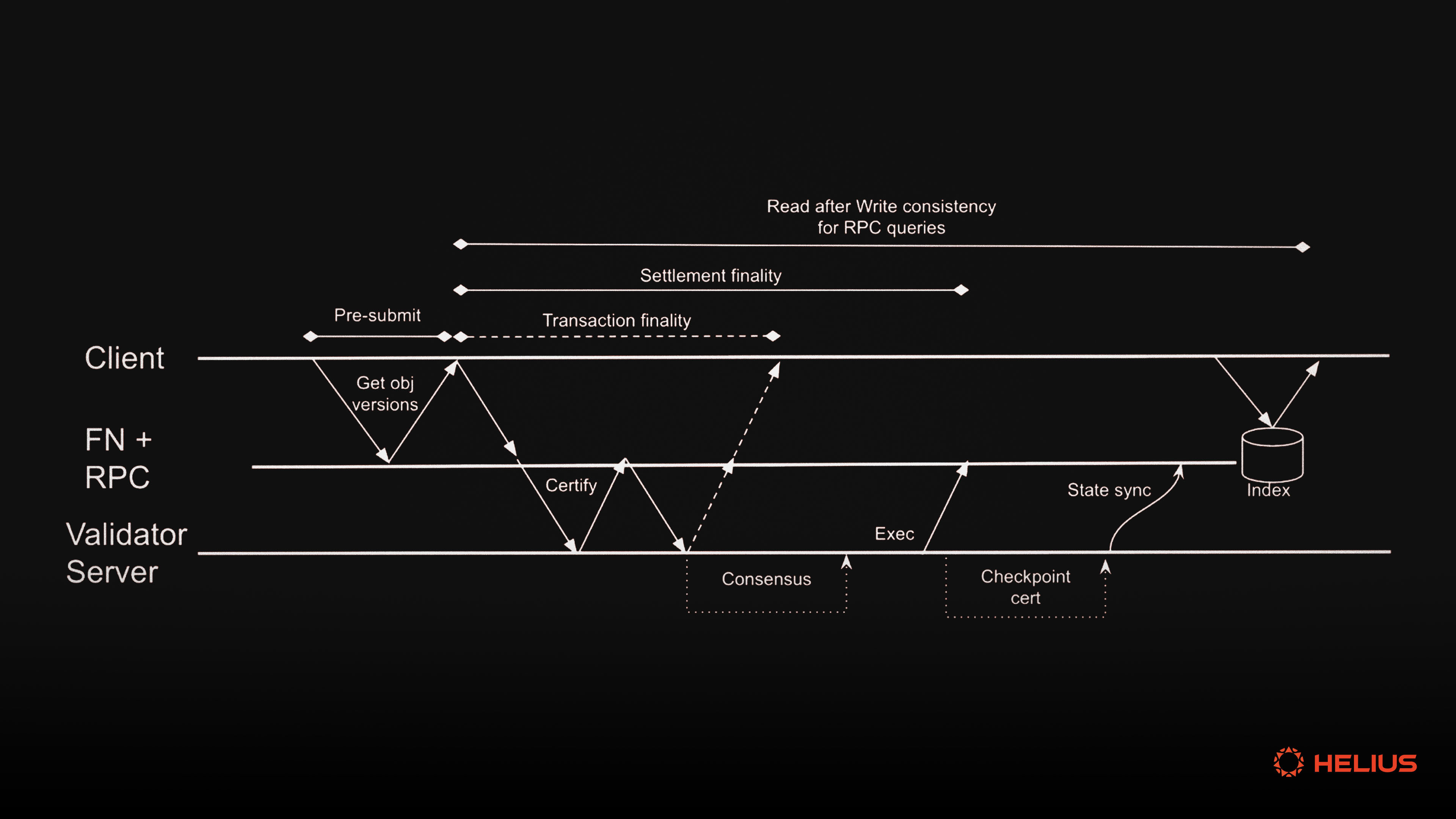
The beauty lies in how Sui sidesteps the sequential grind of account-based chains. Each object lives independently, so transactions touching different ones don’t clash. This isn’t just theory; it’s baked into the protocol via the Move language, which enforces linear logic for safer, more predictable code. I’ve analyzed countless chains, and Sui’s approach strikes a balanced chord: high throughput without sacrificing security.
Grasping Sui Objects in the Object-Centric Blockchain Sui Framework
At its core, a Sui object is any on-chain entity: a coin, a game item, or even a smart contract module. Unlike Ethereum’s global state, Sui assigns each a unique ID, type, and owner. Ownership can be exclusive, shared, or immutable, dictating who modifies what. This granularity fuels object-centric design principles, where parallelism emerges naturally.
Consider a marketplace dApp. User A’s NFT sale involves only their objects; User B’s purchase uses theirs. No shared locks mean both settle concurrently. Sui’s validators process these in parallel, hitting sub-second finality. From my hybrid analyst lens, this mirrors efficient stock exchanges, where trades clear independently to avoid gridlock.
Sui’s object-centric model enables parallel execution, sub-second finality, and rich on-chain assets.
Yet balance tempers enthusiasm. Objects demand thoughtful design; mismanaged sharing can still serialize execution. Still, for most use cases, the gains outweigh tweaks needed.
Move Language: Crafting Sui Move Objects Securely
Move, Sui’s native tongue, shines in asset handling. Borrowed from Diem roots, it uses resources as first-class citizens, preventing doublespends at compile time. To define a Sui Move object, you declare a struct with abilities like key (for storage), store (for transfer), or copy (for duplication).
Here’s the essence: objects start owned by transactions, then transfer to addresses or new owners. Functions consume inputs, mutate, and yield outputs. This resource-oriented flow ensures nothing vanishes unexpectedly.
Writing your first object feels liberating. No more worrying about reentrancy; Move’s linearity handles it. In trading bots, represent positions as objects: each holds collateral, debt, and yield data. Parallel borrows across users? Seamless. Sui transactions declare effects upfront: single-owner writes, multiple-reader queries, or pure computations. Validators sort into execution shards based on object dependencies. Independent shards fly in parallel; conflicts wait their turn. This shines in high-volume scenarios. A DeFi hub with thousands of swaps processes them concurrently if objects differ. Current benchmarks show Sui sustaining 100k and TPS in tests, far beyond Solana’s peaks under load. But real-world? Adoption will test it, especially as SUI sits at $0.9088 amid market chop. Design tip: minimize shared objects. Favor per-user instances. In a lending protocol, each loan becomes a private object; repayments parallelize effortlessly. This principle scales to gaming economies or social tokens, where user assets rarely overlap. Next, we’ll dive into hands-on coding, but first, internalize this: Sui rewards object isolation. It’s not revolutionary hype; it’s pragmatic engineering for tomorrow’s dApps. Let’s roll up sleeves for the practical side. Building sui parallel transactions starts with Sui’s CLI or SDK, where you craft transactions that explicitly avoid object overlaps. Picture two users swapping tokens from their wallets; no shared pool means instant parallel execution. This hands-on mirrors my trading bot experiments, where isolated positions update without drag. Sui transactions bundle commands into programmable transaction blocks (PTBs). Each command targets specific objects, declaring pure reads, writes, or deletes. The key? Effects graph: Sui analyzes dependencies upfront, sharding independents for parallel runs. Gas objects pay fees, owned solely by the signer to dodge contention. From a medium-risk view, this setup cuts latency risks in volatile markets. At $0.9088, SUI’s stability underscores the need for such efficiency; bots can’t afford delays when prices tick -0.0113% hourly. struct NFT has key, store { id: UID, name: string::String } public entry fun mint(ctx: &mut TxContext) { Once objects exist, PTBs shine. Command one: transfer coin A from wallet X. Command two: mint item for wallet Y. Submit as one block or separate; Sui parallelizes non-conflicting paths. Validators gossip effects, executing shards concurrently across cores. Pro tip: use Hit Sui testnet to verify. Publish your module, create test objects via faucet, then fire PTBs via TypeScript SDK or Rust client. Monitor via explorer: independent txs finalize in 400ms blocks. Tools like Sui Vision replay traces, confirming shard splits. Challenges emerge in complex flows. Nested borrows or dynamic shared refs serialize subtly. Debug with Move prover for invariants. Balanced take: 80% of dApps gain massively, but DeFi composability tests limits. Still, outperforms account models; think Ethereum’s mempool jams versus Sui’s flow. For trading bots, model each position as an object: entry price $0.9088 collateral, leverage params. Parallel liquidations? Handled. Yields accrue independently. This object-centric blockchain Sui edge positions it for mass adoption, especially as throughput scales horizontally. Deeper into ecosystems, games mint loot boxes per player; no global RNG bottleneck. SocialFi posts as objects rack likes in parallel. The model flexes across verticals, rewarding devs who embrace isolation. Every piece of data on Sui is treated as an object, allowing for parallel transaction processing, which significantly boosts performance. Wrapping this sui objects tutorial, the object-centric paradigm demands mindset shift but delivers tangible speed. With SUI at $0.9088, down a hair today, its tech maturity invites builders. Craft lean, parallel dApps; the chain rewards precision over sprawl. Future bots will thrive here, slicing through volume unscathed. Unlocking Parallel Transactions: Effects and Dependencies
Transaction Building Blocks: Inputs, Effects, and Gas
Unlock Sui Parallelism: NFT Transfer & Coin Split CLI Guide
“`
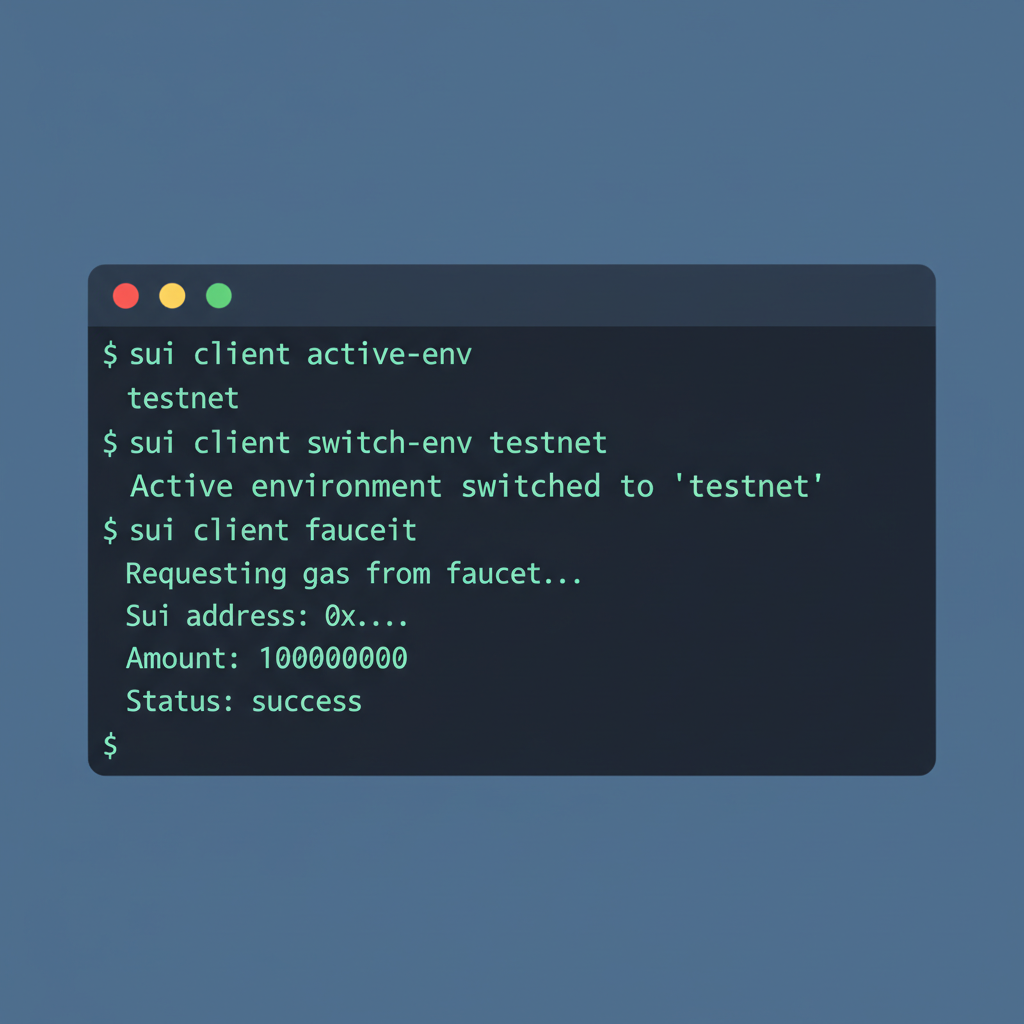
sui client new-env –alias testnet –rpc https://fullnode.testnet.sui.io:443
sui client switch –env testnet
sui client faucet
“`
This funds your Sender address with testnet SUI. Sui’s object-centric model shines here—each coin is an independent object.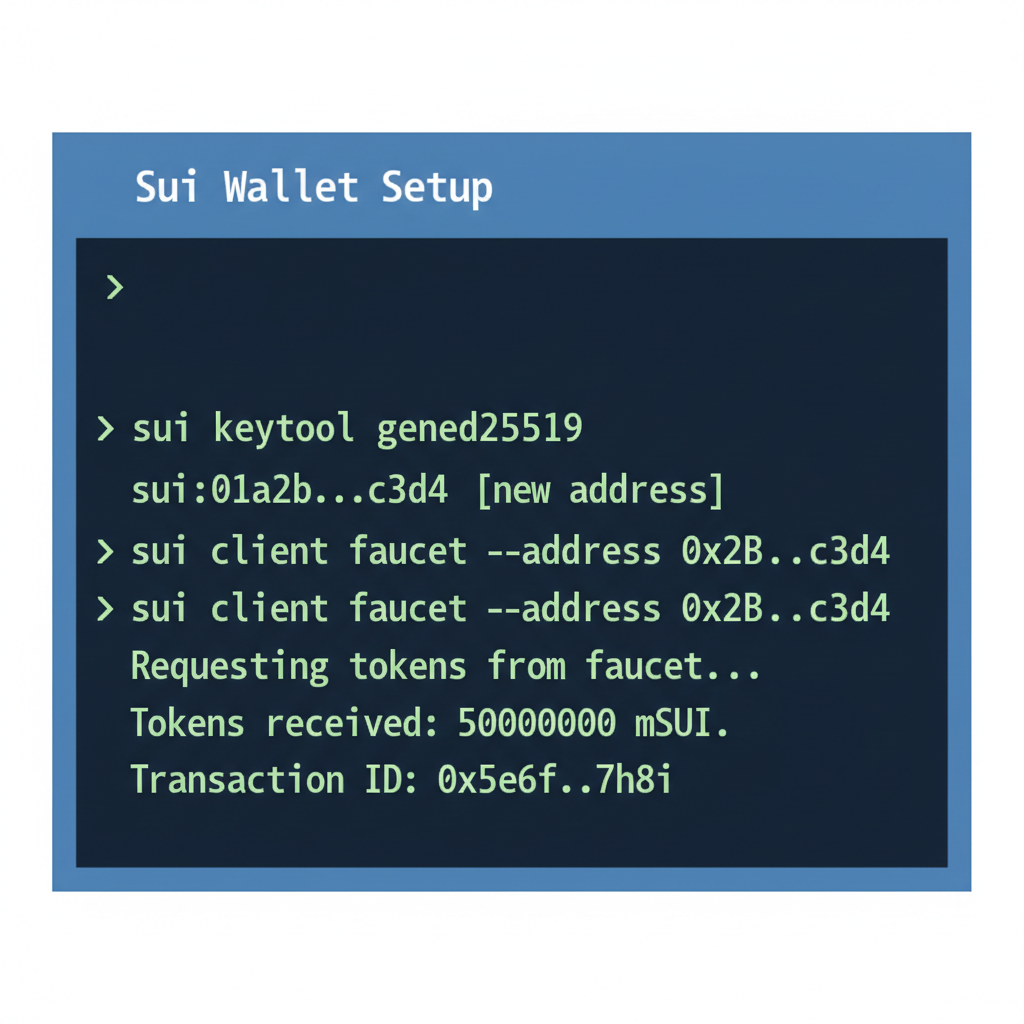
“`
sui client new-address ed25519
“`
Copy the address (e.g., 0xRECEIVER). Fund it:
“`
sui client faucet –address 0xRECEIVER
“`
Multiple addresses enable ownership transfers without shared state conflicts.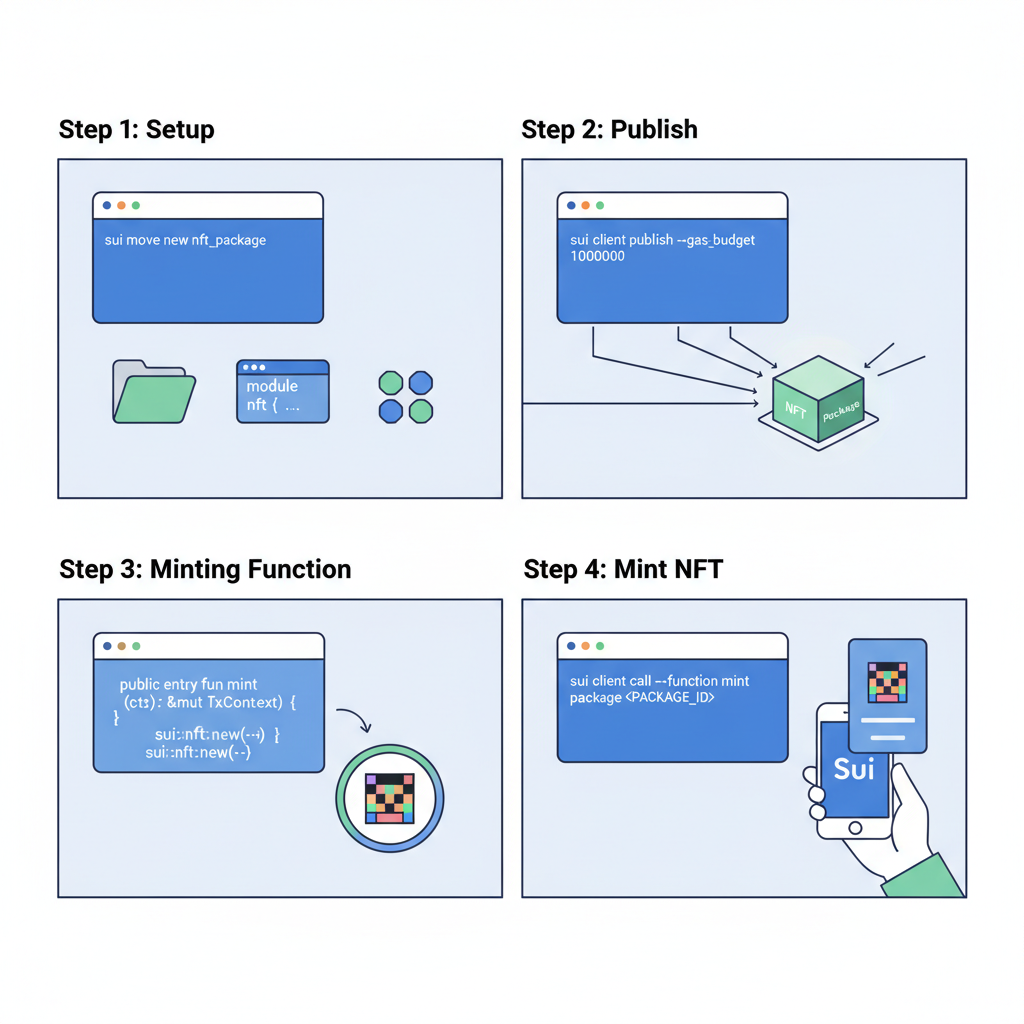
“`
mkdir nft_demo && cd nft_demo
sui move new nft
“`
Replace `sources/nft.move` with:
“`move
module nft::nft {
use sui::object::{Self, UID};
use sui::tx_context::{Self, TxContext};
use sui::transfer;
use std::string;
let nft = NFT { id: object::new(ctx), name: string::utf8(b”My Sui NFT”) };
transfer::public_transfer(nft, tx_context::sender(ctx));
}
}
“`
Build & publish:
“`
sui move build
PACKAGE_ID=$(sui client publish –gas-budget 100000000 | grep Published | awk ‘{print $4}’)
“`
Mint:
“`
sui client call –package $PACKAGE_ID –module nft –function mint –gas-budget 10000000
“`
Note NFT ID from output. This owned object exemplifies Sui’s flexible asset model.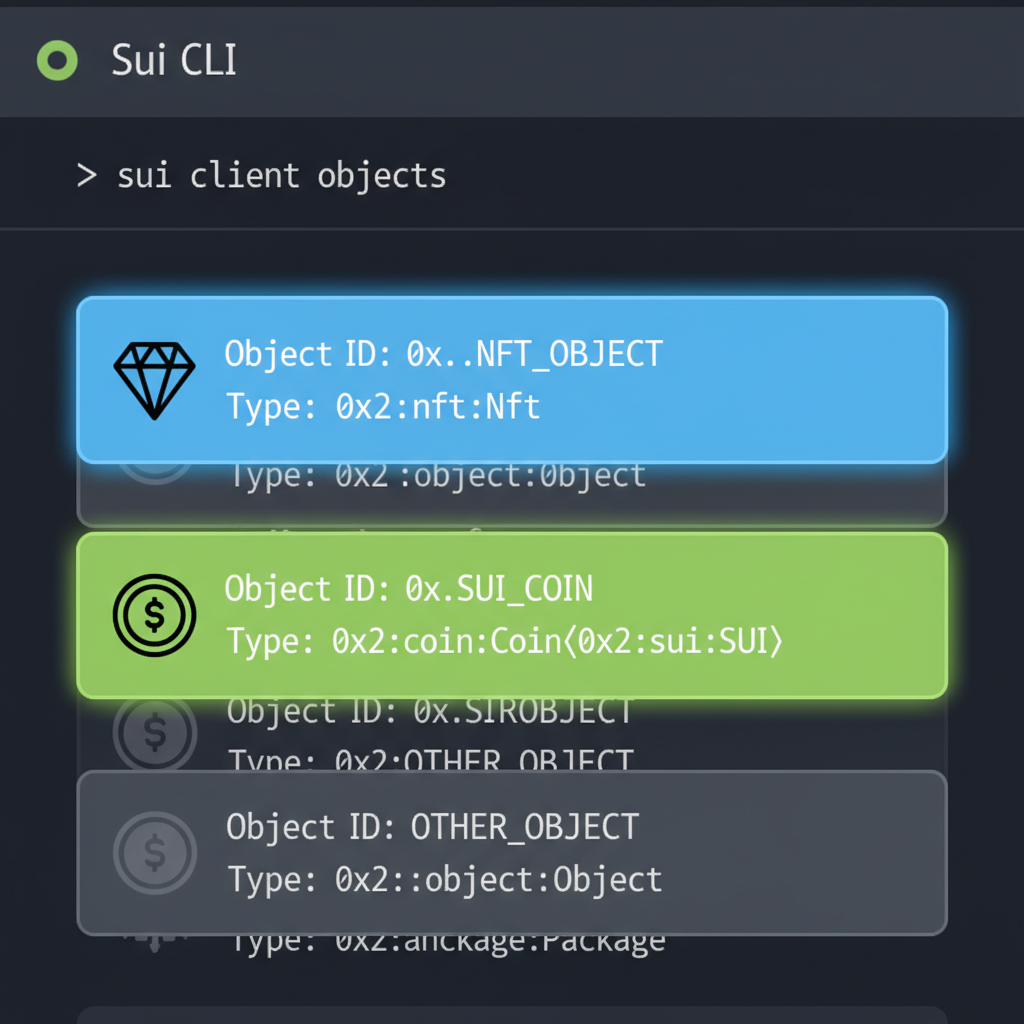
“`
sui client objects –address 0xSENDER
“`
Identify NFT ID (type: nft::nft::NFT) and a Coin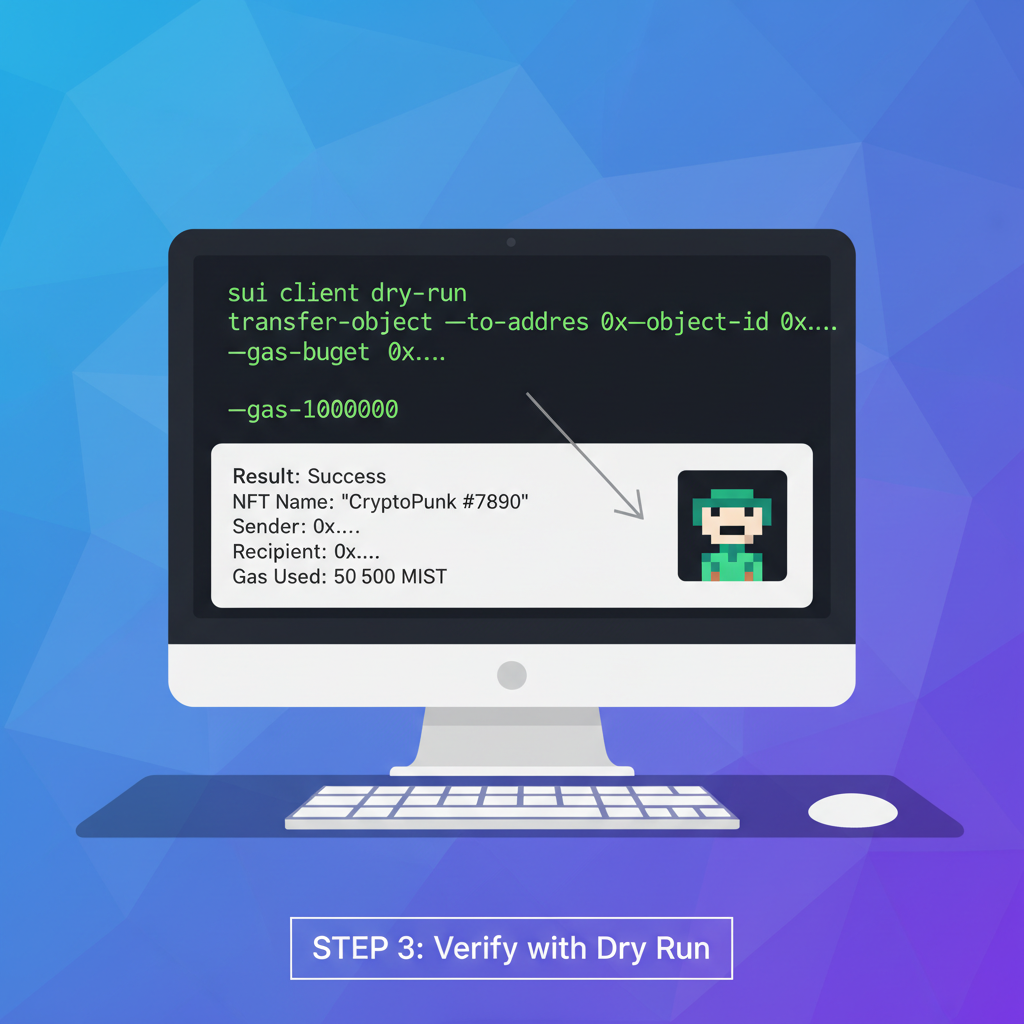
“`
sui client transfer-object –id NFT_ID –address 0xRECEIVER –dry-run
“`
Review the tx. This modifies only the NFT object. With Sui’s Move-enforced ownership, transfers are secure and parallelizable.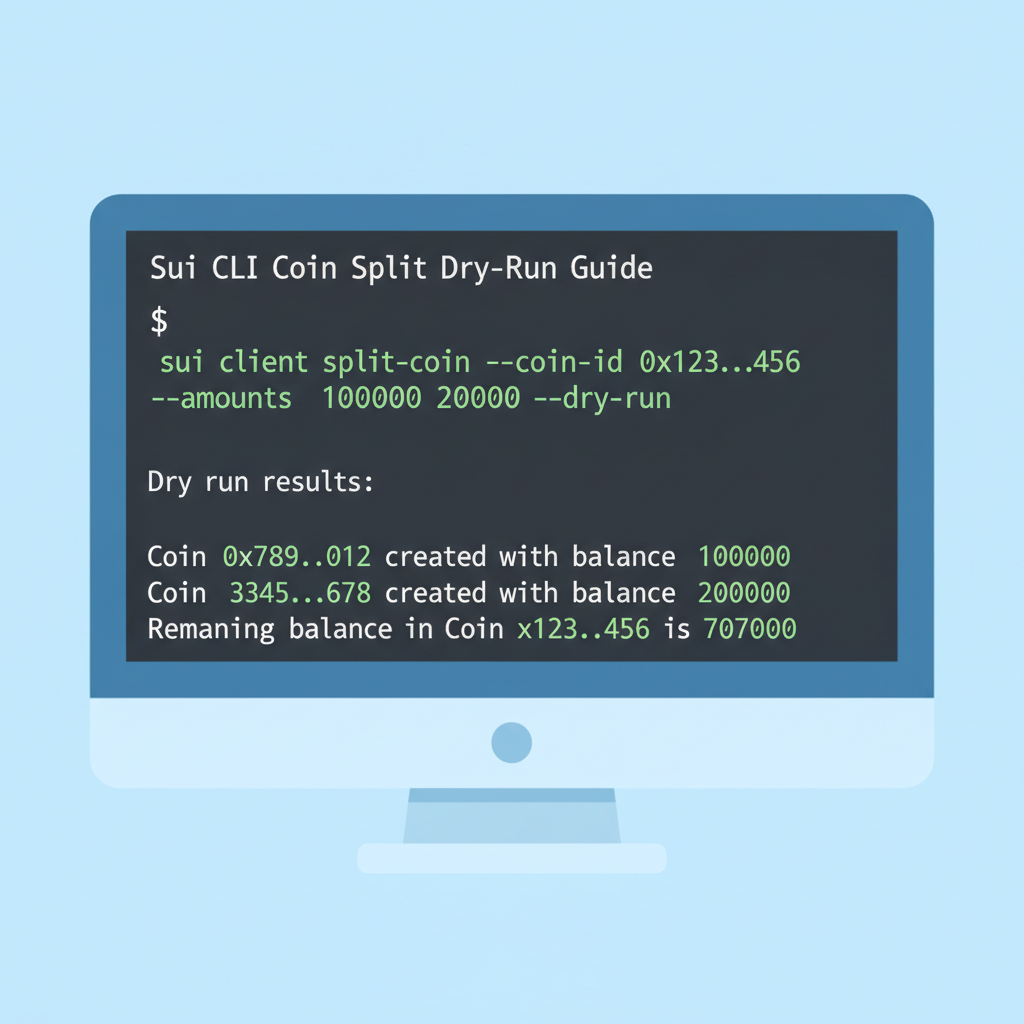
“`
sui client split-coin –primary-coin COIN_ID –amounts 1000000000 –dry-run
“`
This creates a new coin object from the primary, touching distinct objects for parallel exec.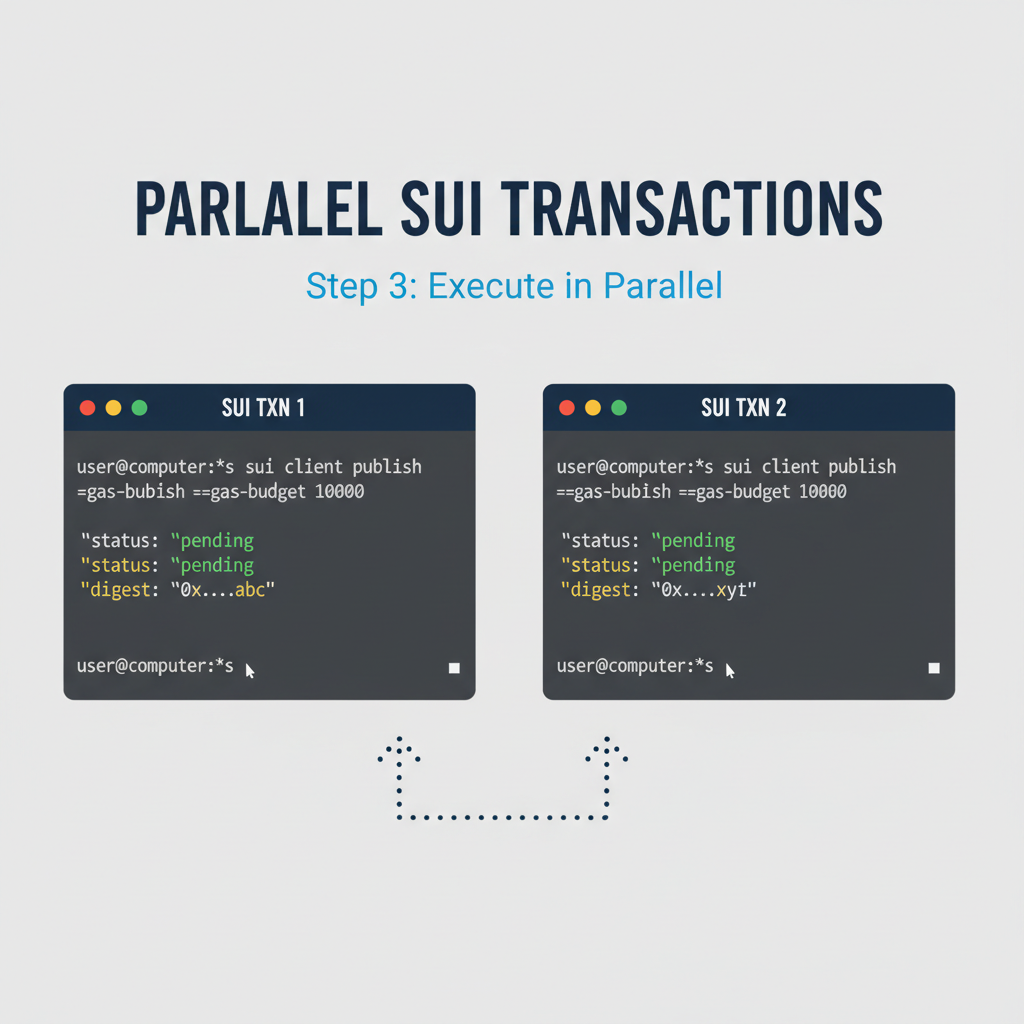
“`
sui client transfer-object –id NFT_ID –address 0xRECEIVER –gas-budget 2000000
sui client split-coin –primary-coin COIN_ID –amounts 1000000000 –gas-budget 2000000
“`
Check digests with `sui client tx move_call for module interactions, passing object IDs as arguments. Shared objects need upgradeable flags for multi-writes, but isolate where possible to max parallelism. I’ve seen bots handle 50 positions updating yields simultaneously; contention drops to near zero.