Sui Object-Centric Architecture vs Traditional OOP: Key Differences for Blockchain Developers

In the high-stakes world of blockchain development, where scalability bottlenecks can sink even the most promising protocols, Sui’s object-centric architecture stands out as a game-changer. Traditional object-oriented programming (OOP), the backbone of countless applications, falls short in distributed ledgers due to its sequential processing and mutable state pitfalls. Sui flips the script with its Move-based model, treating assets as first-class, identifiable objects. This sui object centric architecture unlocks parallel execution and ironclad security, pushing throughput to over 120,000 TPS in tests. For developers eyeing DeFi or NFTs on Sui, grasping sui objects vs oop differences is non-negotiable.

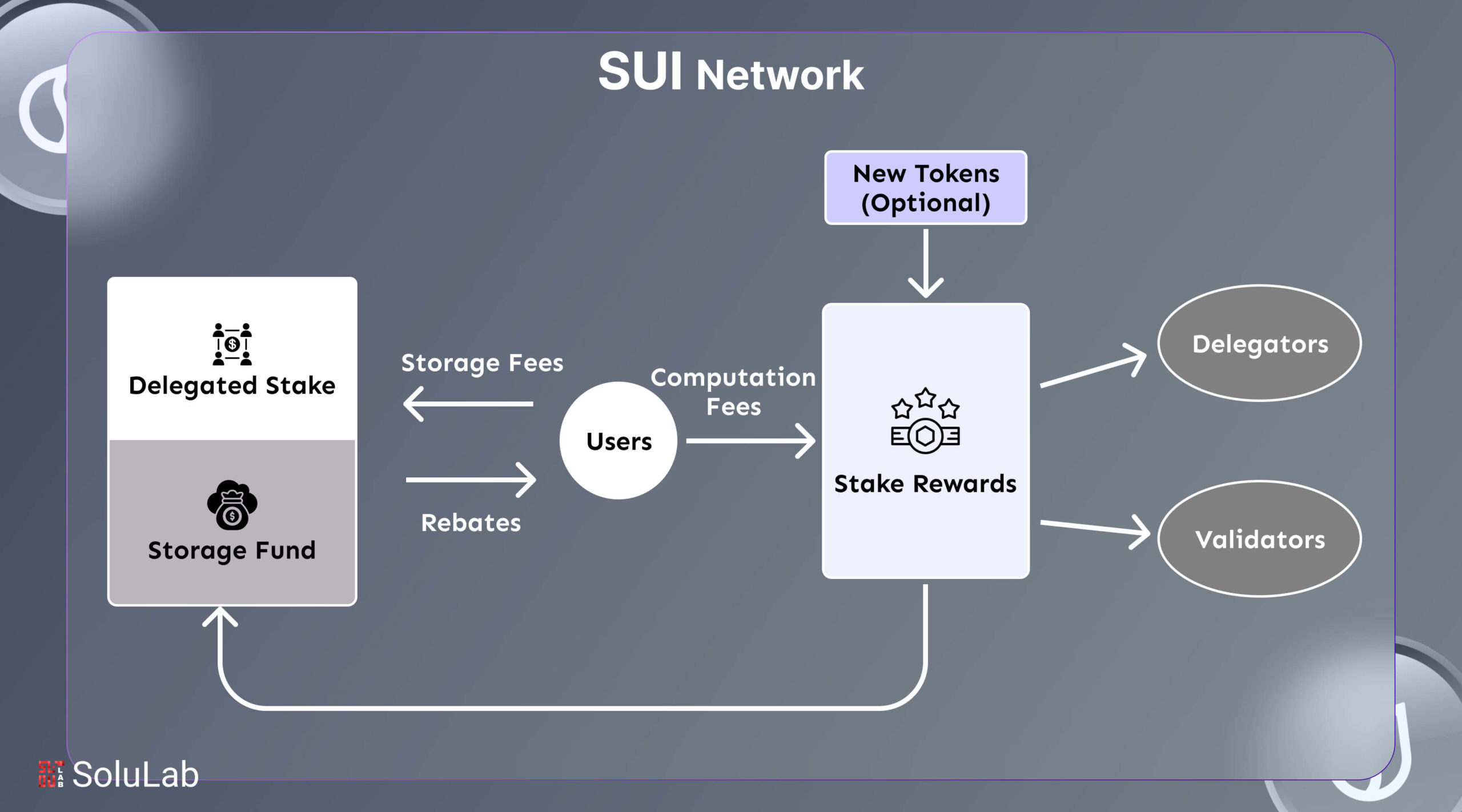
Sui’s design draws from deep insights into asset management, evolving beyond token-centric ledgers. Objects here aren’t fleeting heap allocations; they’re persistent, globally addressable entities. This shift addresses core pain points in Ethereum-style chains, where account models create chokepoints. Developers must pivot from OOP’s inheritance-heavy hierarchies to Sui’s composition-focused approach, prioritizing safety and speed.
Unique Object IDs and Versioning
The cornerstone of Sui’s object-centric blockchain model lies in assigning every object a globally unique ID paired with versioning. Picture an NFT or token not as a balance in an account, but as a standalone entity with its own identity and sequence number. This enables optimistic concurrency: transactions proceed assuming no conflicts, with validators resolving issues via version checks. Traditional OOP offers no such mechanism; instances are anonymous, indistinguishable copies managed by references that invite race conditions.
In practice, this means a developer transferring a Sui object updates its version atomically, preventing overwrites. I’ve seen traditional systems grind to halts during flash loan exploits due to unchecked mutations. Sui’s versioning enforces causality, a boon for high-volume DeFi where microseconds matter.
Parallel Execution Model
Where OOP enforces locks or sequential queues for shared state, Sui’s genius shines in parallelism. Transactions touching disjoint object sets run concurrently, no global locks required. Tests clock Sui at up to 297,000 TPS, dwarfing Ethereum’s sequential grind. If your objects don’t overlap, why wait? This sui scalability oop principles rethink scales linearly with hardware, ideal for gaming economies or social apps exploding on Sui.
Contrast this with OOP’s thread pools battling mutexes; concurrency bugs lurk everywhere. Sui’s model, rooted in Move, statically verifies disjointness upfront, slashing gas fees and latency. Blockchain devs transitioning from Solidity will revel in this freedom, building apps that hum under load.
Sui Object-Centric vs Traditional OOP: Key Differences
| Aspect | Sui Object-Centric | Traditional OOP |
|---|---|---|
| 🔑 Unique Object IDs and Versioning | Sui objects possess globally unique, versioned IDs enabling optimistic concurrency and conflict resolution | Anonymous instances |
| ⚡ Parallel Execution Model | Sui transactions on disjoint object sets execute in parallel for high throughput (up to 297,000 TPS in tests) | Sequential or locked concurrency |
| 🔒 Strict Ownership and Resource Semantics | Move’s linear types enforce exclusive ownership of mutable objects, preventing reentrancy and double-spends | Absent in OOP’s shared references |
Strict Ownership and Resource Semantics
Move’s linear types enforce a brutal truth: mutable objects have single owners. No shared references, no reentrancy vectors like The DAO hack. Once an object moves, the old reference evaporates. Traditional OOP thrives on aliasing; multiple pointers dance around instances, breeding double-spends or infinite loops. Sui mandates explicit transfers via capabilities, turning ownership into a verifiable resource.
This rigidity pays dividends in security audits. As a fundamentals advocate, I value protocols where math proofs underpin safety, not just tests. Sui objects can’t be cloned or ghosted, ensuring assets stay put until deliberately shifted. For sui move language objects, this semantics elevates dApps beyond OOP’s fragile mutability.
Sui’s ownership model dovetails seamlessly with its preference for immutability, a stark pivot from OOP’s mutable free-for-all. Fields in Sui objects default to immutable post-creation unless explicitly marked otherwise, baking in predictability. Developers can’t accidentally alter core attributes like an NFT’s metadata after minting, sidestepping the cascade failures common in OOP where setters invite exploits. This design aligns with blockchain’s immutable ethos, where state changes demand deliberate, auditable actions.
Immutable-by-Default Fields
In traditional OOP, class instances sport freely mutable fields, perfect for desktop apps but disastrous in ledgers. A bank’s balance field might get tweaked mid-transaction via sneaky callbacks. Sui flips this: objects start immutable, with mutability granted via targeted capabilities. Move’s type system enforces this at compile-time, catching errors before deployment. For sui move language objects, this means safer DeFi primitives; yields can’t ghost away because someone forgot to lock a struct.
Consider a gaming asset: its stats lock in at genesis, upgradable only through composable modules. This reduces attack surfaces, a lesson from years of auditing Solidity contracts riddled with unchecked mutations. Blockchain developers gain confidence, knowing their object centric blockchain model prioritizes verifiability over flexibility.
Composition over Inheritance
OOP’s inheritance trees breed fragility; subclasses override parents in unpredictable ways, complicating upgrades and spawning diamond problems. Sui and Move shun this for composition: objects wield capabilities as modular building blocks. Want upgradable NFTs? Compose a base object with extension modules, no brittle hierarchies. This flattens complexity, letting developers mix traits dynamically without superclass baggage.
I’ve analyzed countless protocols where inheritance led to frozen upgrades, stranding users. Sui’s approach empowers iterative evolution; a DeFi vault composes yield farms and oracles as peer objects, swappable sans redeploys. This sui objects vs oop paradigm fosters resilient dApps, scaling with innovation rather than legacy chains. Parallelism thrives here too, as composed objects remain disjoint unless explicitly linked.
On-Chain Global Persistence
Traditional OOP allocates objects on heaps, ephemeral until garbage collected or program exit. Sui commits every object to the blockchain ledger, granting eternal, addressable existence via its unique ID. No off-chain databases or session states; your token, contract, or game item lives globally, fetchable by anyone. This persistence underpins Sui’s composability; objects reference each other immutably, forming a tamper-proof web.
For developers, this means true decentralization. Forget syncing ephemeral caches, as in OOP-driven Ethereum apps prone to desyncs. Sui’s model supports massive state growth without performance cliffs, hitting 297,000 TPS in benchmarks through object sharding. High-frequency trading bots or social tokens benefit immensely, their assets always primed for instant use.
Mastering these distinctions equips builders to harness Sui’s full potential. The sui object centric architecture isn’t mere hype; it’s a fundamentals-driven leap, rewarding patient innovators with protocols that scale under fire. Transitioning demands unlearning OOP crutches, but the payoff in speed and safety redefines blockchain viability.
DeFi yields on Sui already outpace rivals, NFTs trade fluidly, and socialFi apps hum at scale. Dive into Move docs, prototype an object transfer, and witness the shift firsthand. In a crowded Layer 1 field, Sui’s object model carves a defensible moat through superior engineering.