How SuiNS .sui Names Leverage Object-Centric Model for Sui Ecosystem Identity

In the evolving Sui ecosystem, where scalability meets stability, Sui Name Service (SuiNS) emerges as a cornerstone for on-chain identity. As Sui’s native naming protocol, SuiNS. sui names transform cumbersome wallet addresses into memorable, human-readable identifiers. This innovation, deeply rooted in Sui’s object-centric model, promises not just convenience but a robust foundation for secure, efficient identity management. With SUI trading at $0.9536, reflecting a modest 24-hour gain of and $0.0131 ( and 1.39%), the protocol underscores the blockchain’s commitment to practical utility amid measured market growth.

SuiNS. sui Names as Transferable NFT Objects
SuiNS names function as distinct NFT objects on the Sui blockchain, embodying the principles of object-centric architecture. Unlike traditional account-based models, where state is entangled across ledgers, Sui treats each name as an independent entity. Users register. sui domains for selectable periods, deciding at renewal whether to extend ownership. This object ownership model enables seamless transfers, much like any Sui NFT, fostering liquidity on marketplaces without compromising control.
From a risk-averse perspective, this structure minimizes exposure. Names link directly to Sui accounts, replacing forgettable alphanumeric strings with personalized handles like @username. sui. Developers and institutions benefit from subnames, creating hierarchical identities; for instance, a firm might deploy team. sui with subdomains for departments. Such granularity aligns with conservative portfolio strategies, where clear asset delineation reduces operational risks in decentralized environments.
SuiNS leverages Sui’s object-centric model to enhance identity management, treating identities as distinct objects for efficient, scalable processing.
Object-Centric Advantages for Sui Ecosystem Identity
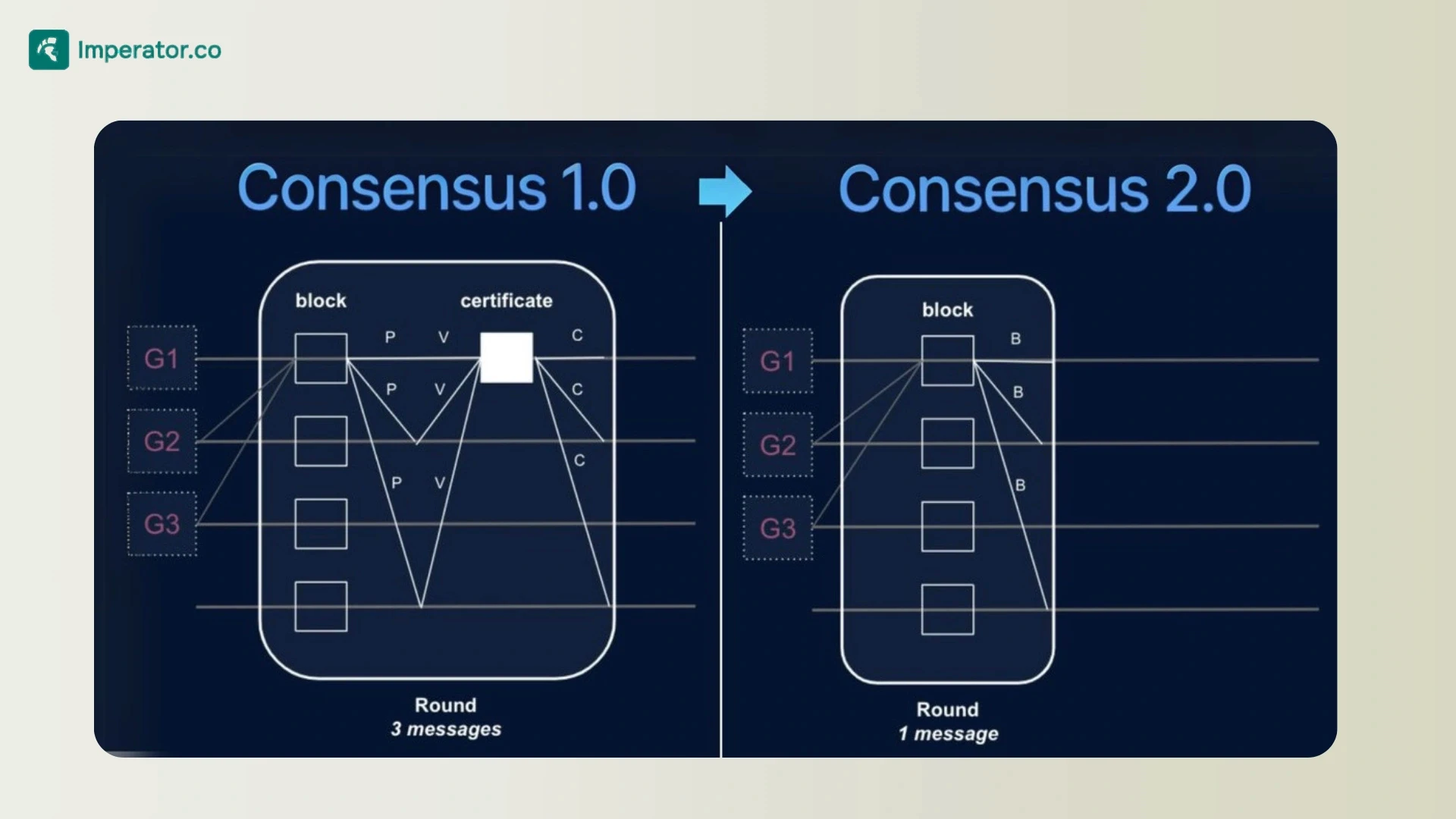
The genius of Sui’s object-centric paradigm lies in its parallel processing capabilities. Each SuiNS. sui name operates as a self-contained object, updated independently without bottlenecking the network. This contrasts sharply with sequential models in other Layer 1s, where identity updates cascade through global state changes, inviting delays and vulnerabilities.
In practice, registering a. sui domain on Sui involves minting an NFT object tied to your wallet. The process supports sniping premium names via auctions, yet maintains accessibility through decentralized governance. For Web3 innovators, this means building dApps with reliable identity resolution; a smart contract query for alice. sui resolves instantly to her address, streamlining user onboarding.
Scalability shines here. As Sui processes transactions in parallel, identity operations scale linearly with network demand. My experience in institutional investing highlights why this matters: in stablecoin ecosystems, where transaction finality underpins yield strategies, object-centric identity ensures predictable performance. No more single points of failure in name resolution that could erode trust or capital efficiency.
Streamlining On-Chain Interactions with SuiNS
Adopting SuiNS. sui names redefines user experience in the Sui ecosystem. Send transactions to bob. sui instead of a 64-character hex string; integrate with wallets for native resolution. This user-centric design, powered by object independence, extends to organizations crafting branded identities. A DAO under governance. sui can issue member subnames, fostering community without centralized registries.
Market dynamics reinforce this utility. With SUI at $0.9536, up from a 24-hour low of $0.9196, SuiNS positions itself as a low-volatility enhancer. Names appreciate as ecosystem adoption grows, yet their object nature caps downside through transferability. Developers eyeing SuiNS tutorials will find the model intuitive: code against objects, not accounts, for future-proof infra.
Sui (SUI) Price Prediction 2027-2032
Long-term forecast from current $0.9536 price (2026), factoring in SuiNS adoption, object-centric identity enhancements, and market cycles
| Year | Minimum Price ($) | Average Price ($) | Maximum Price ($) | Est. YoY Growth (Avg %) |
|---|---|---|---|---|
| 2027 | $1.40 | $2.20 | $4.00 | +131% |
| 2028 | $2.50 | $4.50 | $8.50 | +105% |
| 2029 | $4.00 | $7.50 | $15.00 | +67% |
| 2030 | $6.00 | $12.00 | $25.00 | +60% |
| 2031 | $9.00 | $18.00 | $35.00 | +50% |
| 2032 | $12.00 | $25.00 | $45.00 | +39% |
Price Prediction Summary
Sui (SUI) is projected to experience substantial growth through 2032, propelled by SuiNS’s object-centric model simplifying on-chain identities and boosting ecosystem engagement. Conservative minimums reflect bearish corrections, while maximums capture bull market peaks amid adoption surges. Average trajectory suggests 20-30x appreciation from current levels by 2032 under moderate bullish conditions.
Key Factors Affecting Sui Price
- SuiNS NFT-based names enhancing user-friendly on-chain identity and transaction efficiency
- Sui’s parallel processing and object-centric paradigm supporting scalable growth
- Crypto market cycles with bull phases in 2027-28 and 2030-32
- Regulatory clarity for L1 blockchains and DeFi expansions
- Technological upgrades, partnerships, and Sui ecosystem TVL increases
- Competition dynamics vs. Solana/Aptos, with Sui’s Move language edge
- Broader market cap expansion and institutional inflows
Disclaimer: Cryptocurrency price predictions are speculative and based on current market analysis.
Actual prices may vary significantly due to market volatility, regulatory changes, and other factors.
Always do your own research before making investment decisions.
Recent discourse captures this momentum effectively.

Community voices highlight how SuiNS integrates seamlessly into daily Web3 workflows, emphasizing its role in simplifying complex interactions.
Practical Steps to Register a. sui Domain on Sui
For developers and architects building on Sui infrastructure, grasping the registration process reveals the object-centric model’s elegance. SuiNS auctions and direct mints treat names as NFTs from inception, ensuring provenance and transferability. This hands-on approach, detailed in SuiNS tutorials for developers, equips teams to embed identity resolution in high-performance dApps without legacy constraints.
Register Your SuiNS .sui Domain: Step-by-Step Guide
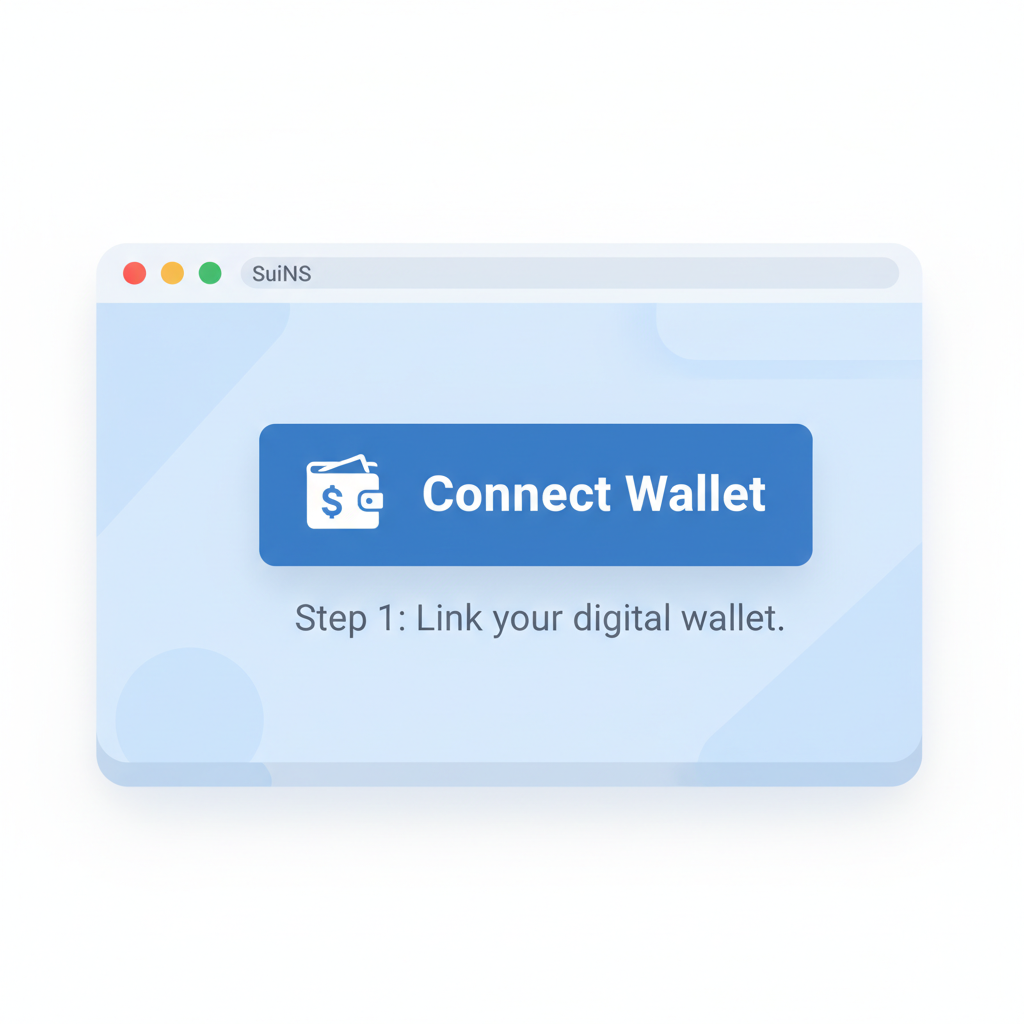
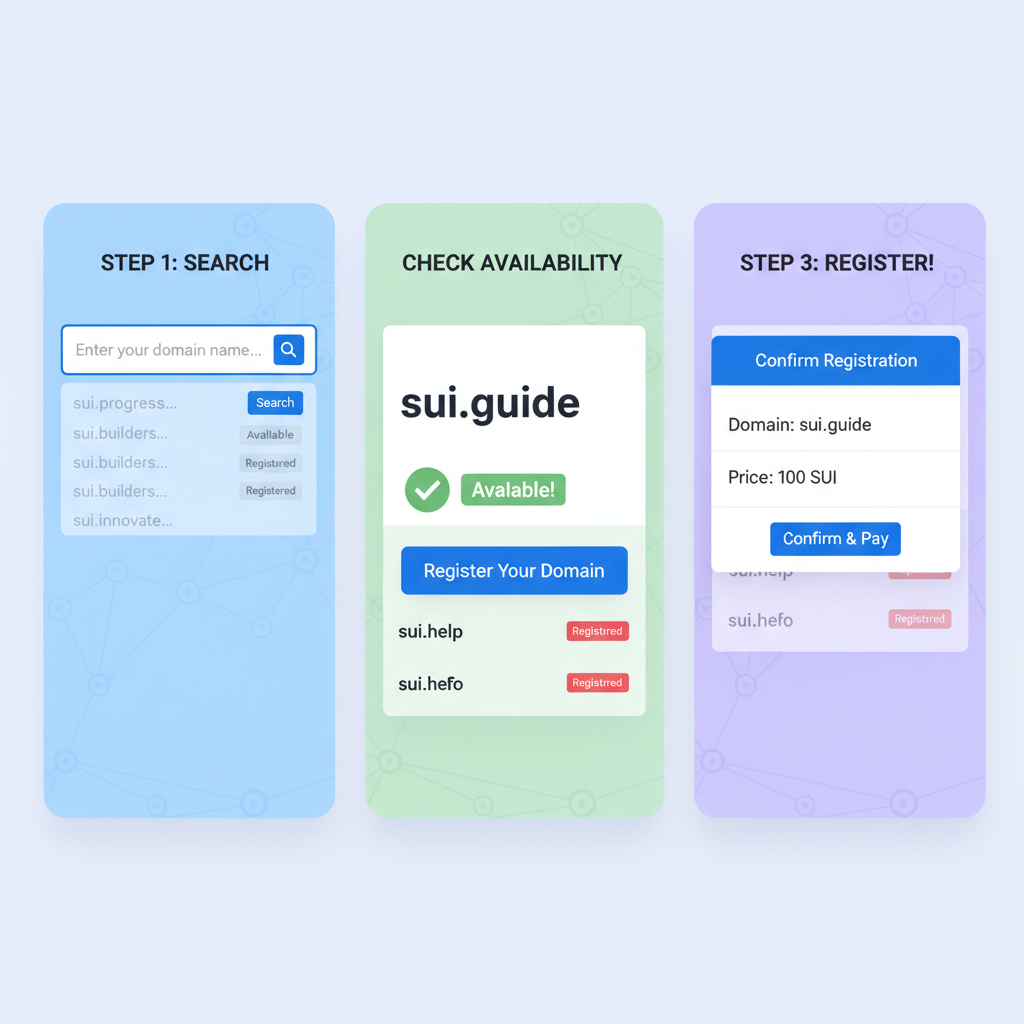
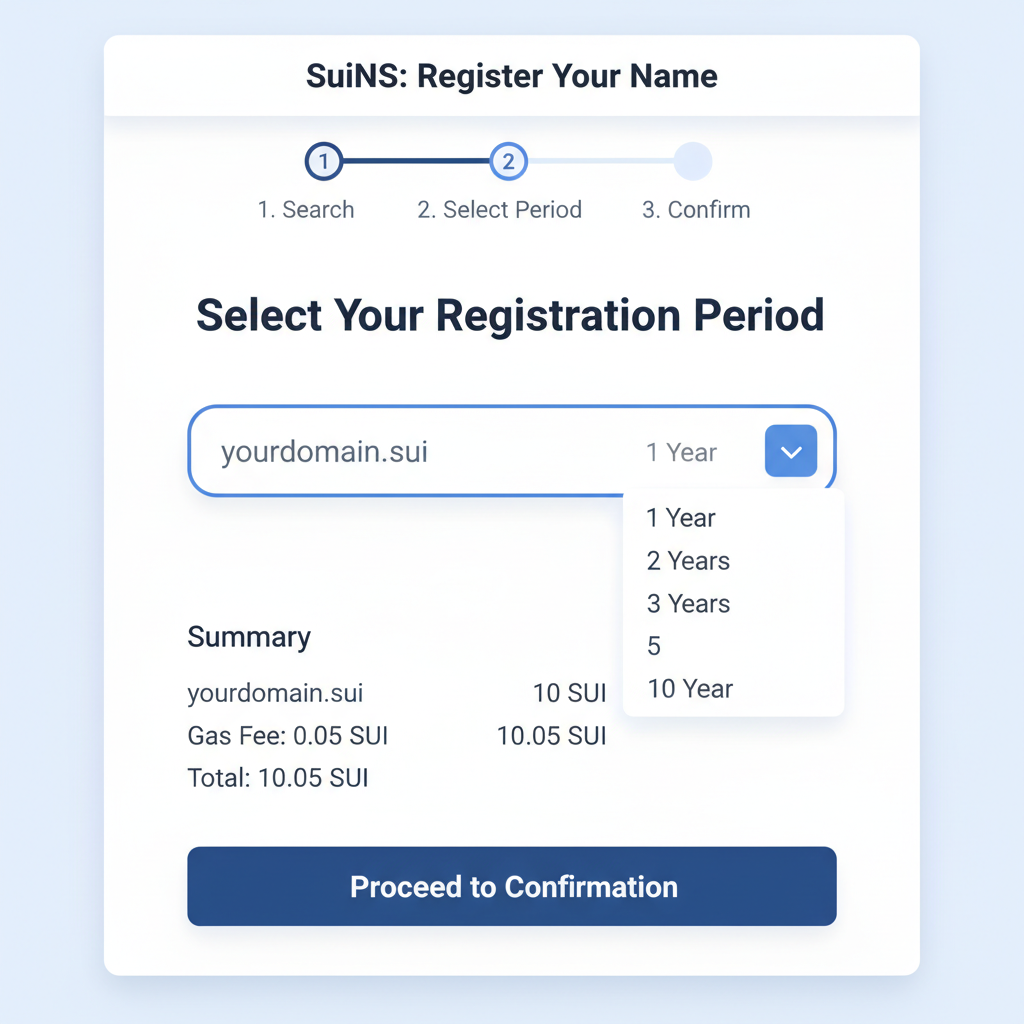
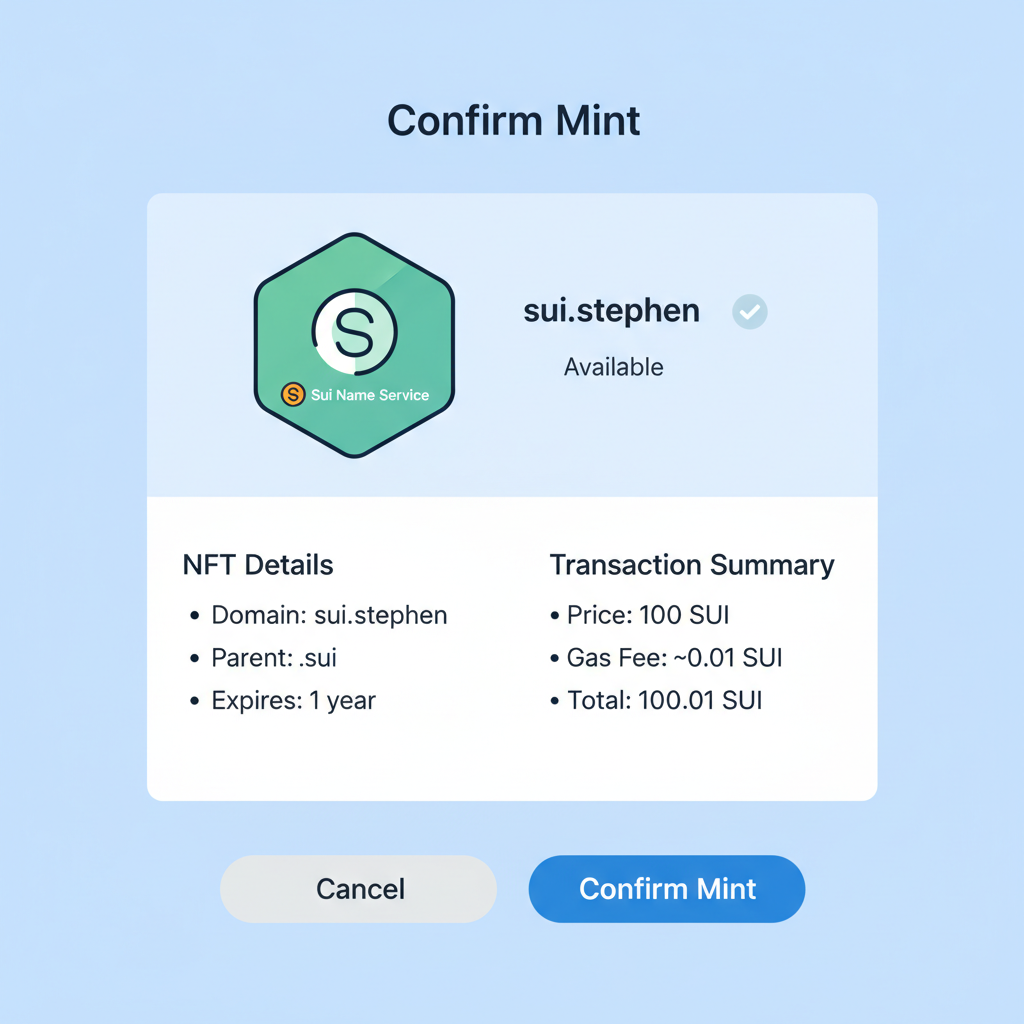
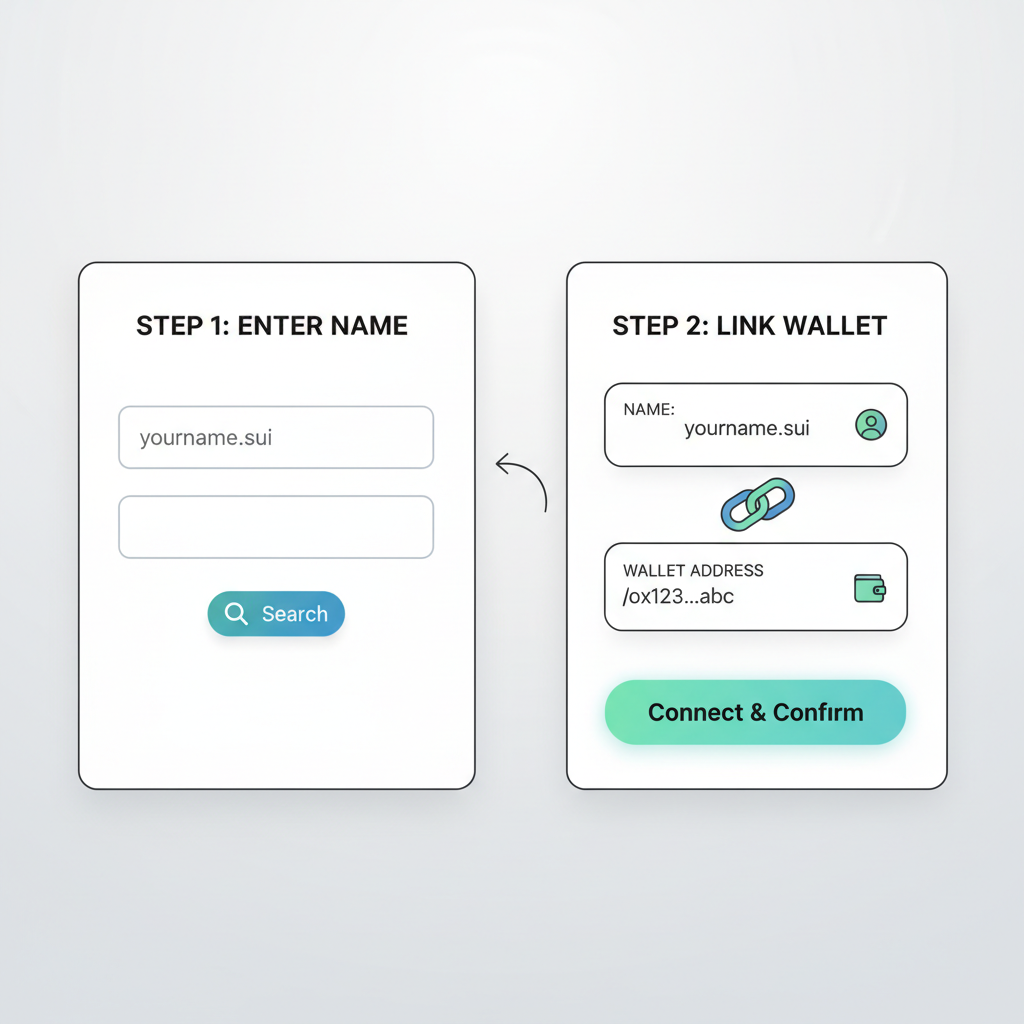
Once registered, your. sui name becomes a versatile asset. Renewals prevent lapses, while marketplaces facilitate trades, mirroring mature NFT ecosystems. Institutions like myself, focused on stablecoin yields, appreciate this predictability; object independence averts the cascading failures seen in account models during peak loads.
Advanced Use Cases: Subnames and Organizational Identities
Beyond individuals, SuiNS excels in hierarchical structures via subnames. A protocol under protocol. sui might spawn dev. sui or ops. sui, streamlining team coordination. This mirrors enterprise directory systems but decentralized, leveraging Sui’s parallel execution for instant updates. In my portfolio management lens, such features mitigate identity fragmentation risks, vital for scaling Sui ecosystem nameservice adoption.
Consider a DAO issuing member handles: each subname as a child object inherits parent governance yet stands alone. Developers scripting against these resolve queries with precision, fueling composable architectures. As SUI holds at $0.9536 after climbing from a 24-hour low of $0.9196, these capabilities position SuiNS as a stabilizing force amid ecosystem expansion.
Risks, Renewals, and Long-Term Value
Conservative strategies demand scrutiny of renewal mechanics. SuiNS names expire post-registration period unless extended, prompting proactive management. Yet, this incentivizes active use, curbing speculative hoarding. Trading on Sui marketplaces adds liquidity, with values tied to utility rather than hype. For risk-averse investors, the object model’s immutability safeguards against unauthorized changes, a stark improvement over mutable account aliases elsewhere.
Scalability remains paramount. Sui’s object-centric identity handles surging demand without congestion, processing registrations in parallel. This aligns with my mantra: stability in scalability. As Web3 matures, SuiNS. sui names will anchor trusted interactions, from DeFi yields to NFT provenance.
Forward-thinking builders recognize SuiNS as more than a vanity tool; it’s infrastructure for Sui object-centric identity. With SUI’s steady price of $0.9536 and and $0.0131 24-hour change ( and 0.0139%), the protocol exemplifies measured progress. Developers mastering SuiNS tutorials today secure tomorrow’s edge in the Sui ecosystem nameservice landscape.