
What object-centric architecture actually is
Object-centric architecture is a data model where the object itself is the primary unit of identity, ownership, and state. Unlike traditional data-centric systems that treat data as passive records in flat tables, or object-oriented code that bundles data with behavior in a single runtime environment, this approach treats objects as independent, addressable entities.
In a traditional relational database, you might have a "User" table and a "Transaction" table linked by a foreign key. To understand the relationship, you must perform a join. In an object-centric model, the transaction is the object. It carries its own unique identifier and immutable history. It doesn't just reference a user; it exists as a distinct entity that can be queried, transferred, or updated without needing to reconstruct the entire database schema.
This shift is critical for real-time governance and AI readiness. When every piece of data is a self-contained object, you can track its provenance, enforce access policies at the object level, and process it independently. This structure allows systems to scale horizontally and adapt to complex AI workflows that require granular, real-time data interaction rather than batch processing of static records.
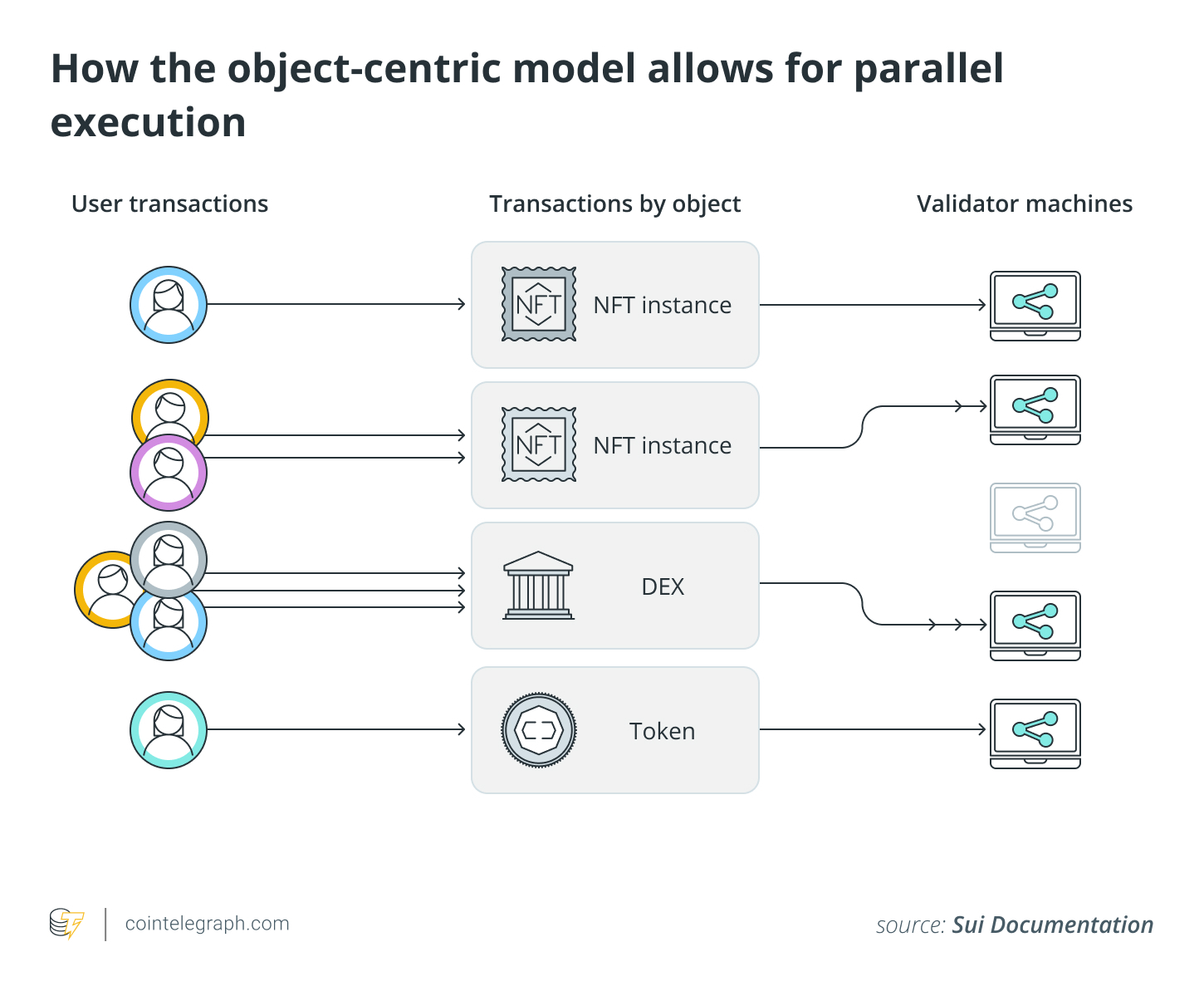
Real-time governance through object isolation
Traditional governance models often resemble a security guard checking every bag at the entrance of a stadium. When data is treated as a single, monolithic blob, any policy change requires re-scanning the entire dataset. This bulk processing creates latency, making real-time enforcement impractical for high-volume environments. Object-centric architecture changes the approach entirely by treating data as a collection of discrete, independent entities.
By isolating data into objects, governance becomes granular and immediate. You can apply, modify, or revoke policies on a single object without touching the rest of the dataset. This isolation means that a change in privacy regulation or a shift in access rights affects only the specific objects in question. The system processes these changes locally, ensuring that compliance is maintained instantaneously and efficiently.

This separation also simplifies the integration of AI models. When objects are disentangled, machine learning systems can focus on specific features without being distracted by irrelevant data points. Research indicates that this disentanglement reduces complex multi-object problems into manageable single-object tasks, leading to more accurate and faster inference. The result is a system that is not only compliant but also inherently optimized for intelligent processing.
Comparing architecture models for AI readiness
Use this section to make the Object-Centric Architecture decision easier to compare in real life, not just on paper. Start with the reader's actual constraint, then separate must-have requirements from details that are merely nice to have. A practical choice should survive normal use, maintenance, timing, and budget. If a recommendation only works in an ideal situation, call that out plainly and give the reader a fallback path.
| Factor | What to check | Why it matters |
|---|---|---|
| Fit | Match the option to the primary use case. | A good deal still fails if it does not fit the job. |
| Condition | Verify age, wear, and service history. | Hidden condition issues erase upfront savings. |
| Cost | Compare purchase price with likely upkeep. | The cheapest option is not always the lowest-cost option. |
Use cases driving 2026 adoption
Object-centric architecture is moving beyond theoretical models into active deployment across high-stakes industries. By treating entities as first-class citizens with distinct identities and lifecycles, organizations can achieve the causal representation and real-time governance required for complex AI systems. This section highlights three concrete applications where this architecture is solving immediate operational bottlenecks.

Top 3 deployment areas
-
Financial Asset Tracking
Banks and fintechs use object-centric models to track digital assets as discrete, programmable units. This allows for real-time auditing and immediate response to regulatory changes without rebuilding entire ledgers. -
Supply Chain Visibility
Manufacturers treat individual components as objects with their own state. This enables precise causal tracing of defects back to specific batches or suppliers, significantly reducing recall costs and improving quality control. -
AI Agent Memory
Developers are building persistent memory systems where each interaction or data point is an object. This structure allows AI agents to reason over historical context with greater accuracy and reduced latency.
These examples show a clear pattern: when objects carry their own governance rules and causal history, the system becomes more resilient. As 2026 approaches, we expect this approach to become the standard for any application requiring high-fidelity data integrity.
Implementation steps for data teams
Start Object-Centric Architecture with the constraint that matters most in real life: space, timing, budget, skill level, maintenance, or availability. That first constraint should shape the rest of the plan instead of appearing as an afterthought. Keep the first pass simple enough to verify. Compare the main options against the same criteria, remove choices that only work in ideal conditions, and save optional upgrades for later.

No comments yet. Be the first to share your thoughts!