
Why object-centric architecture matters in 2026
The shift from traditional relational models to object-centric paradigms is no longer just a theoretical exercise; it is a practical necessity for modern enterprise data systems. As we move through 2026, the limitations of row-based storage are becoming increasingly apparent in high-throughput environments. This architectural style treats data as discrete, self-contained objects rather than rows in a rigid table, allowing for more flexible and scalable data management.
Traditional relational databases often struggle with the complexity of modern applications that require frequent updates to related data points. By focusing on objects, systems can update specific pieces of information without locking down entire tables. This approach not only improves performance but also enhances the ability to model real-world entities more accurately. The relevance of this style is evident in the growing adoption of technologies like Sui, which leverage object-centric Move models to address security and scalability issues that plague older EVM-based systems.
For developers and architects, understanding this shift is critical. The books recommended in this guide provide the foundational knowledge needed to navigate this transition. They cover everything from basic principles to advanced implementation strategies, ensuring that you are equipped to build systems that are both robust and future-proof. As the industry continues to evolve, object-centric architecture will likely remain a central theme in discussions about data integrity and efficiency.
Top picks for learning object-centric design
Object-centric architecture moves beyond flat data structures by modeling systems as collections of distinct, interacting entities. This approach is essential for building scalable data meshes and dynamic object graphs. The books listed below provide the concrete foundations needed to implement these patterns effectively.
Architecture and Objects
This text bridges the gap between abstract architectural theory and the concrete reality of object-oriented implementation. It explores how objects serve as the primary unit of structure in complex systems. The book is particularly useful for architects who need to align their object models with broader enterprise goals.
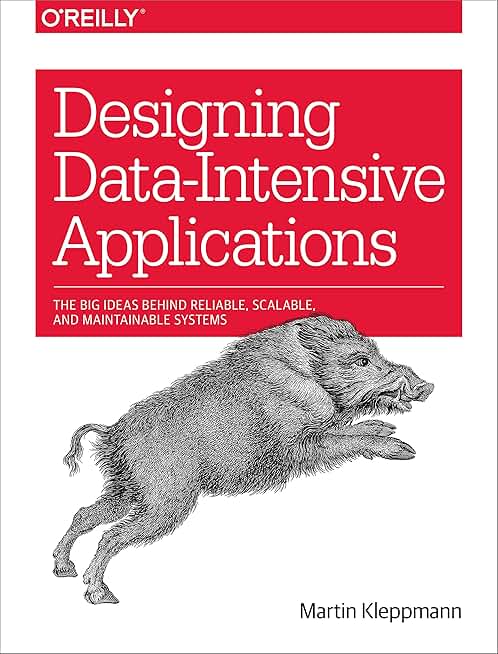
Designing Data-Intensive Applications
Martin Kleppmann’s work remains the definitive guide for understanding how data systems behave at scale. While not exclusively about object-centric design, it provides the necessary context for how objects interact with storage, messaging, and processing layers. It is a required read for any engineer working with distributed object graphs.
Domain-Driven Design
Eric Evans’ classic text defines the boundaries of bounded contexts, which are the natural containers for object-centric models. It teaches how to align software structure with business domains. This alignment is critical for maintaining the integrity of object graphs as systems grow in complexity.
Clean Architecture
Robert C. Martin’s framework emphasizes the separation of concerns between entities and use cases. It provides clear rules for how objects should depend on abstractions rather than details. This discipline ensures that object-centric designs remain flexible and testable over time.



As an Amazon Associate, we may earn from qualifying purchases.
Comparison of Key Texts
The following table compares the primary focus and difficulty level of each recommended book to help you choose the right starting point.
| Title | Primary Focus | Difficulty |
|---|---|---|
| Architecture and Objects | Object structure in enterprise | Intermediate |
| Designing Data-Intensive Applications | Data system scalability | Advanced |
| Domain-Driven Design | Bounded contexts and domain modeling | Intermediate |
| Clean Architecture | Dependency rules and separation | Beginner |
How object-centric models improve data mesh
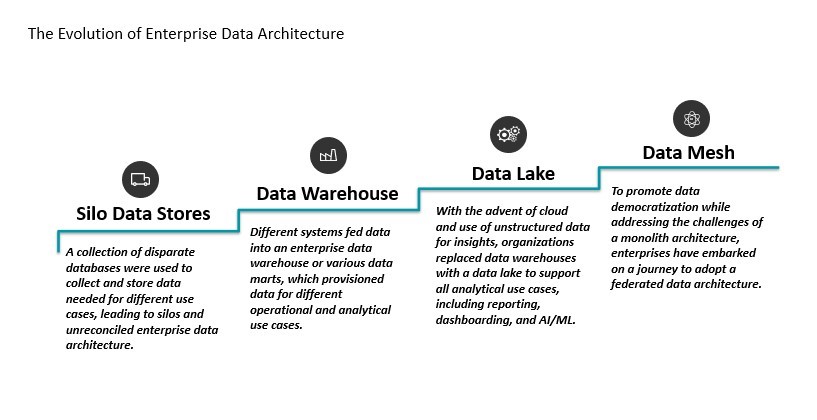
Data mesh relies on domain-oriented ownership, but traditional relational databases often force a central team to manage complex joins across those domains. This creates a bottleneck that slows down deployment and limits scalability. Object-centric architecture solves this by treating data as independent, self-contained units rather than rows in a shared table.
In an object-centric model, each entity—whether it is a user profile, a transaction record, or a product catalog item—carries its own schema and state. This aligns perfectly with data mesh principles because each domain team can own their objects without worrying about breaking foreign key constraints in another team's database. The result is a system where domains can evolve independently, reducing the coordination overhead that typically slows down large organizations.
This independence directly impacts scalability. Because objects are self-contained, they can be distributed across different nodes or regions without requiring complex transactional locks across the entire system. Real-time capabilities improve because updates to one object do not require rewriting or locking related tables. This is particularly evident in modern architectures like Sui, where the object-centric Move model allows for parallel processing of transactions that would otherwise be serialized in traditional EVM-based systems. As noted in community discussions, this architectural shift is critical for handling high-throughput scenarios where legacy models struggle with security and performance trade-offs.
For teams implementing data mesh, the shift to object-centric design means fewer integration points and clearer ownership boundaries. It transforms the data platform from a fragile web of dependencies into a robust network of autonomous services. This approach supports the real-time analytics and rapid iteration that modern data-driven businesses require, making it a natural fit for evolving data mesh strategies.
Choosing the right book for your stack
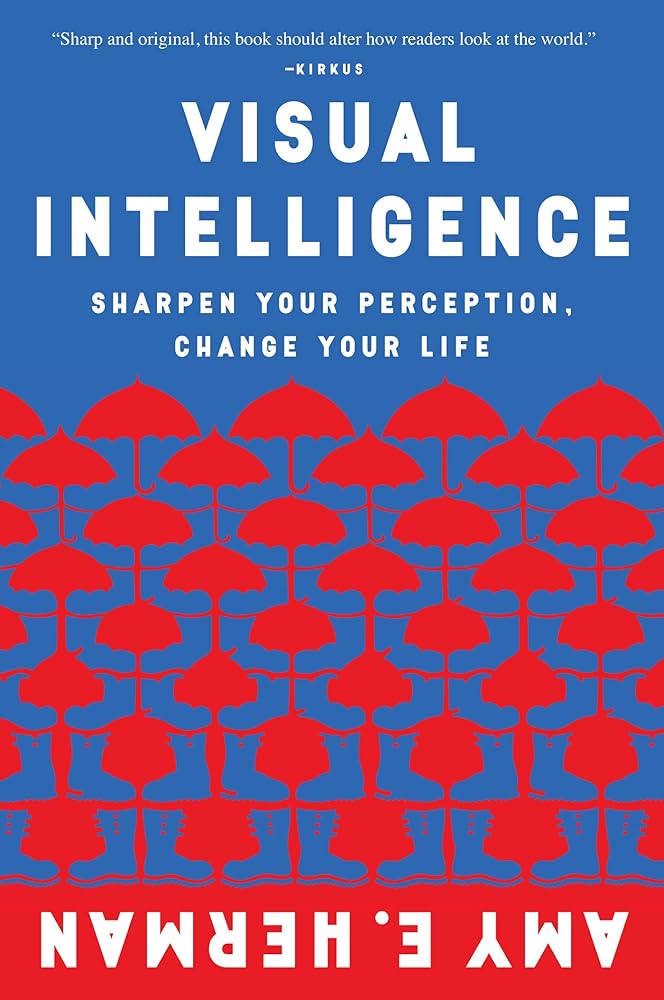
Selecting a book on object-centric architecture requires matching the content to your current technical stack and project goals. The field splits into two main paths: traditional computer vision for scene understanding and emerging neurosymbolic models for AI world models. Your choice should depend on whether you are building visual recognition systems or planning agents that need to reason about object dynamics.
For developers focused on standard visual recognition, start with resources that cover Slot Attention and variational autoencoders. These texts provide the foundational code and mathematical proofs needed to implement object-centric layers in PyTorch or TensorFlow. They are essential for anyone building visual agents that must segment scenes into discrete entities without explicit labeling.
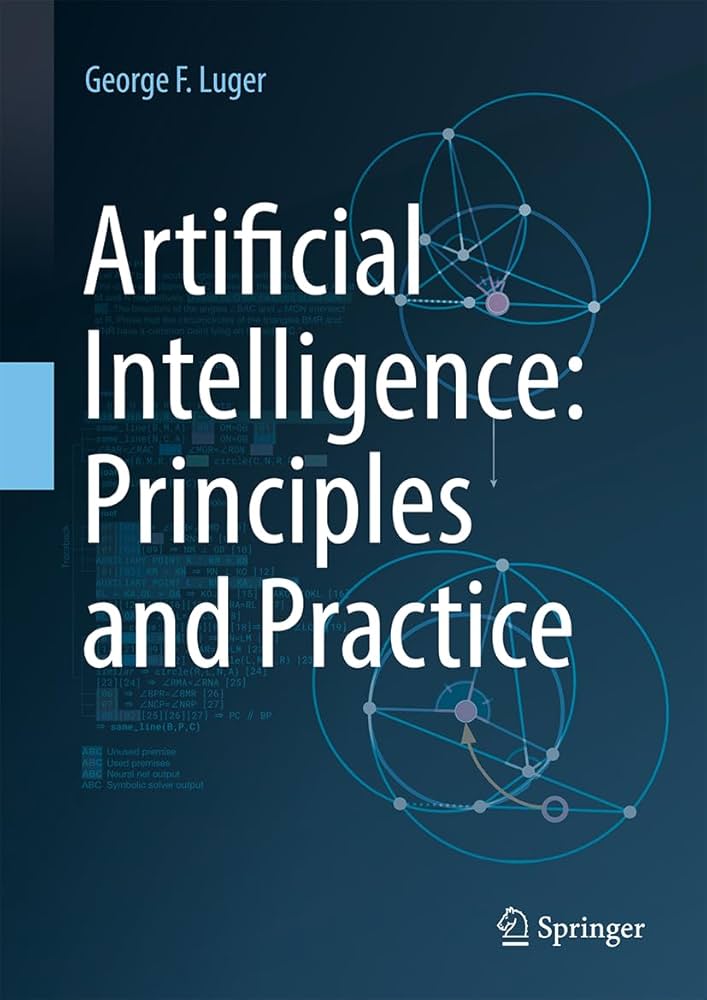
If your work involves AI world models or neurosymbolic logic, look for books that bridge deep learning with probabilistic reasoning. These resources explain how to couple perceptual modules with logical constraints, allowing agents to predict future states based on object interactions. This approach is critical for robotics and simulation environments where understanding causality matters more than raw pixel accuracy.

As an Amazon Associate, we may earn from qualifying purchases.
Avoid general deep learning textbooks if your goal is specifically object-centric modeling. While they cover broad neural network architectures, they often lack the specific techniques for disentangling objects from background noise. Similarly, pure logic programming books will not help you integrate these models into modern vision pipelines. Focus on texts that explicitly address the intersection of perception and structured reasoning.
Frequently asked questions about object-centric architecture
Is object-centric architecture only for blockchain?
No. While blockchain platforms like Sui use an object-centric data model to improve security and parallelism, the concept spans multiple fields. In computer vision, object-centric architectures help AI models understand scenes by identifying distinct entities rather than treating an image as a single block of pixels. This approach allows for more efficient causal representation and better reasoning about how objects interact.
How does it differ from traditional relational databases?
Traditional relational databases organize data into rigid tables with foreign keys linking rows. Object-centric architectures treat data as self-contained objects with their own identity and properties. This structure allows for more flexible data manipulation and is particularly useful in distributed systems where data needs to be moved or accessed independently without complex join operations.
What books cover object-centric design patterns?
This roundup focuses on books that explore object-centric design principles, whether in the context of blockchain protocols, AI model architecture, or general software design. Look for titles that discuss modular systems, slot attention mechanisms, or neurosymbolic learning, as these often employ object-centric methodologies to solve complex representation problems.
No comments yet. Be the first to share your thoughts!