
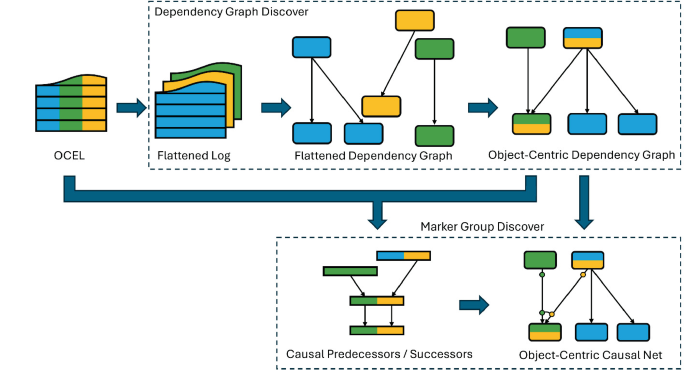
Why object-centric design matters now
The shift from monolithic to object-centric architecture represents a fundamental change in how we structure complex systems. Traditional state-based models, often likened to a single massive ledger, force every participant to process every transaction, creating a bottleneck that limits scale. Object-centric models, such as those powering Sui or modern microkernels, treat data as discrete, independent objects. This distinction is not merely academic; it dictates whether a system can handle global scale or remains tethered to legacy performance constraints.
In 2026, this architectural choice has become pivotal because the demand for parallel processing has outstripped the capabilities of sequential legacy systems. In an object-centric design, transactions that do not interact with the same objects can be processed simultaneously. This is akin to moving from a single-lane toll booth to a multi-lane highway where cars traveling to different destinations never interfere with one another. The result is a system that scales horizontally with efficiency rather than linearly with cost.
For developers, this means the architecture you choose today determines the ceiling for your application's growth. The books selected in this guide focus on this specific paradigm shift, offering concrete strategies for building systems that leverage object-centric principles rather than abstract theory. Understanding this shift is essential for anyone looking to build software that remains viable in a high-throughput digital landscape.
Top picks for blockchain object models
Object-centric architecture in blockchain represents a fundamental shift from account-based ledgers to programmable, discrete units of data. While this paradigm is most visible in modern Layer 1 networks like Sui, understanding the underlying principles requires looking beyond recent whitepapers to foundational texts on data modeling and system design. The following resources bridge the gap between traditional object-oriented theory and the specific constraints of distributed ledger technology.
Architecture and Objects
This text provides the necessary theoretical framework for understanding how discrete entities interact within complex systems. While not exclusively a blockchain textbook, its exploration of object persistence, identity, and lifecycle management directly parallels the requirements of object-centric blockchains. It helps developers conceptualize how assets on a chain like Sui are not merely balances but mutable, stateful entities with their own rules and dependencies.
Programming Sui
For developers ready to implement these concepts, practical guides on Sui are essential. This category of literature focuses on the Move programming language, which was designed specifically to support the object-centric model. These resources typically cover the creation of custom objects, the handling of shared versus owned objects, and the implementation of moveable assets. They are critical for understanding how the theoretical object model translates into secure, efficient smart contracts.
Object-Oriented Analysis and Design
To fully grasp the "object" part of object-centric architecture, revisiting classic OOAD principles is beneficial. This approach teaches rigorous analysis of domain objects, their relationships, and their behaviors. Applying these traditional software engineering practices to blockchain development ensures that on-chain objects are designed with clear boundaries and responsibilities, reducing vulnerabilities and improving the overall maintainability of decentralized applications.
Comparison of Recommended Resources
The table below summarizes the focus areas of these recommended texts to help you choose the right entry point for your learning path.
| Resource | Primary Focus | Difficulty |
|---|---|---|
| Architecture and Objects | Theoretical data modeling | Intermediate |
| Programming Sui | Move language and Sui SDK | Advanced |
| Object-Oriented Analysis and Design | Software design principles | Beginner |
Microkernel and Decoupled Systems
Microkernel architectures and decoupled front-end/back-end systems rely on the same object-centric principles: isolating core logic from peripheral services. By moving most operating system functions out of the kernel and into user-space servers, these systems reduce the attack surface and improve reliability. This approach mirrors the decoupling of presentation and business logic in web applications, where objects communicate through well-defined interfaces rather than shared memory.
The following resources explore the theoretical underpinnings and practical implementations of these architectures. They are essential for engineers building scalable, fault-tolerant systems that prioritize modularity.

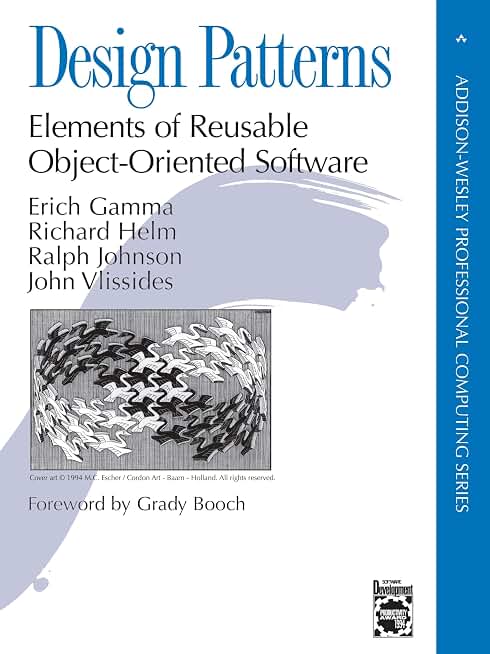

As an Amazon Associate, we may earn from qualifying purchases.
How to choose the right learning path
Selecting the correct resource for object-centric architecture requires aligning your current technical proficiency with the specific domain you intend to master. This paradigm spans two distinct fields: general computer science, where it aids in building modular, maintainable software systems, and blockchain development, where it underpins high-throughput ledgers like Sui. Treating these as interchangeable will lead to wasted effort. You must first determine whether your goal is to improve system design for traditional applications or to deploy smart contracts on an object-centric blockchain.
Assess your current knowledge level
Novice developers should begin with foundational texts on object-oriented design and modular architecture. Books that explain the core tenets of encapsulation, inheritance, and polymorphism provide the necessary vocabulary to understand why object-centric models outperform rigid relational structures in complex environments. If you are already comfortable with these concepts, you can bypass introductory theory and move directly to advanced architectural patterns that address distributed state management.
Define your domain focus
Your choice of book should mirror your professional objectives. For those focused on general systems, prioritize titles that discuss software engineering principles, domain-driven design, and code modularity. Conversely, if your interest lies in blockchain, you need resources that specifically address the Sui platform or similar object-centric Layer 1 networks. These texts will cover unique concepts such as programmable objects, parallel transaction processing, and the Move programming language, which are irrelevant to standard web development.
Verify practical applicability
A theoretical text is insufficient for mastering a rapidly evolving architecture. Look for books that include concrete code examples, case studies, or hands-on projects. In the context of blockchain, this means verifying that the resource provides actual smart contract implementations rather than just high-level overviews. For general software architecture, ensure the book demonstrates how to refactor legacy codebases into object-centric models, offering a clear path from theory to production-ready code.
Common questions about object-centric architecture
Readers frequently ask how object-centric architecture differs from traditional relational models and what technical background is required to implement it effectively. The following answers address the core prerequisites for understanding object-centric design, particularly within the context of modern blockchain systems like Sui.
Do I need to know blockchain to learn object-centric design?
Not necessarily. Object-centric design is a fundamental architectural pattern used in various domains, including process management and computer vision. However, the current surge in interest stems from blockchain applications. If you are studying object-centric architecture for distributed systems, you will encounter concepts like programmable objects and parallel processing. Familiarity with Rust or Move programming languages is highly beneficial, as these are the primary languages used in leading object-centric blockchains.
Is object-centric architecture difficult to model?
Modeling can be complex because it requires shifting from a row-based perspective to an object-based one. In traditional systems, data is often normalized across tables. In object-centric models, each object encapsulates its own state and behavior. This shift allows for greater parallelization but demands a rigorous approach to defining object boundaries and interactions. As noted in recent research, multi-perspective models are intrinsically difficult to analyze, requiring careful specification to avoid inconsistencies.
What are the best resources for 2026?
For a concrete understanding, we recommend starting with resources that bridge theory and implementation. Books and technical deep dives that focus on specific implementations, such as Sui, provide the most practical insights. Look for materials that explain how objects serve as the basic unit of data storage and how they enable efficient causal representation. Avoid overly abstract theoretical papers unless you are specifically researching academic frameworks.
No comments yet. Be the first to share your thoughts!