
Why object-centric architecture matters in 2026
Object-centric architecture represents a fundamental shift in how enterprises structure their digital infrastructure. Moving away from traditional service-oriented models that often fragment data and logic, this approach keeps data and behavior together in unified, self-contained objects. This shift is particularly critical for AI-driven enterprises in 2026, where the ability to manage complex, interconnected data entities in real-time is a competitive advantage.
In a service-oriented model, an object’s state is often scattered across multiple databases and services, requiring complex orchestration to maintain consistency. Object-centric architecture treats each entity—whether a customer, a product, or a transaction—as a first-class citizen with its own lifecycle and rules. This simplifies development and makes systems more resilient to change. For AI systems, this means cleaner, more accessible data structures that are easier to train on and integrate with.
The relevance of this architecture in 2026 is driven by the need for agility. As AI models become more sophisticated, they require data that is not only accurate but also contextually rich and immediately available. By centralizing data and behavior, object-centric systems provide the foundation for faster, more intelligent decision-making processes. This approach is already being adopted by leading platforms, such as Sui, which leverages an object-centric model to achieve global scale and efficiency.
By adopting object-centric architecture, enterprises can build systems that are not only more efficient but also more adaptable to the evolving demands of AI-driven business processes. This shift is not just a technical upgrade; it is a strategic imperative for staying competitive in the fast-paced landscape of 2026.
Top object-centric platforms compared
Selecting the right object-centric architecture depends on how you plan to scale and where you need AI integration. While many platforms claim object-orientation, only a few treat objects as the primary unit of data storage and computation. This comparison focuses on leading platforms that support true object-centric design, evaluating them on throughput, flexibility, and developer experience.
The table below breaks down the core capabilities of the most prominent platforms. We prioritize concrete metrics like parallel processing capability and native AI agent compatibility over marketing claims.
| Platform | Object Model | Throughput | AI Agent Compat | Best Use Case |
|---|---|---|---|---|
| Sui | Programmable Objects | High (Parallel) | Native Object References | Gaming & NFTs |
| Aleo | Circuits as Objects | Medium (ZK-optimized) | Privacy-Preserving AI | Private Data |
| Move-based Ecosystems | Acyclic Graph | Variable | Indirect via Oracles | Enterprise Assets |
Sui leads the charge with a programmable object model that allows for parallel execution. This means multiple objects can be updated simultaneously without blocking each other, a critical feature for high-frequency applications like gaming. Its design makes it particularly well-suited for NFTs, where each token is a distinct, manageable object.
Other platforms like Aleo take a different approach, treating circuits as objects to prioritize privacy. This is less about raw throughput and more about enabling AI agents to process sensitive data without exposing it. For enterprise use cases, Move-based ecosystems offer a robust acyclic graph structure, though they often rely on oracles for external AI integration.
Key features to evaluate in 2026
Selecting the right object-centric architecture tools requires looking past marketing buzzwords and focusing on how the software handles data independence. In 2026, the most effective platforms treat objects as first-class citizens, allowing them to exist, move, and change without forcing the entire system to halt. This approach mirrors how a physical library works: you can check out a single book without needing to reorganize the entire building.
When evaluating options, prioritize three technical pillars: dynamic object graphs, parallel processing capabilities, and AI-native data modeling. These features ensure your architecture can scale without becoming a tangled web of dependencies.
Dynamic Object Graphs
Dynamic object graphs allow data structures to evolve in real-time. Instead of rigid schemas that require downtime to update, these tools map relationships between entities as they happen. This flexibility is critical for complex systems where the connections between data points are just as important as the data itself. Look for platforms that visualize these graphs automatically, helping you spot bottlenecks before they impact performance.
Parallel Processing
Parallel processing is the engine that makes object-centric design viable at scale. By allowing multiple objects to be modified simultaneously without conflict, these tools dramatically reduce latency. For instance, blockchains like Sui use object-centric design to process transactions in parallel, rather than sequentially. When testing tools, verify that they offer true concurrent execution, not just simulated multitasking. This distinction determines whether your system can handle high-volume spikes or chokes under load.
AI-Native Data Modeling
AI-native data modeling moves beyond simple storage to intelligent structuring. These tools use machine learning to predict how data will be accessed and optimize the object layout accordingly. This reduces the need for manual database tuning and ensures that your architecture adapts to changing usage patterns. Evaluate how well the tool integrates with existing AI frameworks and whether it offers automated schema suggestions based on query patterns.
Best tools for enterprise object-centric design
Enterprise teams adopting object-centric architecture need a stack that handles high-throughput object identification, state management, and cross-system integration. The following tools represent the current standard for building, running, and managing object-centric systems in production.
Sui Network
Sui is a next-generation Layer 1 blockchain that implements an object-centric model at global scale. Its architecture treats every asset as a distinct object with its own unique identifier and state, enabling parallel transaction processing that traditional account-based chains cannot match. This makes Sui particularly well-suited for enterprise applications requiring high throughput, such as NFT marketplaces, gaming economies, and tokenized real-world assets. The object-centric design simplifies complex interactions by allowing developers to reason about individual objects rather than global account states.
Object-Relational Database Systems
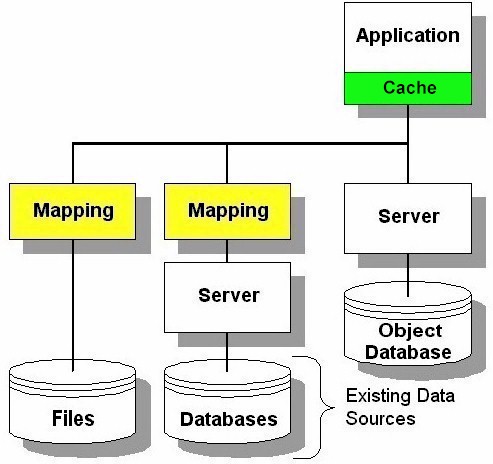
For traditional enterprise workloads, object-relational databases (ORDBMS) provide the bridge between relational data integrity and object-centric modeling. Platforms like PostgreSQL with PostGIS or Oracle Advanced Objects allow developers to store complex object types directly within the database schema. This approach reduces the impedance mismatch between application code and data storage, enabling more efficient handling of hierarchical and graph-like data structures without requiring a full migration to NoSQL systems. These tools are essential for enterprises with legacy data that must remain accessible while adopting new object-centric application layers.
Apache Kafka for Event-Driven Object Management
Object-centric architectures thrive on event-driven systems where object state changes are published as immutable events. Apache Kafka serves as the backbone for these systems, providing the durability and scale needed to track object lifecycles across distributed microservices. By treating objects as first-class citizens in the event stream, enterprises can build reactive systems that automatically update related objects, enforce consistency, and maintain a complete audit trail of all object interactions. This pattern is critical for supply chain management, financial trading, and IoT device monitoring.


As an Amazon Associate, we may earn from qualifying purchases.
How to choose the right object-centric solution
Selecting an object-centric architecture tool requires aligning technical capabilities with your team’s specific constraints. The right choice depends on three pillars: scalability requirements, AI integration readiness, and existing developer expertise. Evaluate each option against these criteria to ensure the tool supports your long-term roadmap.

Object-centric models excel in parallel processing because objects act as independent units of data. For high-throughput applications, prioritize platforms like Sui, which allow concurrent transaction processing without global state locks. This architecture is ideal for systems expecting heavy, simultaneous user activity.
Modern object-centric tools must support programmatic object manipulation to integrate with AI agents. Look for frameworks that expose clear APIs for defining, creating, and managing objects. This flexibility allows AI models to interact directly with assets, enabling autonomous decision-making and dynamic data handling.

The Move language, used in leading object-centric blockchains, offers strong safety guarantees but requires a learning curve. If your team lacks experience with Move or similar resource-oriented languages, consider the training time and potential hiring costs. Choose a tool that matches your current skill set or offers robust, accessible documentation for onboarding.


As an Amazon Associate, we may earn from qualifying purchases.
Frequently asked questions about object-centric architecture
How does object-centric architecture differ from microservices?
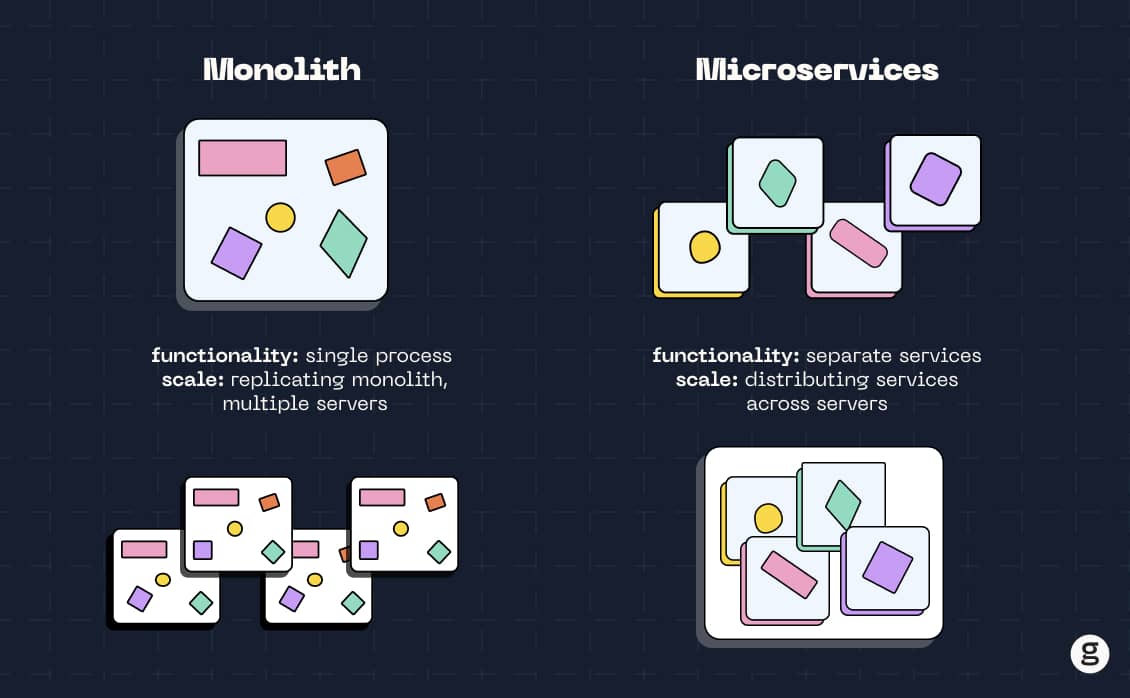
Traditional microservices organize systems around functional boundaries, often leading to complex data duplication. Object-centric architecture flips this by centering the system around specific entities—like a customer, order, or asset. Instead of stitching together disparate services, each object maintains its own state and lifecycle. This approach reduces coupling and makes it easier to track how individual items move through business processes.
Is object-centric architecture suitable for AI integration?
Yes, and it is becoming a standard for AI-driven enterprises. Because object-centric models keep data contextualized around real-world entities, they provide cleaner, structured inputs for AI agents. Large language models can reason more effectively about specific objects rather than parsing unstructured logs. This clarity allows AI to automate decision-making at the object level, such as flagging a specific shipment delay or updating a customer profile in real time.
Will enterprises adopt this model in 2026?
Adoption is accelerating, particularly in sectors managing complex physical or digital assets. Industries like logistics, manufacturing, and blockchain are leading the shift. For example, newer blockchain platforms like Sui use object-centric designs to handle high-volume transactions. Enterprises are choosing these tools to reduce latency and improve data accuracy, moving away from legacy relational databases that struggle with modern, dynamic workflows.
No comments yet. Be the first to share your thoughts!