
What defines object-centric architecture
Object-centric architecture represents a fundamental shift from monolithic silos to discrete, programmable data units. Instead of treating data as rows in rigid tables or blobs within a single container, this approach treats specific entities—like a user profile, a digital asset, or a transaction record—as first-class citizens with independent lifecycles.
In traditional relational databases, data is often normalized across multiple tables, requiring complex joins to reconstruct a single concept. Object-centric models eliminate this fragmentation. Each object contains its own state and logic, allowing developers to define, create, and manage these units programmatically. This modularity makes it easier to track changes, enforce permissions, and scale individual components without disrupting the entire system.
The Sui blockchain, for example, uses objects as its basic unit of data storage. By centering design around these discrete units, developers can manipulate assets with greater precision and efficiency. This shift is not just about storage; it is about rethinking how data moves through a system. When data units are self-contained, they can be transferred, updated, or archived independently, reducing overhead and improving overall system responsiveness.
This architectural choice enables more flexible and resilient applications. Whether you are building a blockchain dApp or a modern enterprise platform, treating data as modular objects allows for faster iteration and easier maintenance. The following tools are selected specifically for their ability to support this object-centric paradigm effectively.
Sui: The Object-Centric Blockchain for Parallel Scale
Sui has emerged as the leading platform for object-centric architecture in 2026, built from the ground up to handle high-throughput transactions without the bottlenecks of legacy blockchains. Unlike traditional chains that process transactions sequentially, Sui treats every digital asset as an independent object. This design allows the network to process multiple transactions in parallel, provided they do not involve the same object.
This approach transforms how developers build decentralized applications. Instead of waiting for a single global state to update, Sui’s Move programming language enables fine-grained access control. Each object carries its own permissions, meaning the network can verify and execute transactions much faster. This is particularly critical for gaming and NFT marketplaces, where user experience depends on near-instant finality.
Core Capabilities Driving 2026 Adoption
Sui’s architecture is not just a theoretical upgrade; it is a practical solution for scaling consumer-grade applications. The platform’s object-centric model allows for composability that feels native to Web2 developers. When an NFT is transferred or modified, only that specific object’s state changes, leaving the rest of the network unaffected. This isolation reduces congestion and keeps gas fees predictably low, even during peak usage.
The network’s performance metrics in 2026 reflect this efficiency. Sui consistently achieves thousands of transactions per second (TPS) with sub-second finality. This speed is not achieved through centralized validators but through a robust decentralized infrastructure that leverages parallel execution. For developers, this means they can build complex, interactive experiences—such as real-time gaming or high-frequency trading platforms—that were previously impossible on slower chains.
Platform Comparison: Sui vs. Traditional Layer 1s
Understanding Sui’s position requires comparing it to the sequential processing models of older Layer 1 blockchains. The table below highlights the architectural differences that make Sui suitable for object-centric use cases.
| Feature | Sui (Object-Centric) | Traditional Layer 1 |
|---|---|---|
| Execution Model | Parallel processing of independent objects | Sequential processing of global state |
| Transaction Finality | Sub-second | Seconds to minutes |
| Scalability Limit | Bottlenecked by object contention, not global throughput | Bottlenecked by global block size and time |
| Primary Use Case | Gaming, NFTs, high-frequency DeFi | Store of value, simple transfers |
The shift to object-centric design is not merely a technical adjustment; it is a fundamental rethinking of how digital ownership works on-chain. By decoupling the state of one asset from another, Sui creates a scalable foundation for the next generation of internet applications. As 2026 progresses, more developers are choosing Sui not because it is the newest chain, but because its architecture aligns with the demands of modern, interactive software.
For those evaluating platforms for 2026 implementation, Sui offers a clear path forward for projects that prioritize speed, composability, and user experience over the incremental improvements of legacy systems. Its object-centric model provides the necessary infrastructure to support mass adoption, making it a top choice for builders serious about scale.
Evaluation criteria for object-centric tools
Choosing the right platform requires looking past marketing language and focusing on technical capability. Object-centric architecture tools must handle complex data relationships without collapsing into rigid, monolithic structures. The following criteria form a practical checklist for assessing whether a tool can scale with your data demands.
Parallel Processing Capacity
Object-centric models often involve analyzing multiple independent entities simultaneously. The tool must support parallel processing to maintain performance as data volume grows. If a platform forces sequential processing, it will create bottlenecks that slow down real-time analytics. Look for architectures that allow concurrent analysis of distinct objects, ensuring that the system can handle high-throughput workloads without degradation.
Real-Time Integration
Static data is rarely useful in modern business environments. The best tools provide real-time integration capabilities, allowing objects to update and interact as events occur. This means the platform should support live data streams and immediate synchronization across different systems. Without this, you are left with delayed insights that may no longer be relevant by the time you review them. Verify that the tool can ingest and process data in near real-time.
Disentanglement and Clarity
A core challenge in this field is separating mixed signals from individual objects. Effective tools use weak supervision or sparse perturbations to disentangle object properties, as noted in recent research on object-centric architectures. This ensures that changes to one object do not incorrectly influence the representation of another. Check for documentation or case studies that demonstrate how the tool handles this disentanglement, as it is critical for accurate causal representation.
Compatibility with Existing Systems
No tool operates in a vacuum. Ensure the platform integrates smoothly with your current tech stack, whether that involves legacy databases or modern cloud services. Object-centric process management requires a flexible framework that can represent business processes without forcing them into rigid molds. Test the API capabilities and data export options before committing to a long-term contract.
Concrete Product Recommendations
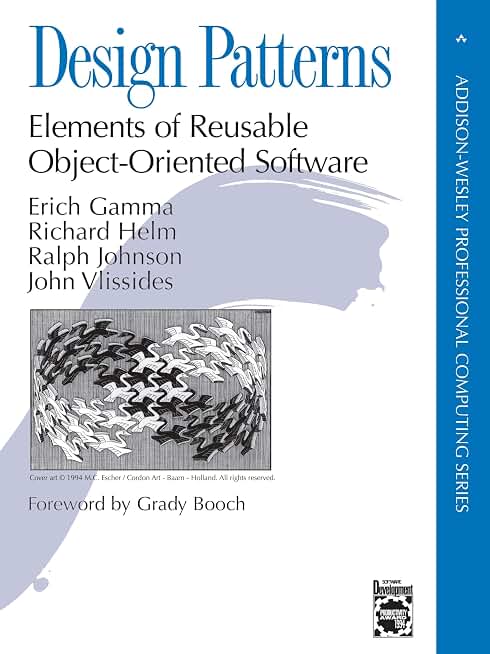
While the criteria above guide your evaluation, specific tools stand out for their implementation of these features. Below are some popular options available for purchase, though you should verify current compatibility and pricing directly with the vendor.

As an Amazon Associate, we may earn from qualifying purchases.
Best tools for specific use cases
Object-centric architecture shines where traditional relational databases struggle with complex relationships and high-throughput updates. While general-purpose databases handle standard CRUD operations well, they often bottleneck when managing millions of dynamic assets. Sui (SUI) has emerged as the leading tool for these specific scenarios, leveraging an object-centric model that treats every asset as an independent entity.
Gaming
In game development, assets change state constantly. Players equip items, craft new gear, and trade resources in real-time. Sui’s architecture allows these items to be processed in parallel, significantly reducing latency. Each in-game item is an object that can be updated without locking the entire database, ensuring smooth gameplay even during peak server loads. This makes Sui a strong candidate for blockchain-based games or any application requiring rapid, independent asset updates.
NFTs and Digital Collectibles
For non-fungible tokens, the object-centric approach offers distinct advantages. Unlike traditional blockchains that treat NFTs as entries in a ledger, Sui treats each NFT as a first-class object. This allows for easier composability, where one NFT can interact with another directly. Creators can build dynamic collectibles that evolve based on user interaction, a feature that is difficult to implement on legacy systems. The ability to update NFT metadata and attributes on-chain without minting new tokens adds significant utility for digital artists and brands.
Large-Scale Data Governance
Enterprise data governance requires strict control over access and lineage. Object-centric tools like Sui provide granular permissions at the object level, allowing organizations to define who can view or modify specific data points. This is critical for compliance-heavy industries where data privacy is paramount. By isolating data objects, companies can audit changes more effectively and ensure that sensitive information remains secure while still being accessible to authorized users.


As an Amazon Associate, we may earn from qualifying purchases.
Frequently Asked Questions About Object-Centric Architecture
What is the core difference between object-centric and account-based architecture?
Traditional blockchains like Bitcoin and Ethereum use an account-based model where transactions update a global state ledger. Object-centric architecture, pioneered by platforms like Sui, treats individual digital assets as independent "objects." These objects carry their own state and logic, allowing them to be transferred or modified without updating the entire network state. This shift enables true parallel processing, as unrelated objects can be processed simultaneously rather than sequentially.
Which tools support object-centric development best?
Currently, Sui is the primary production-ready platform built entirely around this architecture. The Sui SDK and its Move-based smart contract language are the standard tools for developers. Other platforms like Aptos also explore similar concepts but often retain hybrid models. For 2026, the Sui ecosystem offers the most mature tooling, including dedicated IDEs, debugging tools, and comprehensive documentation for building object-centric applications.
How does this architecture affect transaction speed and cost?
By processing independent objects in parallel, object-centric blockchains achieve significantly higher throughput. Transactions that would normally queue in a sequential blockchain can execute simultaneously if they touch different objects. This reduces network congestion and lowers fees during peak times. For users, this means faster confirmation times and more predictable costs, especially for high-frequency applications like gaming or real-time finance.
No comments yet. Be the first to share your thoughts!