
Seeing objects, not pixels
Traditional computing treats screens as grids of colored dots. Object-centric architecture changes the rules by teaching systems to recognize individual items within a scene. This shift moves us away from flat, pixel-based rendering toward a model where computers understand the physical properties of what they see.
In this new paradigm, a visual scene is decomposed into modular, object-level representations. Instead of processing a chaotic array of pixels, the system identifies distinct entities, their boundaries, and their relationships. This mirrors how human vision works, allowing for a more intuitive interaction with digital content.
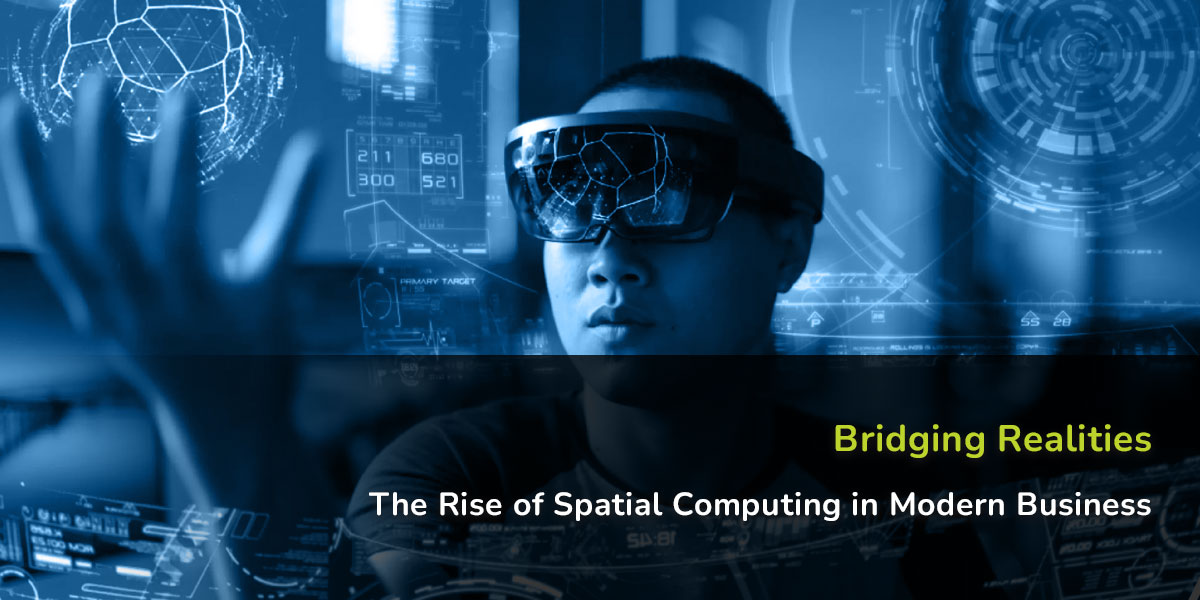
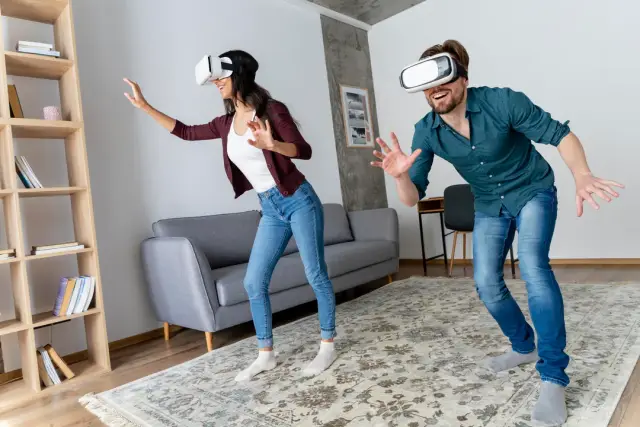
This approach is foundational for spatial computing. By understanding objects as separate, manipulatable entities, interfaces can blend digital elements with the physical world more naturally. Users can interact with 3D models, virtual assistants, and environmental data as if they were tangible parts of their space.
Core Principles of Object-Centric Architecture
Object-centric architecture moves beyond treating visual data as a flat grid of pixels. Instead, it structures information around distinct, identifiable entities. This approach mirrors how humans perceive the world: we see a cup, a hand, and a table, not just a collection of colored squares. By organizing digital environments around these discrete objects, spatial interfaces become more intuitive and computationally efficient.
Three foundational pillars make this possible:
Building the post-pc interface
Object-centric architecture shifts the developer’s focus from static screens to dynamic entities. Instead of managing pixels, you manage objects that retain their identity across different views and devices. This approach allows interfaces to adapt naturally, whether rendered on a wristwatch, a desktop monitor, or a spatial display.
The process involves three core stages: extracting objects from raw data, defining their relationships, and rendering them through a flexible UI layer. By treating these elements as first-class citizens, you ensure that the interface remains intuitive and responsive to user intent.
Begin by parsing input streams—whether text, video, or sensor data—to identify distinct entities. Use clustering algorithms or neural networks to isolate these objects from the background noise. The goal is to create a clean, structured set of items that can be tracked independently, reducing complexity in later stages.
Once isolated, assign properties and relationships to each object. Determine how they interact with other entities and the user. This step establishes the causal links that allow the interface to predict behavior and update states dynamically. For example, a "car" object might be linked to a "driver" object, updating both when either changes position.
Map the structured objects to visual components. Use a rendering engine that can reposition, resize, or transform these objects based on context. This layer handles the visual presentation, ensuring that the same object looks appropriate on a small mobile screen or a large augmented reality headset. The interface becomes a canvas for these entities rather than a fixed grid.
Verify that objects maintain their identity and relationships across different interaction modes. Check that the UI updates smoothly as objects move or change state. This step ensures that the post-PC interface feels cohesive, providing a seamless experience regardless of the device or input method used by the user.
By following this workflow, developers can create interfaces that feel less like static documents and more like living environments. The result is a system that scales effortlessly with the complexity of the data and the needs of the user.
Common Pitfalls in Spatial Design
Building an object-centric architecture requires more than just detecting shapes; it demands a coherent understanding of how those objects exist in space. When this foundation cracks, the entire interface feels disjointed. Designers often fall into traps that prioritize technical detection over user experience, leading to spatial confusion.
Over-segmenting the Scene
One of the most frequent errors is breaking a scene into too many small parts. If a coffee cup, its handle, and the steam are treated as separate entities, the user’s mental model fragments. This over-segmentation makes interactions sluggish and visually noisy. Keep object boundaries meaningful. Group related elements into single, coherent objects so the user can interact with the whole, not just the pieces.
Ignoring Occlusion and Depth
Objects rarely exist in isolation. A common mistake is treating every detected object as fully visible and independent. In reality, objects occlude each other, and depth cues are essential for understanding spatial relationships. If your architecture fails to account for what is behind what, the interface loses its three-dimensional integrity. Ensure your model respects depth layers and partial visibility.
Static Object Properties
Another pitfall is assuming objects have fixed properties. In a dynamic post-PC environment, objects change state, position, and even identity. If your architecture treats a chair as a static icon rather than a mutable object that can be moved or folded, the experience feels artificial. Design for fluidity, allowing objects to adapt to context and user action seamlessly.
The 2026 Horizon
By 2026, object-centric architecture will stop being a research concept and become the standard operating system for spatial computing. Instead of treating a scene as a flat grid of pixels, interfaces will recognize discrete entities—tables, chairs, people—and interact with them as individual objects. This shift moves us beyond the desktop metaphor into a world where digital content respects physical boundaries.
The technology relies on decomposing visual scenes into modular, object-level representations. This allows systems to understand that a coffee cup is separate from the table it sits on, enabling precise manipulation and contextual awareness. As these architectures mature, the friction between the physical and digital worlds will dissolve, creating interfaces that feel less like software and more like an extension of space itself.

No comments yet. Be the first to share your thoughts!