
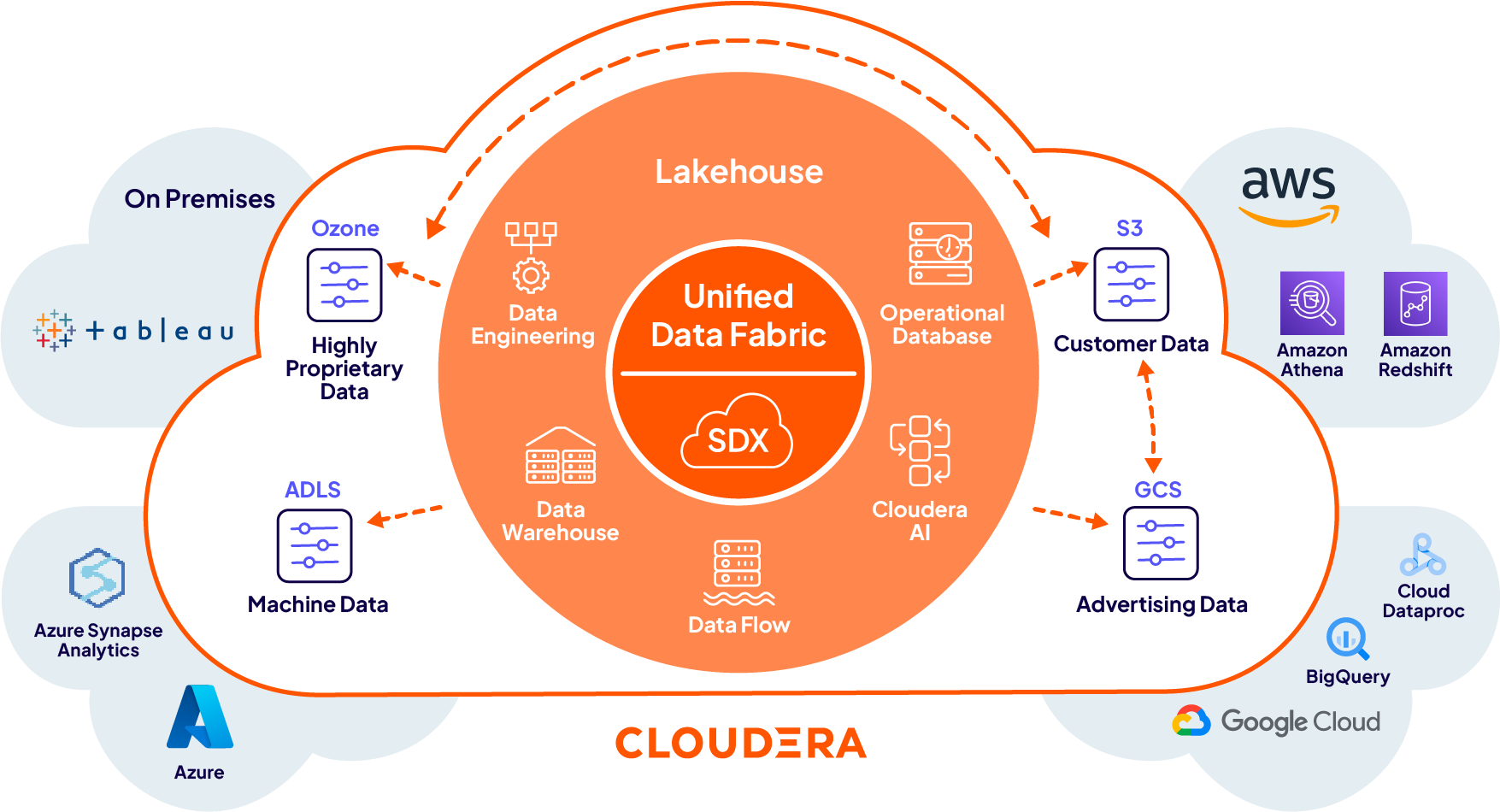
The shift from static data to active objects
For years, data architecture has relied on passive storage. Systems like data lakes and data meshes treat information as static records—rows in a database or blobs in a bucket. They sit there until a query reaches in and pulls them out. This model works for reporting, but it struggles when applications need real-time state changes or complex interactions between different pieces of data.
Object-centric architecture 2026 flips this model. Instead of storing data in isolated silos, this approach treats every piece of information as an active object. These objects carry their own identity, state, and behavior. Think of them not as files in a cabinet, but as individual agents that know how to update themselves and interact with other objects directly.
This shift is already visible in modern distributed systems. Platforms like Sui, for example, are built entirely around this object-centric data model. In these systems, objects are the primary unit of computation. They can be transferred, modified, or combined without requiring a central ledger to track every single change. This allows for parallel processing that was previously impossible with traditional relational databases.
By moving from passive storage to active objects, developers can build applications that are more modular and responsive. Data doesn't just sit there; it acts. This creates a foundation for more dynamic, real-time experiences where the boundary between data and logic becomes blurred.

Active objects vs data mesh: key differences
The shift from data mesh to object-centric architecture 2026 represents a move from passive storage to active execution. Traditional data mesh architectures treat data as static assets that require complex governance to access. In contrast, object-centric models embed logic directly within the data structures themselves, allowing for true autonomy and parallel processing.
In a data mesh, domains are responsible for their data products, but the underlying infrastructure often remains centralized or siloed. Accessing related data requires cross-domain queries, which introduces latency and coordination overhead. The object-centric approach dissolves these boundaries by treating every entity as an independent, self-contained unit that can interact with other objects without a central orchestrator.
This distinction is critical for high-throughput applications. By enabling objects to process their own state changes in parallel, systems can achieve significantly higher performance than those relying on sequential, centralized transaction processing. The following table outlines the structural and operational differences between these two paradigms.
| Feature | Data Mesh | Object-Centric |
|---|---|---|
| Core Unit | Data Products | Active Objects |
| Processing Model | Centralized/Orchestrated | Parallel/Decentralized |
| Data State | Passive Storage | Executable Logic |
| Governance | Domain-Driven | Protocol-Enforced |
| Latency | Higher (Cross-Domain) | Lower (Local Execution) |
The table above highlights how object-centric architecture 2026 redefines system design. Instead of querying a database to find information, applications interact with objects that already contain the necessary context and rules. This reduces the need for external coordination and allows for more responsive, scalable systems.
Real-world examples of object-centric design
The shift from data-mesh to object-centric architecture 2026 is no longer theoretical. Two distinct industries are already deploying this model to solve problems that flat tables simply cannot handle: blockchain security and complex enterprise process mapping.
Blockchain security on Sui
Sui uses an object-centric data model where every digital asset is a unique, addressable object with its own lifecycle. This approach allows for parallel processing of transactions, significantly increasing throughput compared to traditional account-based blockchains. More importantly, it provides a structural defense against the vulnerabilities that plague other networks.
As noted in recent discussions on blockchain security, the object-centric Move model is being viewed as the primary architectural fix for the frequent multi-million dollar hacks seen in EVM-based chains. By treating assets as discrete objects with strict ownership rules, Sui limits the blast radius of any potential exploit.
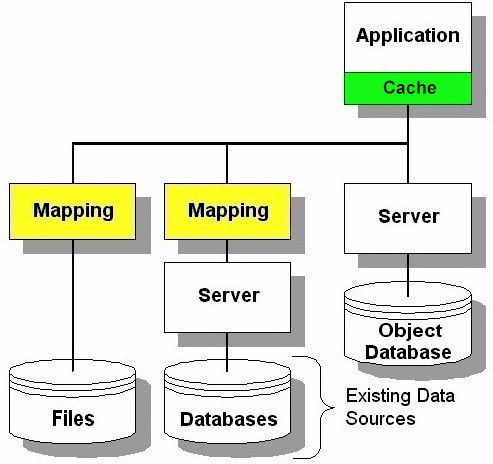
Enterprise process mining
In the enterprise sector, object-centric process mining is revealing bottlenecks that traditional methods miss. Standard process mining relies on event logs tied to a single case or order, which fails when multiple objects interact simultaneously. Object-centric models analyze the relationships between these objects, providing a complete view of complex workflows.
Microsoft Power Automate now supports this analysis, allowing organizations to visualize dependencies between different parts of their business processes. This capability is essential for 2026 architectures that must manage intricate, multi-object interactions without breaking down.
Key platforms adopting object-centric models
-
Sui Blockchain
Uses object-centric data model for parallel transaction processing and enhanced security against smart contract hacks. -
Power Automate
Supports object-centric process mining to analyze complex processes with multiple interacting objects and dependencies.
Why Object-Centric Architecture 2026 Gains Traction
The shift toward object-centric architecture 2026 is driven by two urgent needs: stopping massive security breaches and handling global transaction volumes. Traditional blockchain models treat accounts like shared bank statements where every user touches the same data. This creates a bottleneck and a single point of failure. Object-centric models change this by treating digital assets as individual, isolated units.
Security Through Isolation
In an EVM-style system, a vulnerability in one smart contract can expose all assets tied to that contract. Hackers exploit these shared states, leading to the $100M+ losses still reported in 2026. Object-centric architecture prevents this by isolating each object. If a contract interacting with one object is compromised, the attacker cannot access other objects or accounts. It is like moving from a shared office with one key to individual safes with unique locks.
Scalability via Parallel Processing
Security is only half the battle. Scalability suffers in traditional models because transactions must be processed sequentially to prevent data conflicts. When two users try to update the same account at the same time, one must wait. Object-centric architecture allows parallel processing because objects are independent. As long as two transactions involve different objects, they can be executed simultaneously. This dramatically increases throughput and reduces latency.
This combination of isolation and parallelism makes object-centric architecture 2026 the preferred choice for high-performance decentralized applications. It solves the trilemma by providing both robust security and the speed required for mass adoption.
Choosing the right model for your stack
Object-centric architecture 2026 is not a universal replacement for traditional data mesh. It shines when you need parallel transaction processing and granular asset ownership, such as in gaming or complex DeFi protocols. Traditional relational models still hold the advantage for simple, linear ledger operations where strict ACID compliance is the primary concern.
If your application requires high throughput with independent state updates, Sui's object-centric design offers a significant performance edge over monolithic blockchains. However, for standard enterprise resource planning or simple token transfers, the added complexity of managing object lifecycles may outweigh the benefits. Evaluate your concurrency needs first; if your data entities rarely interact, a mesh or relational database remains the pragmatic choice.
No comments yet. Be the first to share your thoughts!