
What object-centric architecture 2026 means
Object-centric architecture shifts the foundation of scalable AI from linear data streams to interconnected entities. Instead of treating information as a sequence of tokens, this model organizes data around distinct objects that carry their own state, history, and relationships. This approach mirrors how humans perceive the world—through discrete items and their interactions rather than abstract, unstructured text.
Traditional token-centric models often struggle with context loss and scalability bottlenecks as data volume grows. By anchoring processing to specific objects, systems can parallelize tasks more effectively. Each object can be processed, updated, or queried independently, reducing the computational overhead required to maintain global consistency. This structural change allows AI systems to handle complex, real-time data environments with greater precision and speed.
In 2026, this architecture becomes the standard for applications requiring high throughput and low latency. Whether managing financial transactions, processing video analytics, or coordinating autonomous agents, the object-centric model provides a robust framework for managing complexity. It transforms AI from a passive analyzer into an active participant in a dynamic, object-driven ecosystem.
Key features of the 2026 object model
The 2026 object-centric architecture moves beyond simple data storage to treat every digital asset as a first-class citizen. This shift allows high-scale applications to manage complexity without sacrificing speed. By defining clear boundaries around data and behavior, developers can build systems that scale horizontally with ease.
The model relies on three technical pillars: typed objects, dynamic schemas, and parallel processing. Together, these features ensure that applications remain responsive even as user bases and data volumes explode.
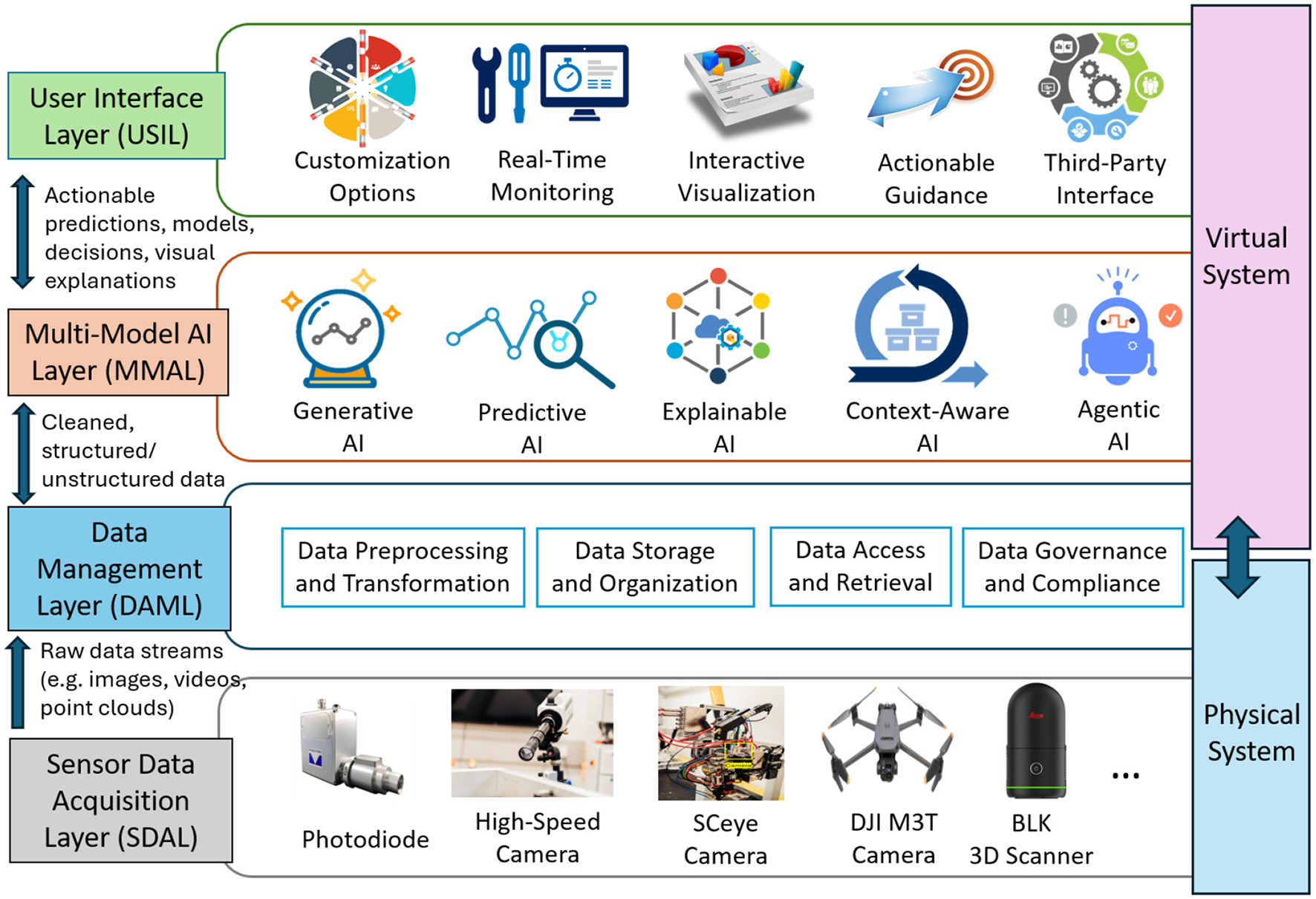
Core Technical Pillars
-
Typed Objects
Every entity carries a strict type definition, ensuring consistency across the network and preventing runtime errors caused by malformed data. -
Dynamic Schemas
Schemas evolve without breaking existing records, allowing applications to adapt to new requirements without costly migrations or downtime. -
Parallel Processing
Independent objects can be processed simultaneously, unlocking linear scalability for high-throughput workloads like gaming or real-time trading.
This structure eliminates the bottlenecks of traditional relational models. Instead of locking entire tables for updates, the system locks only the specific objects being modified. This granularity is what makes the 2026 object model viable for global-scale applications.
Powering Real-Time Data Modeling
Object-centric architecture shifts the focus from static rows to dynamic entities, a change that fundamentally lowers latency for real-time applications. Instead of joining large, fragmented tables to reconstruct a user’s current state, the system queries the object directly. This granularity means the application retrieves only the specific data it needs, reducing network overhead and processing time.
Consider a live inventory system. In a traditional relational model, updating a product’s stock level requires locking rows, updating multiple related tables, and handling complex transactions. With an object-centric approach, the product is a single, self-contained unit. Updating its state is a direct write operation, allowing the system to reflect changes immediately across distributed nodes without waiting for batch processes.
This immediate state update capability is critical for high-frequency trading, interactive gaming, and collaborative tools where milliseconds matter. By treating data as active objects rather than passive records, the architecture supports concurrent updates with minimal conflict resolution. The result is a system that scales horizontally while maintaining the responsiveness users expect.
The efficiency gain becomes even more apparent in complex workflows. Object-centric process mining reveals dependencies and bottlenecks that traditional methods miss because it tracks multiple interacting objects simultaneously. This visibility allows developers to optimize data flows in real time, ensuring that the system remains responsive even as data volume grows. The architecture doesn't just store data; it orchestrates it for speed.
Security advantages over legacy systems
Traditional blockchain architectures, particularly those based on the Ethereum Virtual Machine (EVM), rely on global state accounts. This design creates a massive, interconnected attack surface where a single vulnerability in a smart contract can expose the entire ecosystem. In these legacy systems, assets are often represented as balances within a shared ledger, meaning a flaw in one protocol can be exploited to drain funds from unrelated projects or users.
Object-centric architecture, as pioneered by networks like Sui, fundamentally changes this dynamic by treating every asset as a distinct, isolated object. Instead of a global account balance, each item—whether a token, a piece of digital art, or a game item—has its own unique identity and state. This isolation means that a bug in one object does not compromise others. If a malicious actor finds a vulnerability in a specific game item contract, they cannot use that exploit to touch your NFT collection or your stablecoin holdings.
This architectural shift directly addresses the root cause of many multi-million dollar hacks seen in 2026. By decoupling assets, object-centric models ensure that security breaches remain contained. A compromised object does not grant access to the broader network, effectively neutralizing the "domino effect" that has historically plagued EVM-based chains. This isolation is not just a feature; it is the primary defense against the systemic risks inherent in legacy designs.
The result is a system where security is modular. Developers can audit and secure individual objects without worrying about unintended interactions with the global state. This approach significantly reduces the likelihood of catastrophic exploits, making object-centric networks inherently more resilient to the sophisticated hacking techniques that continue to target traditional EVM ecosystems.
AI-Native Infrastructure Integration
Traditional data warehouses struggle to keep pace with AI agents that need context, not just raw numbers. Object-centric architecture treats data as distinct, meaningful entities rather than flat rows in a spreadsheet. This shift aligns perfectly with how modern machine learning models process information, allowing AI to understand relationships between objects without complex pre-processing.
When an AI agent queries a database, it expects structured, contextual data that mirrors real-world interactions. Object-centric structures provide this by embedding metadata and relationships directly into the data object itself. This reduces the latency associated with joining disparate tables and enables models to make decisions based on complete, self-contained information.
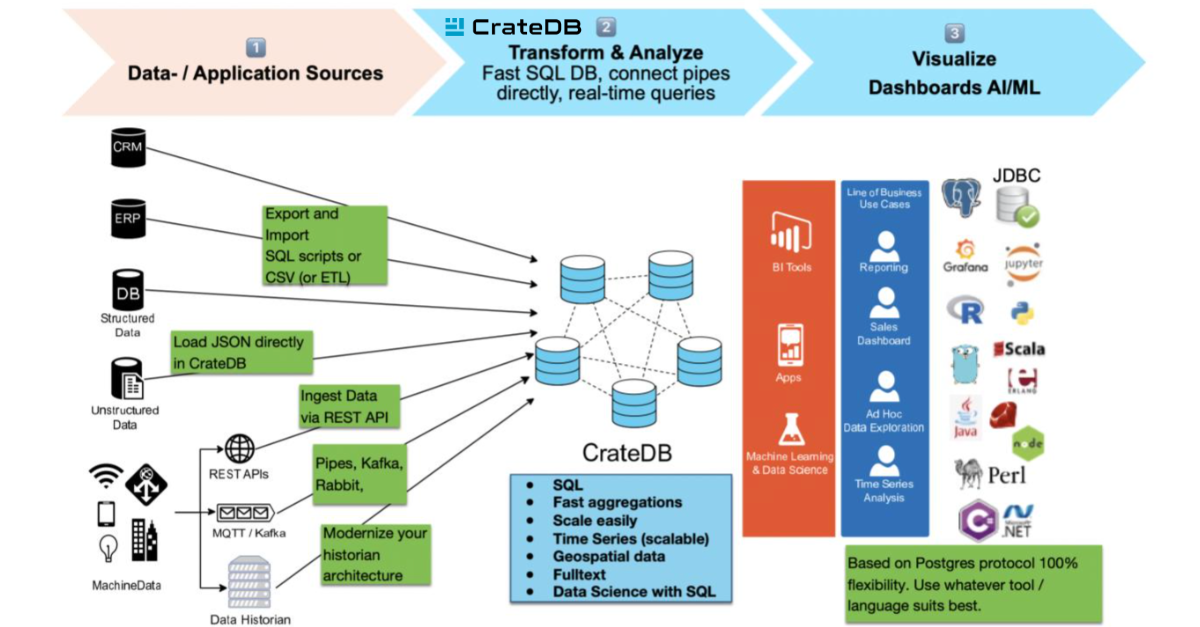
Recent research into object-centric vision and segmentation highlights how models perform better when they can isolate and analyze specific objects within a larger dataset. By adopting this architecture, infrastructure becomes inherently compatible with zero-shot segmentation and multimodal synchronization, reducing the friction between storage and inference.
This integration means AI systems can operate in real-time with greater accuracy. Instead of reconstructing context from scattered data points, agents interact with objects that already carry their necessary context, leading to faster, more reliable AI-driven outcomes.
Real-world use cases in 2026
The shift to object-centric architecture is moving beyond theoretical benchmarks into active deployment across industries that require high-velocity, independent data handling. By treating entities as first-class citizens rather than rows in a table, systems can process parallel events without the bottlenecks of traditional relational locking. This section highlights three concrete applications where this architecture is defining 2026 standards.
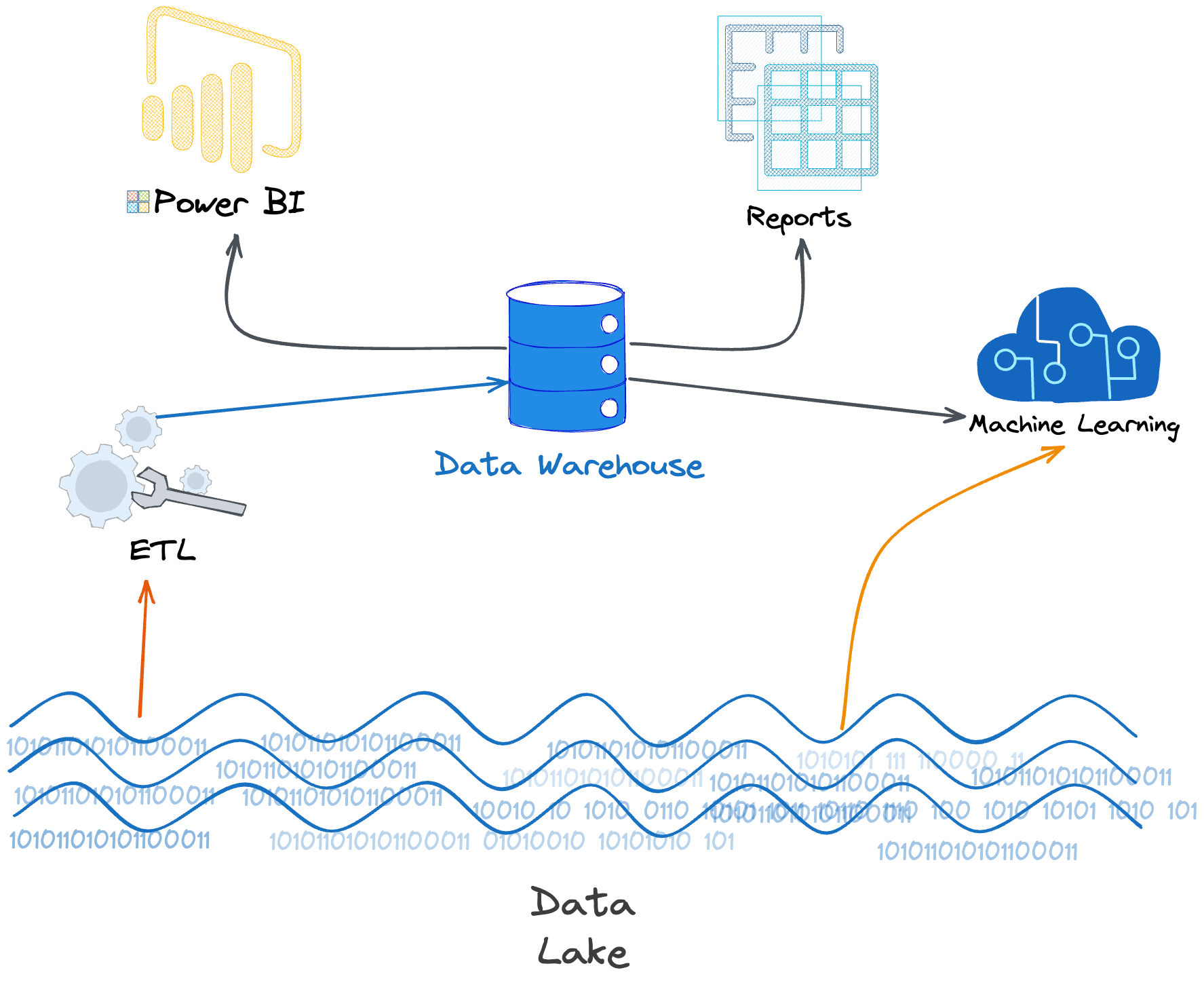
Top 3 real-world use cases
-

Sui Blockchain Infrastructure
Sui operates as a Layer 1 blockchain built entirely on an object-centric model. This design allows for parallel transaction processing, enabling global-scale throughput that traditional blockchains struggle to match. The architecture treats every digital asset as an independent object, unlocking unprecedented scalability for decentralized applications. -
Object-Centric Process Mining
Microsoft Power Automate and similar enterprise tools now leverage object-centric process mining to analyze complex workflows. Unlike traditional methods that force data into linear sequences, this approach maps multiple interacting objects simultaneously. It reveals hidden dependencies and bottlenecks in manufacturing and logistics that linear models miss. -
Real-Time AI Data Lakes
Modern data lakes are adopting object-centric schemas to support real-time AI inference. By indexing data by object identity rather than table joins, AI models can access relevant context instantly. This reduces latency in recommendation engines and fraud detection systems, making object-centric architecture the standard for scalable AI.
No comments yet. Be the first to share your thoughts!